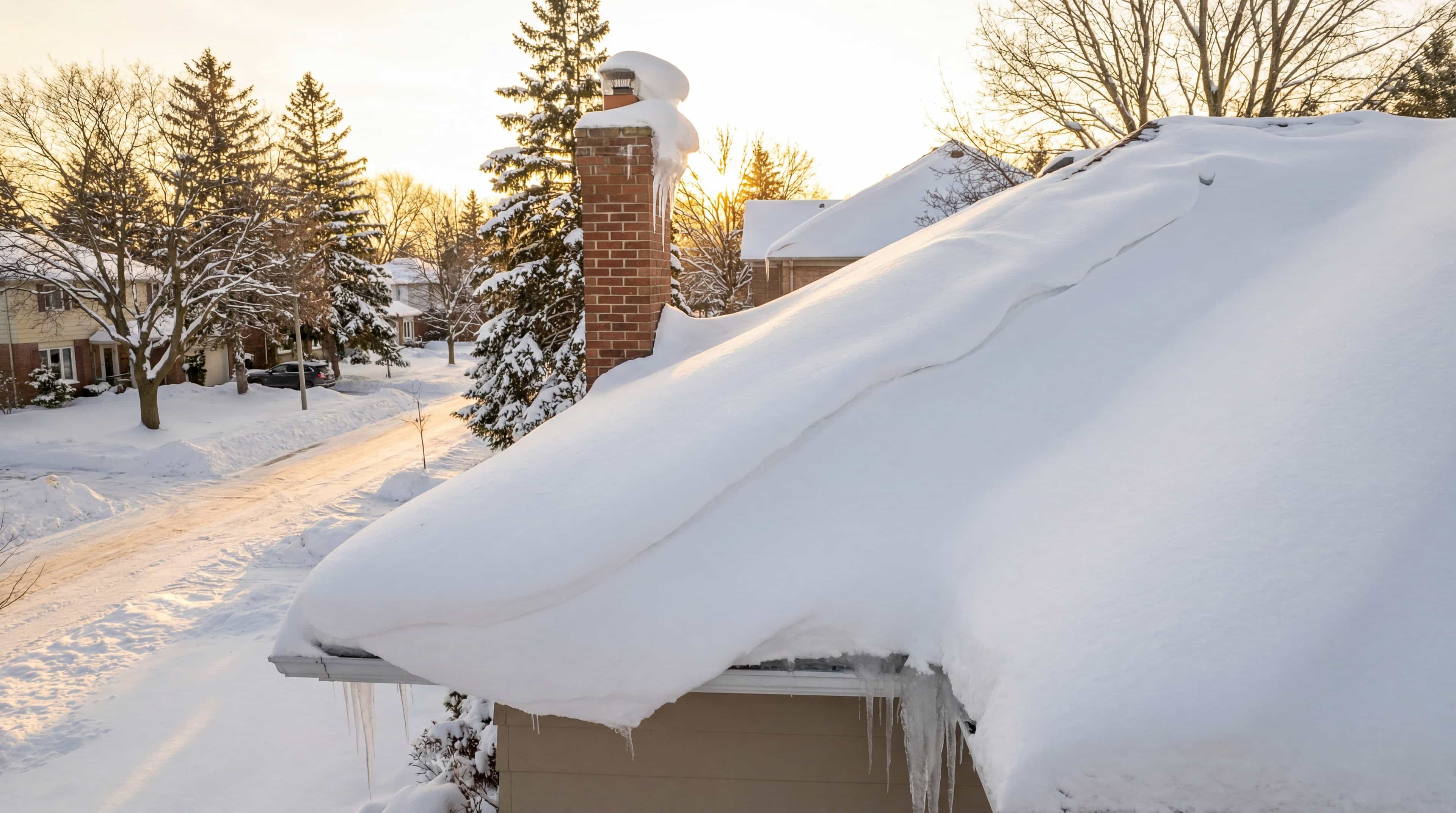
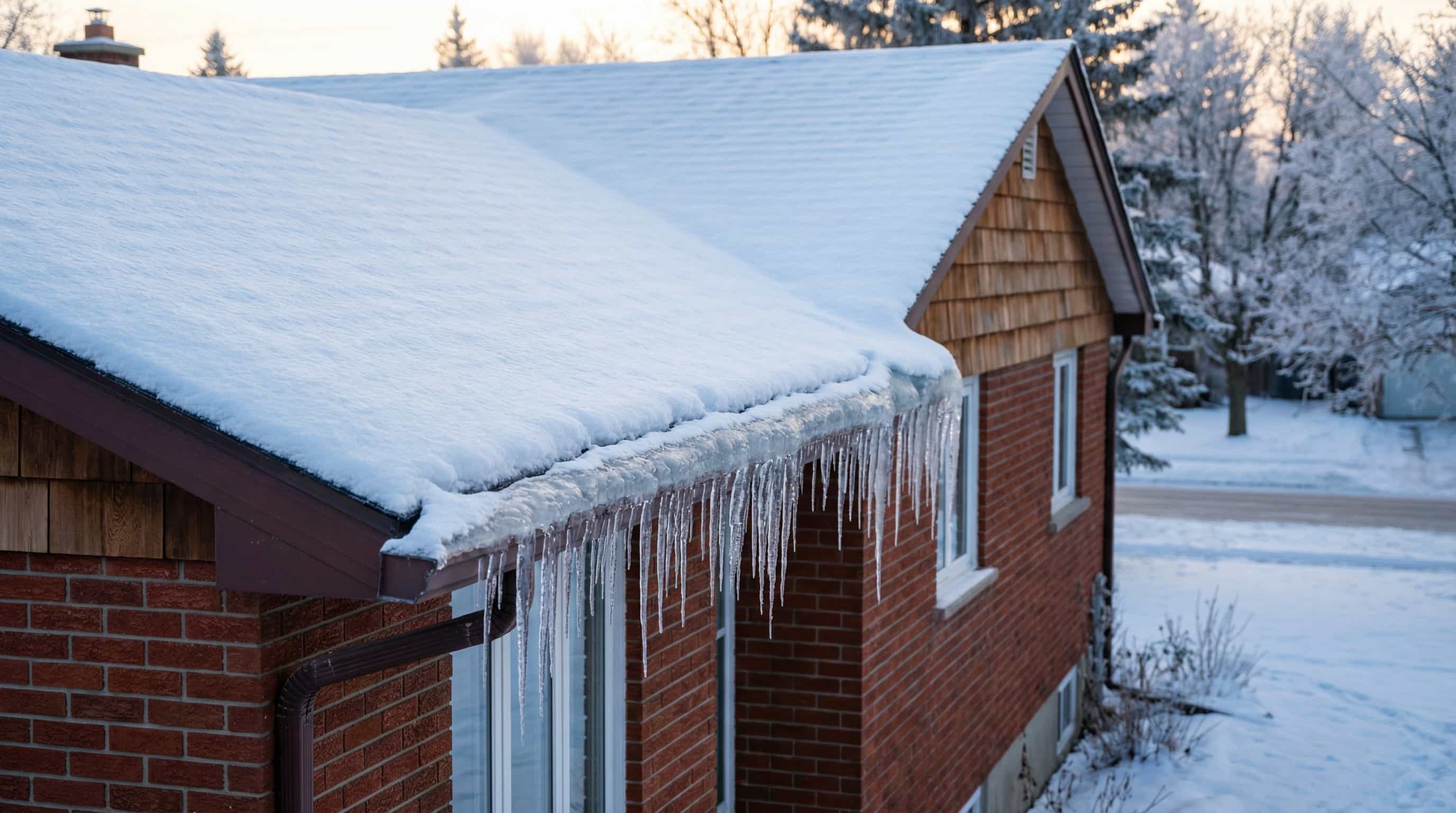
If you own a home in a cold Canadian climate, your attic is quietly doing year-round work. In summer, it’s a heat buffer. In winter, it becomes a boundary layer between a warm, humid interior and a roof deck that’s often below freezing. When that boundary layer is poorly managed, you get the classic cold-climate problems: ice dams, attic frost, damp insulation, and that slow-creeping “why does the upstairs feel drafty and expensive to heat?” feeling.
Attic ventilation is often talked about like a single feature—“Do I have enough vents?”—but that framing misses what actually matters. In winter, the performance goal is simple: keep heat and moisture from the house out of the attic, and keep the roof deck uniformly cold so snow doesn’t melt unevenly and refreeze at the eaves. Ventilation helps with the second part, and it helps manage residual moisture, but it’s not a substitute for the first part.
This guide is written for homeowners who want practical, cold-climate-specific guidance. You’ll learn what attic ventilation actually does in winter, how ice dams form, how insulation and ventilation must work together (without blocking airflow), and how to assess and improve your setup using a step-by-step approach.
You do not need to be a building scientist to get this right. But you do need a system mindset: diagnose first, fix in the right order, and focus on the few details that drive most outcomes.