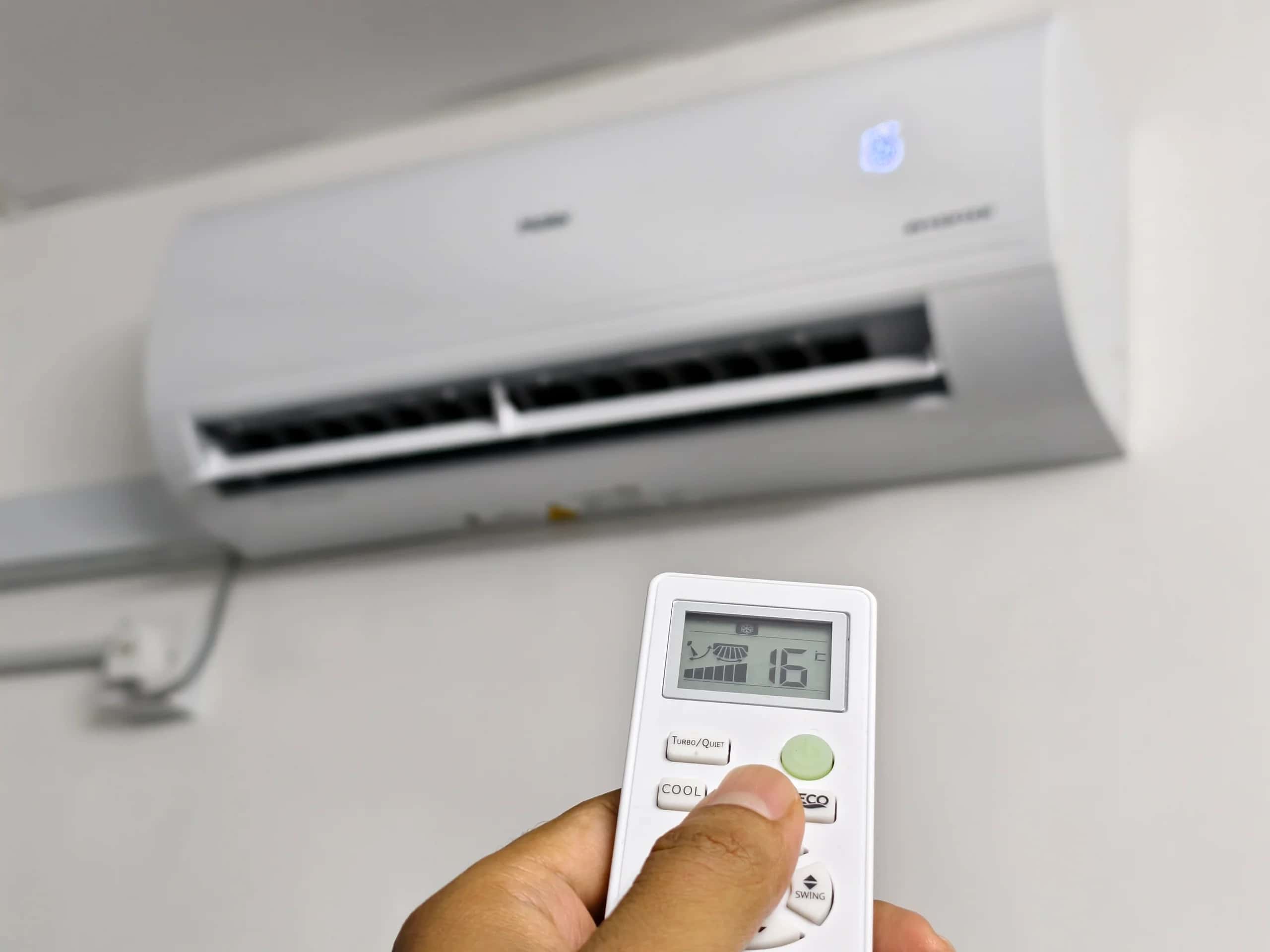
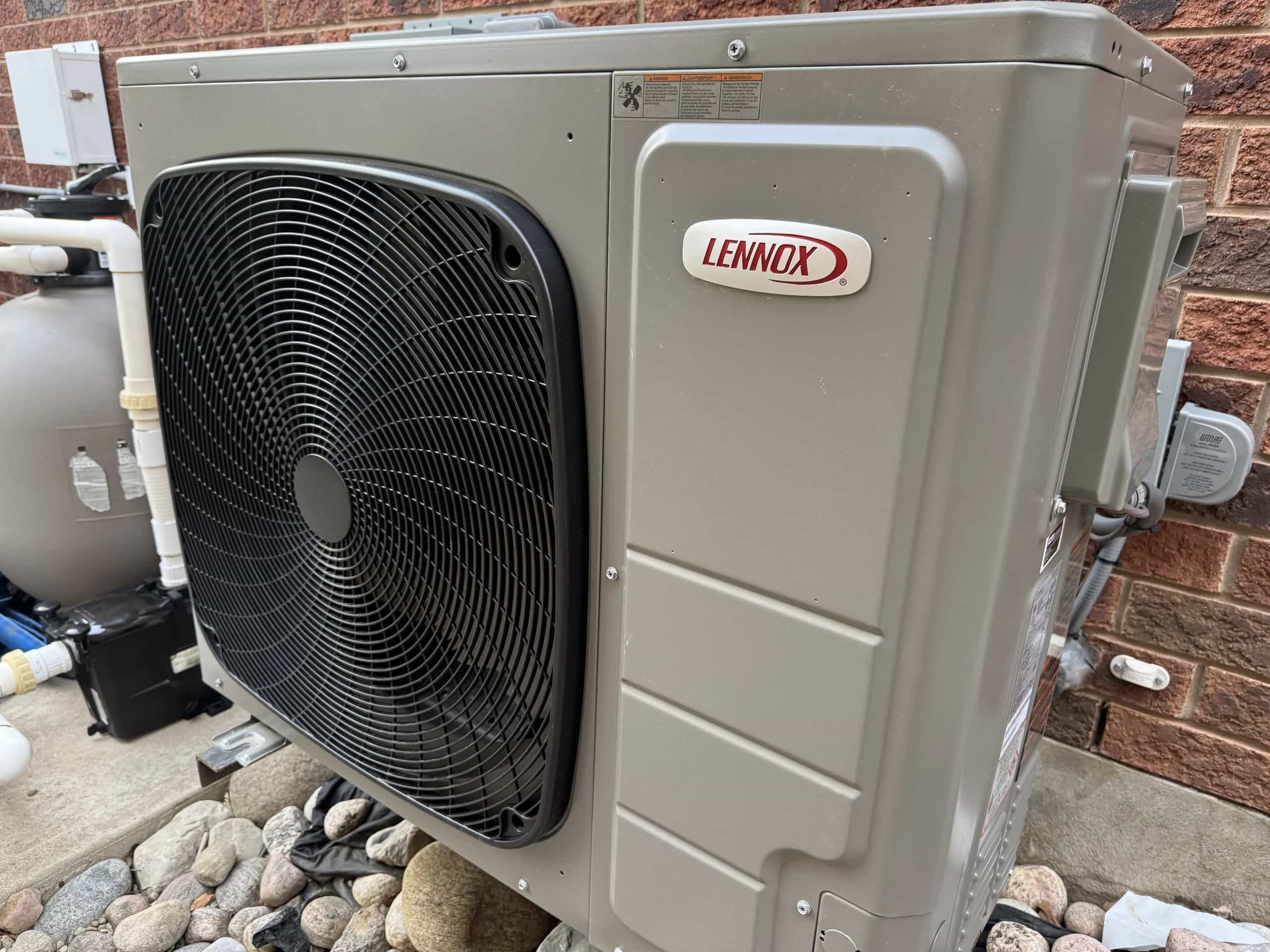
This is the question that worries tenants most, so let's be precise about it. A landlord can only raise your rent for an air conditioner when two things are both true: the landlord pays for your unit's electricity, and you installed the unit on or after July 1, 2026. If you pay your own hydro bill, there is no separate air conditioning increase, because you are already covering the cost every time the compressor kicks on.
Even when a charge is allowed, it is not a free-for-all fee. According to the Landlord and Tenant Board's guidance for air conditioners, the increase is capped at the actual cost of running the unit, or a reasonable estimate of that cost when the exact figure is hard to pin down. Those energy efficiency and usage details you provided are what the estimate is built on. Think of it as a pass-through for electricity, not a premium for the privilege of being cool.
What makes this increase unusual is how it behaves compared with a normal rent increase. It can move up and down more than once in a year, tracking the seasons: it can apply while you are running the unit in summer and must come off when you stop using it in winter or take it out entirely. It does not require the usual 90 days of written notice, it does not need advance approval from the Landlord and Tenant Board, and it sits on top of the annual guideline increase rather than eating into it. For a fuller walk-through of how this cost recovery works in practice, our report on how Ontario landlords can now recover AC electricity costs breaks down the mechanics.
A Quick Way to Tell If Your Rent Can Change
Because the details depend entirely on your situation, here is a simple table you can match yourself against before any money changes hands.