The Four Resilience Pillars
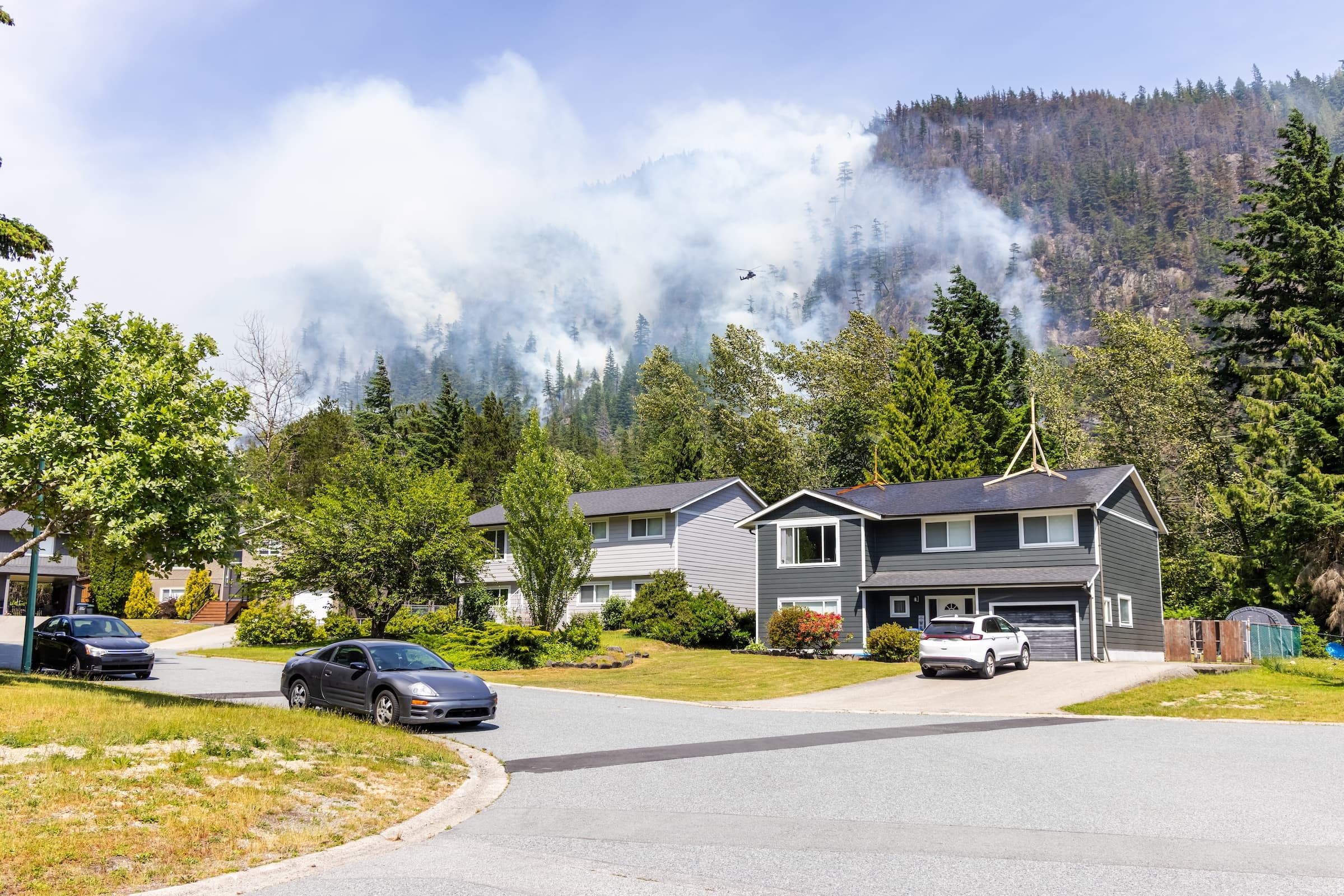
The submission's resilience asks are tightly scoped. IBC is requesting that the province fully fund B.C.'s adaptation and flood strategies (not propose new ones — fund the ones that exist), improve hazard mapping and building codes, encourage FireSmart wildfire resilience practices in high-risk communities, and ensure new homes are not built in areas vulnerable to flooding and wildfire.
That structure matters because each pillar maps to an existing provincial program or regulatory lever. This isn't a wishlist of new initiatives; it's a request that the province accelerate, fund, and enforce what's already on the books. From a policy-process perspective, that's the version of an industry ask most likely to land — there's no new architecture to build, only existing architecture to staff and finance.
The Funding Pillar: What "Fully Fund" Means
B.C.'s Climate Preparedness and Adaptation Strategy (CPAS) is a named provincial plan covering 2022–2025, backed by more than $500 million in initial investments and informed by more than $2.1 billion in additional funding committed after the 2021 extreme weather events. The B.C. Flood Strategy is a separate, finalised provincial framework that lays out a long-term vision for integrated flood-risk management — understanding flood risk, strengthening governance, and investing for flood resilience.
When IBC says "fully fund," it's referencing those documents. The implied question for Budget 2027 is whether the province will continue and expand the post-2021 funding posture or let it taper as the disaster headlines fade. That's a routine budget question with non-routine consequences: a sub-fully-funded adaptation strategy is, in practice, an exposure that will eventually show up in claims experience and, downstream, in homeowner premiums.
The Hazard Mapping and Building Codes Pillar
Improved hazard mapping is the pillar with the most direct connection to homeowner pricing and decision-making. Hazard maps determine which postal codes get flagged as flood-prone or wildfire-prone, which feeds underwriting decisions, mortgage product availability, and the cost of overland flood endorsements. Better mapping doesn't change physical risk, but it changes how that risk is priced and to whom it's communicated.
Through the Community Emergency Preparedness Fund and Disaster Resilience and Innovation Fund, B.C. reports providing more than $410 million since 2017 for approximately 600 flood-risk-reduction projects with First Nations and local governments, including foundational work like risk mapping, hazard and vulnerability assessments, flood-plain mapping, non-structural land-use planning measures, and small-scale structural upgrades. The infrastructure for hazard-mapping expansion already exists. What IBC is asking for is more of it, better integrated with building-code modernisation.
"Building codes" in this context refers to provincial direction on construction standards in high-risk zones — fire-resistant materials in interface areas, flood-resilient construction in flood-plain areas, and similar measures. It does not mean retrofitting existing homes. The codes apply primarily to new builds and substantial renovations.