What MERV 13 Actually Changes
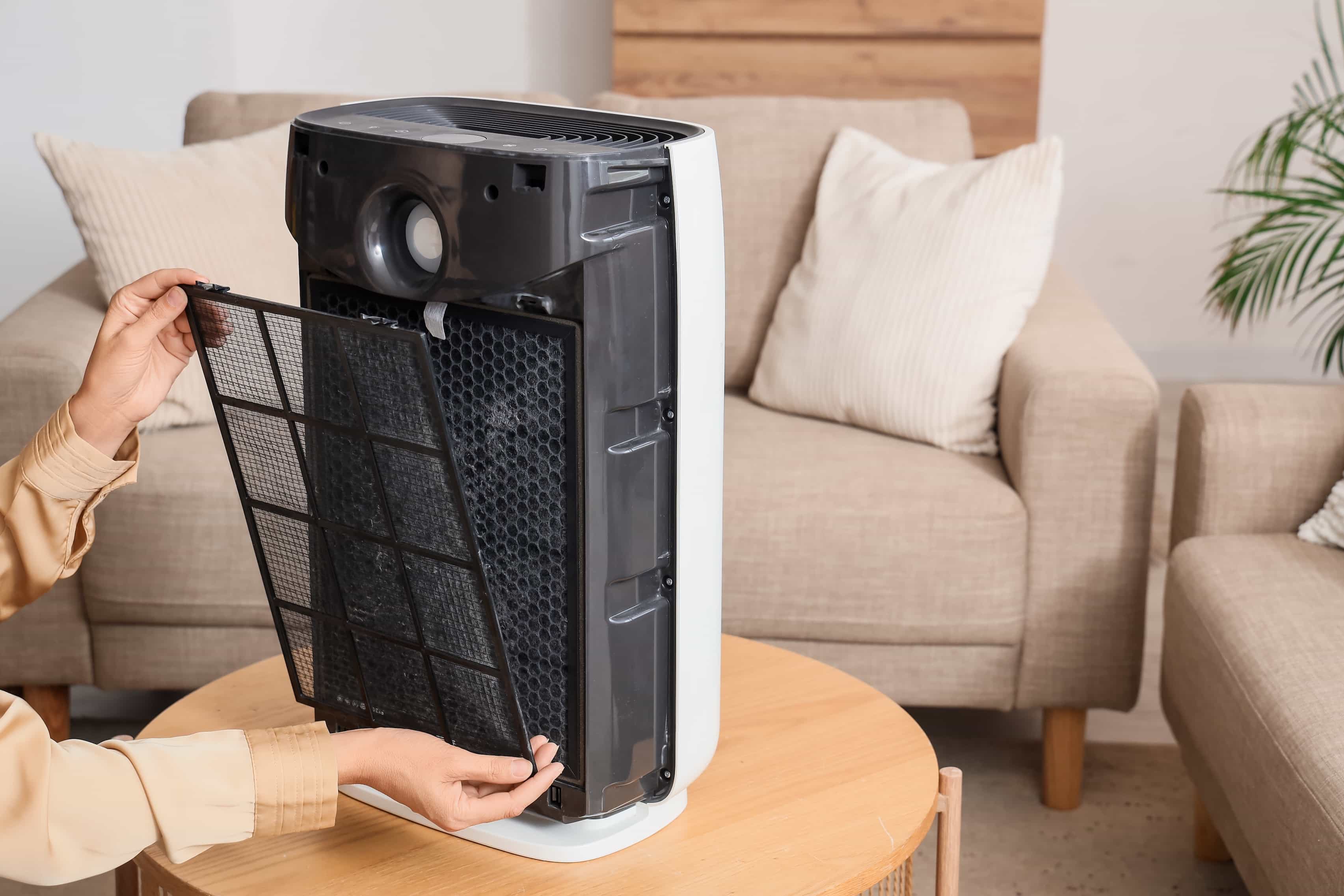
Most Canadian forced-air systems ship with low-grade return-air filters — often MERV 8, which captures roughly 20% of particles in the 0.3–1 µm range and is designed primarily to protect the equipment, not the occupants. Federal guidance has been moving in a clearer direction on wildfire smoke specifically. Health Canada's Guidance for Cleaner Air Spaces during Wildfire Smoke Events recommends HVAC filters with a minimum efficiency reporting value of 13 or higher to capture PM2.5, while explicitly flagging that the receiving system has to be capable of handling the increased pressure drop. Health Canada's broader wildfire-smoke public guidance uses softer language with the same intent: use the highest-quality air filter the ventilation system can handle, per manufacturer recommendations.
The constraint matters. A higher-MERV filter restricts airflow more than a lower-MERV one. A furnace fan that was sized to push air through a MERV 8 has to work harder against a MERV 13, and an older system or undersized return duct may show up as longer run times, hotter blower motors, reduced heating or cooling output, or — at the limit — equipment damage. The federal guidance for office buildings (which applies the same physics) is explicit that moving from MERV 13 to MERV 14 yields diminishing returns while sharply increasing pressure requirements, so the upgrade path almost always tops out at MERV 13 in residential systems rather than chasing higher numbers.
The Fan Setting That Decides Whether the Filter Does Anything
A MERV 13 filter only filters air that flows through it. A furnace fan left on the default "auto" setting only runs while the system is actively heating or cooling — which, in June across most of Canada, is intermittent at best. The filter exists; the air mostly does not pass through it.
Switching the fan to "on" during smoke days changes the equation. The blower runs continuously, the indoor air gets cycled through the return-air filter on a regular cadence, and the MERV 13 has air to filter. Health Canada's office-building ventilation guidance makes the same point at a system level: higher fan speeds and longer run times increase the amount of air filtered. The residential analogue is the simplest possible move — flip the fan to "on" for the duration of the smoke event, then back to "auto" afterward. Energy use rises modestly; indoor PM2.5 falls meaningfully.
The smoke-day filter checklist is short: MERV 13 in the return-air slot (only if the system can handle it), fan on "on" instead of "auto" for the duration of the special air-quality statement, and windows closed. A portable HEPA air cleaner in the most-used room layers on top.
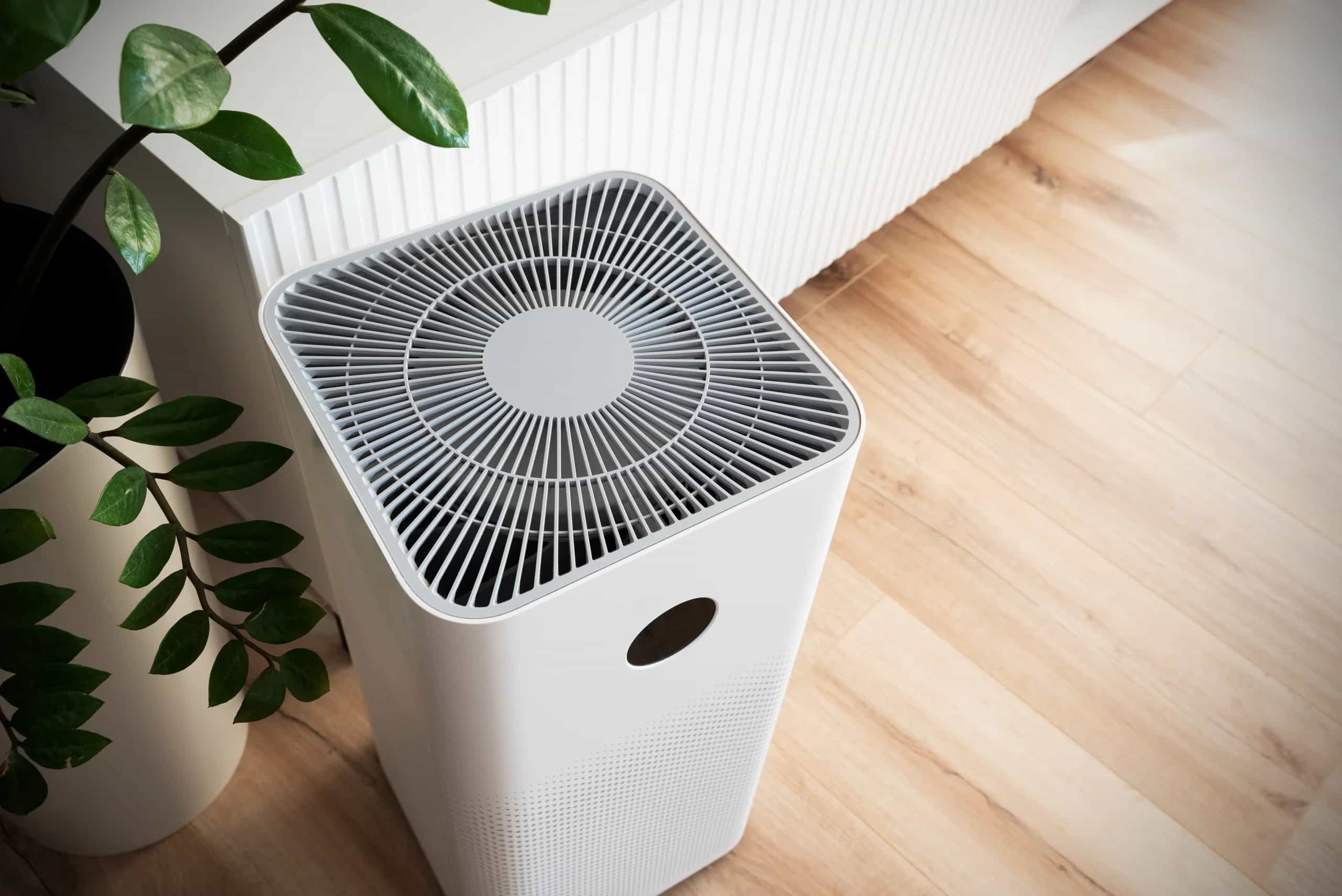
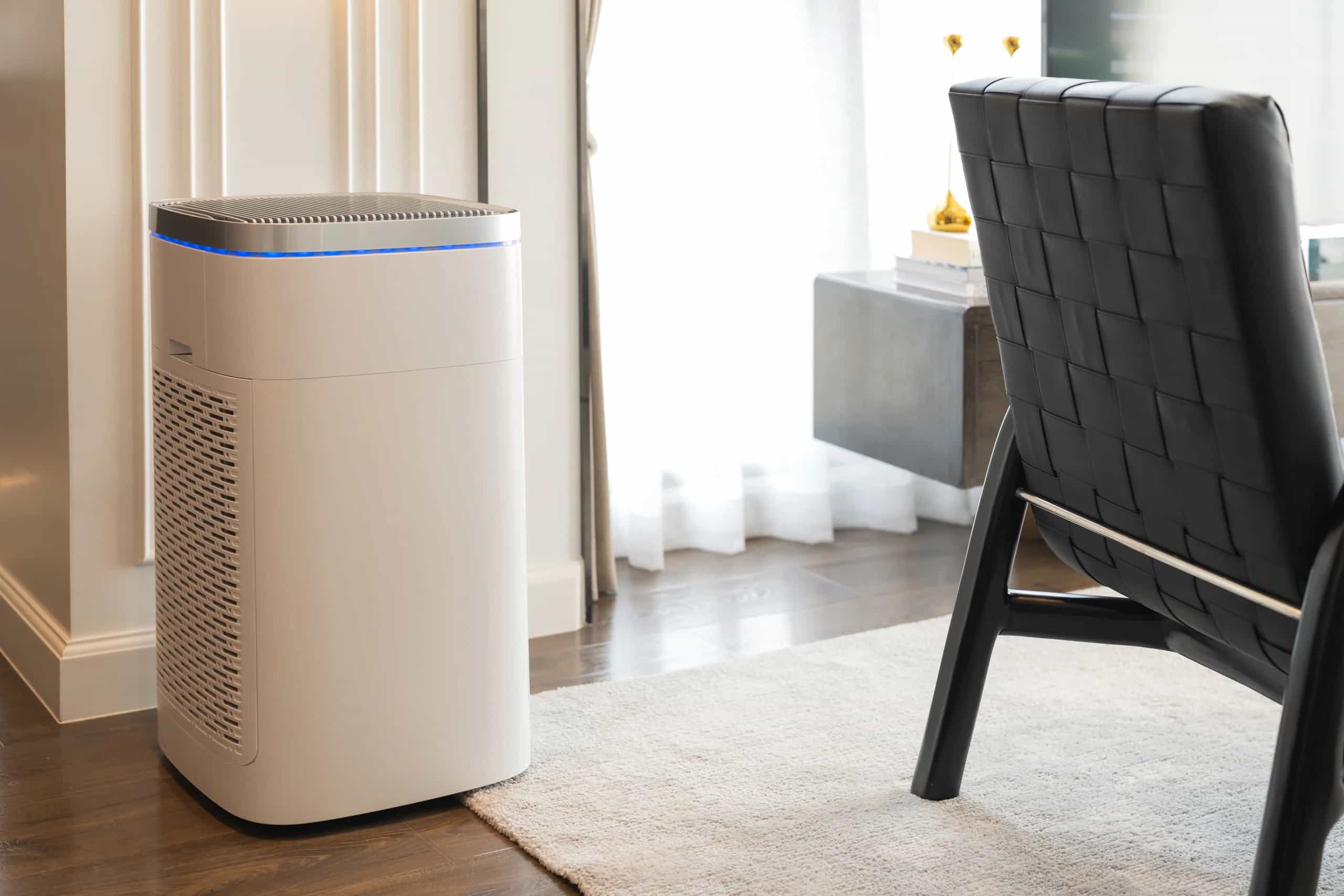
A portable HEPA air cleaner sized to the room is the most consistently studied add-on. The NCCEH review found that in closed environments, portable air cleaners alone reduced median PM2.5 by about 71%, with effectiveness falling off when windows were open. Filter, fan, and portable unit combine into the layered strategy the evidence consistently identifies as the best the homeowner can do. For homeowners weighing standalone units, the existing guide on what to look for in air purifiers for wildfire smoke in a Canadian home walks through clean-air delivery rate and room sizing in more detail.