A Calm Checklist For Comparing Contractors Without Guesswork Or Pressure

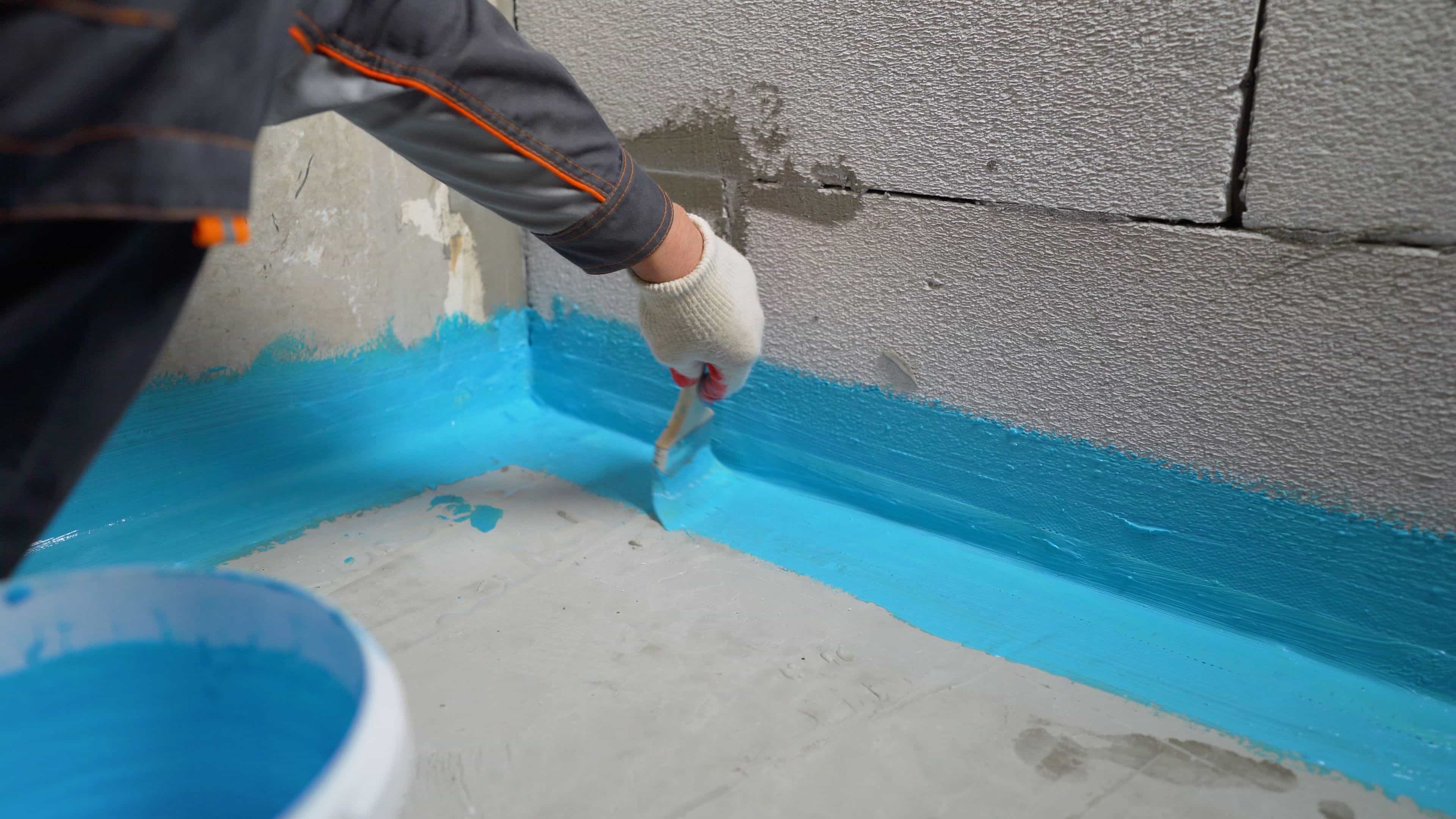
A worker carefully applies a waterproof coating to a basement floor, highlighting essential steps in basement waterproofing. (Source: PointForm AI)
Basement waterproofing quotes are unusually hard to compare because you’re not really buying “a product”—you’re buying someone’s diagnosis and their plan. Two contractors can look at the same damp corner and propose completely different work, and both can sound confident. The difference is often whether they actually traced the water pathway and matched the scope to what your house is doing, outside and inside.
A good inspection is not a quick glance at a crack and a recommendation that happens to match the company’s favourite system. It’s a repeatable process: identify likely entry points, confirm them with evidence (staining patterns, moisture mapping, drainage conditions), and then propose the smallest scope that solves the actual cause—not just the symptom you noticed.
This article gives you neutral criteria to evaluate what happens during the visit and what lands on the page afterward. If you’re collecting quotes, the goal is to get them to “apples-to-apples” as much as possible: same problem statement, same assumptions, and clear inclusions/exclusions.
Practically, it also helps to get enough estimates to see patterns; a Homewise post-purchase homeowner workbook recommends at least three written estimates for significant work, which is a solid baseline for basement waterproofing too.
Use the sections below like a rubric. You’re not trying to trap anyone—you’re trying to confirm that the quote is based on an inspection, not a sales script.

A thorough contractor will usually start by asking what you’ve observed (when it happens, where, how much), then work through the likely water pathway in a logical order. One useful mental model is: roof drainage → downspouts → grading → foundation drainage → interior collection/discharge.
You can expect them to look for a combination of “sources” (where water collects), “routes” (how it travels), and “openings” (where it gets in). CMHC-derived guidance summarized by Baseline Inspections’ basement flooding reference emphasizes working systematically from eavestroughs and downspouts toward lot grading and foundation drainage, and it also notes a common guideline that the ground should slope away from the foundation for roughly 1.8 metres (6 feet) to reduce infiltration risk.
What that looks like during a real inspection (not every home needs every step, but the logic should be visible):
If the contractor jumps straight to a single branded solution within minutes—without connecting it to a traced pathway—you’re not looking at a diagnostic process. You’re looking at a preselected scope.
A serious waterproofing inspection includes exterior observations that you can verify with your own eyes. The contractor should be able to point at features and explain, in plain language, why each one matters.
The key idea: water management outside is often cheaper and less disruptive than managing it after it’s already at the wall. Even when interior systems are the right answer, exterior conditions still affect how hard those systems have to work.
Here’s what you should expect them to notice and discuss:
Municipal guidance often lists these as typical contributors; the City of Toronto’s basement flooding guidance describes common entry paths such as overland flow, foundation wall cracks, and vulnerable openings like basement windows/doors, which is why a quote that only talks about “sealing cracks” can be incomplete.
A simple test of inspection quality: ask, “If you had to summarize the top two exterior contributors here, what are they?” A good contractor will answer clearly—and their quote will reflect it.
Inside the basement, the inspection shouldn’t be a sales demo. It should be evidence gathering: where the moisture is, what form it takes, and what systems already exist.
A contractor doing this well will typically do three things:
If a sump pump is part of the discussion, they should talk about discharge routing and maintenance realities—not just “install a bigger pump.” The City of Hamilton’s basement flooding preparedness guidance highlights that sump systems need proper discharge and upkeep to function, which is exactly why a good quote separates “pump hardware” from “where the water is sent.”
What you can (calmly) ask during the interior portion:
Those questions aren’t confrontational; they force the scope to match real conditions.
A quote is useful when it lets you compare scope, not just totals. The simplest way to spot a strong estimate is whether you can see separate components and separate responsibilities.
Canadian consumer guidance aligns with this: a Hiring a Contractor workbook from the Seniors Home Supports / BC Seniors’ Council recommends written estimates that include a clear description of the work, itemized costs, and a total price, which is the standard you should hold waterproofing quotes to.
Below is a practical “itemization map” you can use to compare quotes without needing to be a waterproofing expert:
A strong quote explicitly states what happens after the waterproofing work—patching concrete, reinstalling flooring, replacing drywall, landscaping restoration, and debris disposal—because “not included” surprises are one of the most common ways projects blow past the original number.
What the quote should not do is collapse everything into one line like “Waterproof basement: $X.” That prevents comparison and makes change orders more likely.
Homeowners often focus on the wrong “red flag,” like whether the contractor’s price is higher. In waterproofing, the bigger risk is an estimate that’s impossible to interpret.
Here’s what a quote should not include—or should not hide behind:
A practical way to pressure-test vague scope is to ask for one sentence:
If they can’t (or won’t) make the scope concrete on paper, don’t assume it will become concrete later.
Basement waterproofing is emotional for a reason: water damage is disruptive, and nobody wants the problem to get worse. Some contractors exploit that urgency. Your job is to slow the decision down to the speed of verification.
Federal CMHC consumer guidance is blunt about this risk; the Canada Publications CMHC guide on hiring a contractor warns homeowners to be cautious about contractors who refuse written contracts, use vague descriptions of work, or pressure you to sign immediately, which is directly relevant to in-home waterproofing sales visits.
Here are common pressure moves—and a script you can reuse without escalating the conversation:
If a contractor won’t leave a written estimate behind (or won’t email it promptly) and tries to keep the decision inside the appointment window, treat that as a business-process problem—because it usually becomes a project-management problem later.
How to compare quotes “apples-to-apples” without turning it into a debate:
Your end state is simple: each quote should read like it was prepared for your house, not for “a house.”
You don’t need to do a pre-inspection project. You just need to remove ambiguity so the contractor isn’t pricing blind.
The difference between a clean quote and a padded quote is often whether the contractor can see what they need to see and whether you can clearly describe when the problem occurs.
Here’s a lightweight prep list that improves accuracy:
Bring the conversation back to evidence by saying: “Here’s when it happens, here’s where it shows up, and here are photos from the last event.” You’ll get a better diagnosis—and a quote that’s easier to defend if questions come up later.
A good contractor will appreciate this. It lets them price the work they’re actually proposing, not a worst-case scenario.
Waterproofing lives at the intersection of excavation, drainage, concrete work, and risk management. A general contractor can be excellent—but if they don’t routinely diagnose water entry and manage below-grade drainage details, you may get a solution that “looks fine” and still leaks.
In practice:
What to verify is less about “trust” and more about reducing project risk:
The Canadian Home Builders’ Association notes in its consumer legal guidance that a written contract should specify the agreed project plan and the warranty provided; the Canadian Home Builders’ Association guidance on contracts and legal considerations is a useful baseline for what “normal” documentation looks like in Canadian home projects.
One more practical filter: pay attention to how they answer questions. A contractor who can explain trade-offs calmly (and update the quote accordingly) is usually easier to work with than one who tries to “close” you.
When you’re evaluating basement waterproofing quotes, you’re evaluating process quality as much as price. A strong contractor:
Your next step is simple: take the best-written quote and use it to improve the others. Ask competing contractors to match the same level of detail (or explain, in writing, why their approach differs). The goal isn’t perfection—it’s clarity.
If you can read three quotes and clearly understand what each contractor believes is happening, what they will do about it, and what they will not do, you’re in a position to choose confidently.
Long enough to look outside and inside, ask questions about the history, and document findings. For many homes, that’s often closer to an hour than “a quick 10-minute look,” especially if the contractor is checking drainage conditions and existing sump/discharge details.
In most cases, yes. Water problems are frequently driven by exterior conditions (roof drainage, downspouts, grading, overland flow). An interior-only inspection can miss the cause and lead to a bigger-than-necessary system—or the wrong fix entirely.
A good contractor will note the limitation and adjust the inspection method (e.g., moisture mapping, checking exposed areas, correlating interior symptoms with exterior features). Your quote should explicitly state what couldn’t be verified due to finishes and how that affects scope and warranty.
In Canadian usage, “weeping tile” usually refers to foundation perimeter drainage (often called a foundation drain). It’s meant to collect groundwater at the foundation footing area and direct it to a sump pit or another approved discharge route, depending on the home’s configuration.
Not always, and “cheaper” isn’t the only decision criterion. Interior systems can be less disruptive than excavation, but they may manage water after it reaches the foundation rather than preventing it from reaching the wall. A good quote explains the trade-off in plain language.
Yes, ideally. Crack injection should specify which crack(s), how many, and what preparation is included. If it’s bundled into a single lump-sum description, it’s difficult to compare to another quote that’s defining scope more clearly.
Treat it as a process requirement: you only decide from written scopes you can compare. Ask for the quote by email, take 24–48 hours, and compare it to at least one or two other written estimates. If the contractor won’t honour pricing without immediate signature, you haven’t lost a deal—you’ve avoided a risk.
Sometimes, depending on what’s being installed (for example, certain plumbing-related devices) and your municipality’s requirements. Instead of guessing, ask the contractor to state in writing who is responsible for permits (if any) and what inspections might apply to the proposed work.
It should identify what’s covered (specific areas and failure types), how long coverage lasts, what exclusions apply, and what conditions could void it (for example, unapproved changes, lack of maintenance, or specific water sources). If a warranty is described as “lifetime” without terms, ask for the full written warranty document.
Start by aligning the problem statement. Ask each contractor to write (1) where they believe the water is coming from, (2) what evidence supports that, and (3) what their solution assumes about exterior drainage and interior systems. If they can’t clearly explain the difference, you can’t fairly compare the totals.
It depends on context. If they point to visible conditions and recommend appropriate next steps (like improving moisture control), that can be reasonable. If the conversation quickly turns into expensive testing or urgent add-ons unrelated to your water-entry symptoms, treat it as a sales signal and bring the discussion back to documented water pathways and scope.