Your First 24 Hours Matter More Than the Next 24 Weeks

Handling basement water emergencies involves quickly extracting water to prevent structural damage. Waterproofing is crucial in preventing recurrence. (Source: PointForm AI)
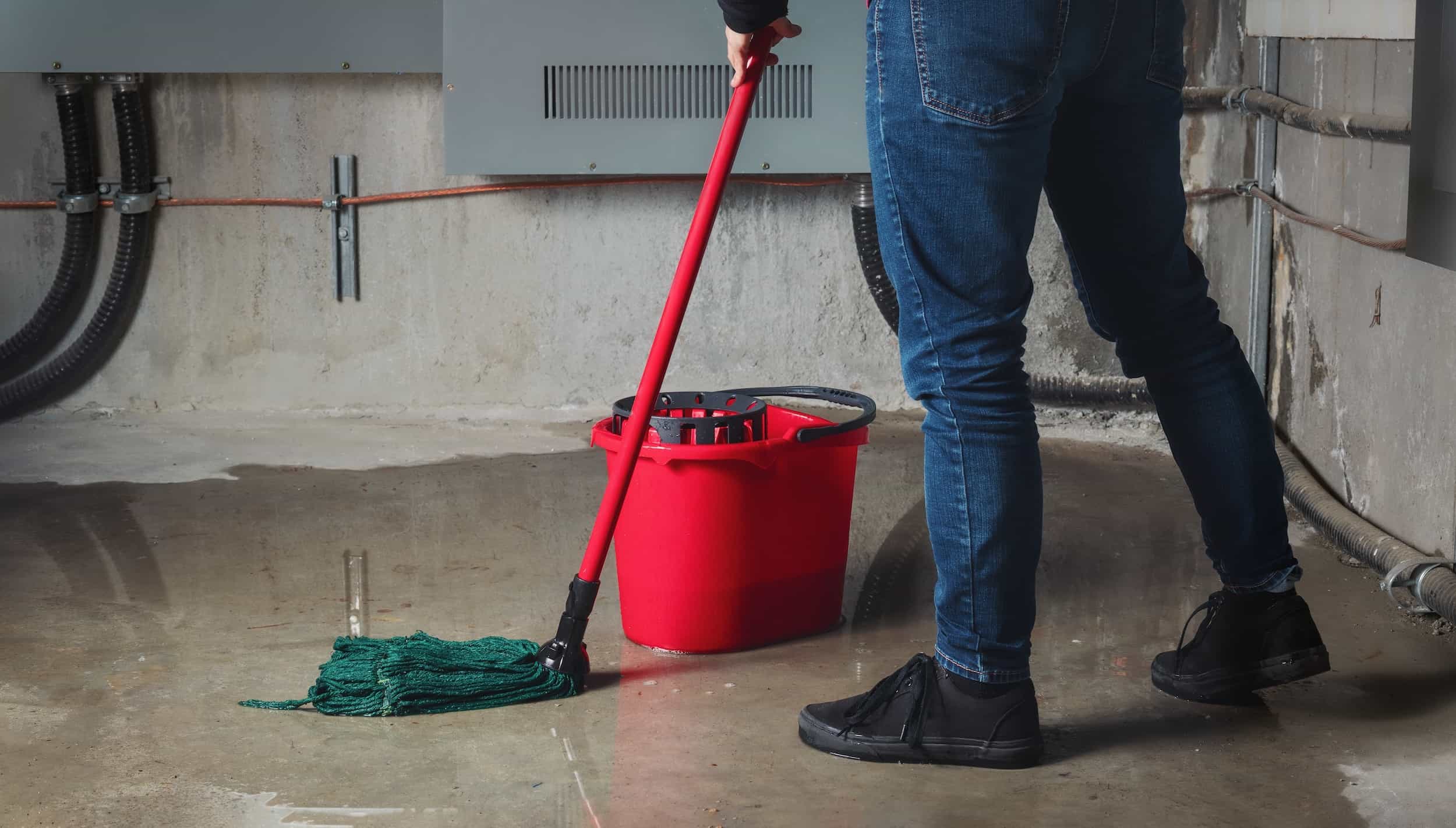
A flooded basement demands a specific kind of calm. Not the kind where you stand at the top of the stairs and hope it sorts itself out. The kind where you slow down long enough to do the right things in the right order — because the decisions you make in the first 24 hours will determine whether this stays a cleanup or becomes a renovation.
Most homeowners rush to start pulling water out. That's understandable. But the sequence matters more than the speed. Entering a flooded basement before confirming the power is off can kill you. Pumping out deep water too fast can collapse your foundation walls. Discarding damaged belongings before photographing them can void your insurance claim. Every one of these mistakes happens because people skip ahead.
This guide walks you through the first day — from the moment you discover water to the point where drying is underway and your insurance company is engaged. It covers what to do, what to leave alone, and when the right move is to stop and call someone else.
This is not optional, and it is not something you rush through.
Health Canada's flood clean-up guidance warns that standing water combined with electrical systems creates life-threatening hazards. The rule is simple: if you cannot reach your electrical panel from dry ground without stepping in or near water, do not attempt it. Call your local hydro utility and ask them to disconnect power from outside.
The same principle applies to gas. If your furnace, water heater, or any gas-fired appliance has been submerged or partially submerged, do not attempt to relight it. According to Technical Safety Saskatchewan, flooded gas equipment can present fire, explosion, and carbon monoxide hazards. A licensed gas contractor must inspect and clear every affected appliance before you use it again.
Do NOT enter a flooded basement if any of these conditions are true: the electrical panel was not shut off before flooding began, any part of the structure or foundation appears shifted, cracked, or buckled, you smell gas, or the water appears to contain sewage. Leave and call emergency services.
Once you've confirmed the power is off and the space is structurally sound, gear up before going in. Canadian guidance from the Canadian Centre for Occupational Health and Safety recommends waterproof boots, rubber or heavy-duty work gloves, eye protection, and an N95 respirator when mould, dust, or sewage contamination is possible. Keep children and pets out of the flooded area entirely.
This is the default position until you have strong evidence otherwise.
CCOHS advises treating all floodwater as though it contains sewage and chemical contaminants, regardless of how clear it appears. The health risks include gastrointestinal illness, skin infections, and respiratory problems from airborne contaminants once water begins to dry. Even water that entered through foundation cracks during a rainstorm may have picked up contaminants from soil, road runoff, or overwhelmed storm drains.
The restoration industry uses a three-tier contamination classification system that shapes every decision downstream:
If water is coming up through your floor drain with a foul odour, dark colour, or visible solids, that is almost certainly Category 3. Health Canada recommends contacting your local public health department and discarding contaminated items according to local regulations. This is not a cleanup you should attempt yourself.
If you are on a private well, do not use your water for drinking, cooking, bathing, or brushing teeth during or after a flood event. Wait for your local health authority to advise on disinfection and testing before resuming use.
Before you remove a single litre of water, figure out why it's still coming in — and stop it.
If you suspect a supply pipe leak, shut off water at the main valve. This is usually located near your water metre or where the main line enters your home. Once it's off, the inflow should stop.
If water is backing up through floor drains or toilet fixtures, stop using all water fixtures in the house immediately. This pattern typically points to a sewer or drain backup. The City of Hamilton's basement flooding guidance notes that sewage can back up into basements when the municipal sanitary sewer is overwhelmed after heavy rain — and instructs residents to call the city so municipal crews can assess whether the problem is on the city side.
If water is seeping through the wall–floor joint after rain or snowmelt, the source is exterior — grading, downspouts, weeping tile, or foundation cracks. You can't stop this from inside in the short term, but you can manage it. Check whether your sump pump is running. If the pit is full and the pump isn't cycling, check for a tripped breaker, a stuck float switch, or a frozen discharge line.
This step happens before you move furniture, before you start pumping, and before you throw anything away.
The Insurance Bureau of Canada explains that many Canadian home policies only cover basement water damage from sewer backup if specific optional coverage was purchased, and that overland flood coverage is also typically optional. Regardless of what your policy covers, the documentation process is the same — and skipping it can cost you the claim.
Here is your first-day documentation checklist:
Walk the space with your phone recording video. Narrate what you see: water level, where it appeared first, which belongings are affected, and what the water looks and smells like. Follow the video with close-up photos of every damaged area, item, and surface. Include a ruler or common object for scale where water depth matters.
After the visual documentation, start an itemized list of damaged contents. Include descriptions, approximate values, and serial numbers for electronics and appliances. Keep every receipt for cleanup supplies, equipment rentals, and emergency repairs from this point forward — insurers and government disaster-recovery programs both expect this paper trail.
Do not discard non-hazardous damaged items until your insurance adjuster confirms they can go. IBC advises keeping ruined items unless they pose a health hazard. If items are contaminated with sewage, photograph them thoroughly before disposal.
Call your insurance broker or company as soon as your documentation is complete. The legal limit to file is usually two years, but early contact matters — some policies require prompt notification, and your insurer can authorize emergency mitigation costs upfront.

Once the source is stopped (or being managed), your next priority is getting water out. But there is a critical nuance most guides skip.
If your basement is deeply flooded — several feet of standing water — do not pump it all out at once. Municipal guidance from the City of Brantford advises lowering the water level gradually, roughly one-third per day. The reason: when the soil surrounding your foundation is saturated, the water inside your basement is providing counter-pressure against the walls. Remove it all at once and the outside pressure can exceed the inside pressure, risking wall collapse or structural cracking.
This applies to significant flooding — not a few centimetres of standing water from a minor seep. If you're looking at ankle-deep water or less and the walls appear sound, you can proceed with extraction normally.
For manageable water volumes, a wet/dry vacuum handles the last few centimetres well. For deeper water, a submersible pump is more practical — available at most hardware rental stores. Position the pump at the lowest point of the basement and run the discharge hose to a drain or exterior area well away from your foundation. Do not discharge extracted water near the foundation, or it may re-enter through the same path.
Not everything in a flooded basement can be saved. Knowing what to pull out quickly, what to attempt to dry, and what to leave alone saves time and avoids health risks.
The general rule from CCOHS and Health Canada: highly porous materials that have been soaked in floodwater and cannot be thoroughly cleaned and dried within roughly 48 hours should generally be removed and discarded. That list includes carpet and underpad, drywall and insulation, mattresses, box springs, upholstered furniture, cushions, and stuffed toys. If sewage contamination is involved, the threshold drops further — most porous items exposed to Category 3 water are unsalvageable.
Do not rip out drywall, insulation, or other building materials yourself unless you are confident about what's behind them. Focus on removing freestanding items first — furniture, boxes, stored goods. Leave structural decisions for a restoration professional or contractor.
Start with what matters most: important documents, photos, and irreplaceable items go to a dry area immediately. Electronics come next — even if they weren't directly submerged, prolonged humidity damages circuitry. Lift wooden furniture off wet floors and place foil or plastic under the legs to prevent wicking. Clothing and textiles should be hung to air-dry or moved upstairs for laundering.
Leave building materials — drywall, insulation — that are part of the structure in place for now. Leave anything you suspect is contaminated with sewage for professionals to handle (photograph it first). And don't risk injury moving heavy items across wet, slippery floors.
For hard, non-porous surfaces that you can clean, Health Canada notes that soap or detergent with clean water is usually adequate for day-one cleaning. Bleach is not strictly necessary for initial surface cleaning, and dried surfaces can later be vacuumed with a HEPA vacuum to capture residual particles.
This is the most time-sensitive action in the entire first day. Health Canada states that homes and furnishings are less likely to develop mould if they are dried within about 48 hours, with indoor humidity kept around 30–50% during dehumidification. That clock started the moment water entered your basement.
Canadian basements present a specific challenge for drying. They're typically cool, enclosed, and poorly ventilated — conditions that slow evaporation and trap moisture. A passive "open the windows and hope for the best" approach rarely works, especially in spring or fall when outdoor humidity may be high.
Your day-one drying protocol:
Close the basement off from the rest of the house. Open basement windows only if outdoor air is drier than indoor air — if it's raining or humid outside, keep them closed. Run one or more dehumidifiers continuously in the closed space, targeting humidity below 50%. Position fans to move air across wet walls, floors, and any remaining contents. Direct airflow toward the dehumidifier intake or toward open windows when conditions are right.
If you can safely remove baseboards, do so — this allows air to circulate behind finished walls where moisture gets trapped. Monitor humidity with a basic hygrometer (available at any hardware store for under $20) and keep the dehumidifiers running until readings stabilize below 50%.
Never run a gas-powered generator, pump, heater, or barbecue inside your basement or garage during drying. Carbon monoxide is a recurring cause of injury and death during post-flood cleanup. Use only electric equipment, and ensure your CO alarm is working.
Not every flooded basement requires the same response. The source, the contamination level, and the scale of damage determine who you need and how urgently.
Call immediately (same hour):
Call within the first day:
Schedule within 24–72 hours:
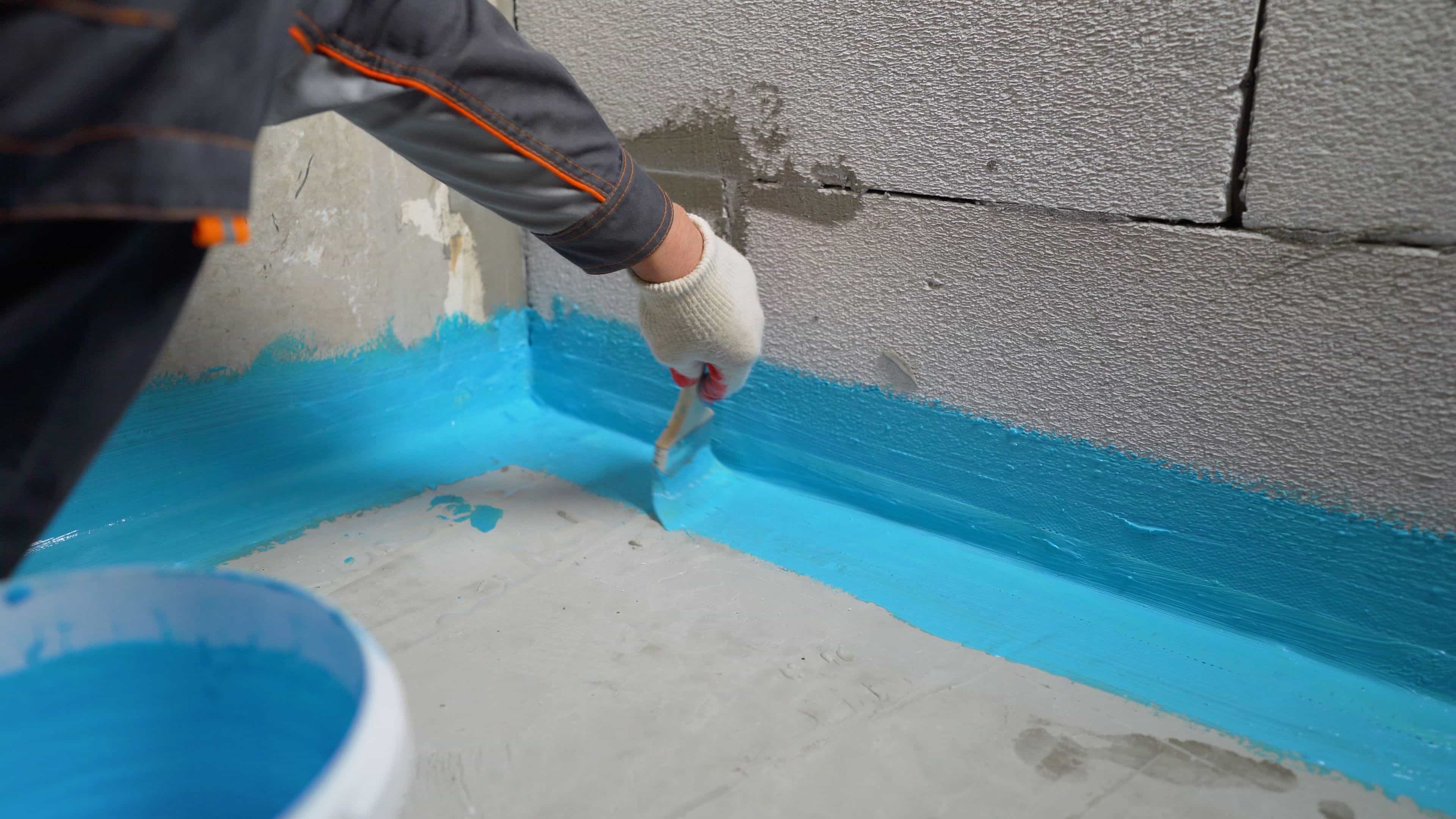
If your basement has a history of seepage or flooding, this event is telling you the underlying cause has not been addressed. Once the immediate crisis is stabilized, that becomes the next conversation — whether it's a grading issue, a failing weeping tile system, or a need for interior or exterior waterproofing.
Health Canada guidance indicates mould can begin growing on wet materials within approximately 48 hours. This is why starting the drying process on day one — not day three — is critical. Keep humidity between 30–50% with continuous dehumidification. If you notice a musty smell developing before visible growth appears, that's an early signal to increase airflow and dehumidification.
Only if the electricity has been shut off from a dry location, the structure appears sound (no shifted walls, cracking, or buckling), and you're wearing appropriate PPE — waterproof boots, gloves, eye protection, and an N95 respirator. If any of those conditions aren't met, stay out and call a professional or your utility company.
Not if the water is deep. When soil around the foundation is saturated, the water inside your basement provides counter-pressure against the walls. Pumping it out too quickly can cause wall failure. Municipal guidance recommends lowering the level gradually — roughly one-third per day for significant flooding. Shallow water (a few centimetres) from a minor seep can be extracted normally.
It depends on the source. Many standard policies cover sudden events like burst pipes, but sewer backup and overland flood coverage are typically optional add-ons in Canada. The Insurance Bureau of Canada recommends contacting your insurer immediately to understand your specific coverage. Our guide to why Canada's home insurance rates are rising covers what's changing in this space.
Porous materials that were soaked and cannot be cleaned and dried within about 48 hours generally need to go — carpets, underpad, drywall, insulation, mattresses, upholstered furniture, and stuffed toys. If the water was sewage-contaminated, the threshold is even stricter. Photograph everything before discarding it, and don't dispose of non-hazardous items until your insurance adjuster agrees.
Health Canada notes that bleach is not strictly necessary for mould cleanup, and that soap or detergent with clean water is usually adequate for initial cleaning of hard, non-porous surfaces. If you do use a disinfectant, follow the product label instructions and ensure adequate ventilation. Strong chemical cleaners in a poorly ventilated basement can create their own health hazards.
Sewer backup water is Category 3 (grossly contaminated) and requires a fundamentally different response. Do not attempt extensive cleanup yourself. Limit your actions to shutting off water and power (if safe), documenting the damage, and evacuating. Contact your municipality to report the backup, your insurance company, and a professional restoration service. Your local public health department can advise on contaminated-item disposal.
No — not until your local health authority says it is. Provincial guidance across Canada is consistent: private well water should not be used for drinking, cooking, bathing, or brushing teeth during or immediately after a flood. Wait for official advice on disinfection and testing before resuming use.
Not until a licensed gas contractor has inspected and cleared every gas appliance that was exposed to floodwater. This also applies to electrical heating systems — a licensed electrician should inspect and clear any electrical equipment that was submerged. Restoring power or relighting gas appliances before professional inspection creates fire, explosion, and carbon monoxide risks.
The answer depends on the cause. Storm seepage points to exterior drainage issues — grading, downspouts, weeping tile, or foundation cracks. Sewer backup may require a backwater valve. Groundwater issues may need a sump pump or foundation waterproofing. Address the root cause — not just the symptom — or the next heavy rain or spring thaw will repeat the pattern.
Do not enter the water. Call your local hydro utility and ask them to disconnect power from outside. This is a standard service during flood events. Once power is confirmed off by the utility, you can safely enter to assess and begin triage — but even then, wear full PPE and check for structural integrity before going downstairs.