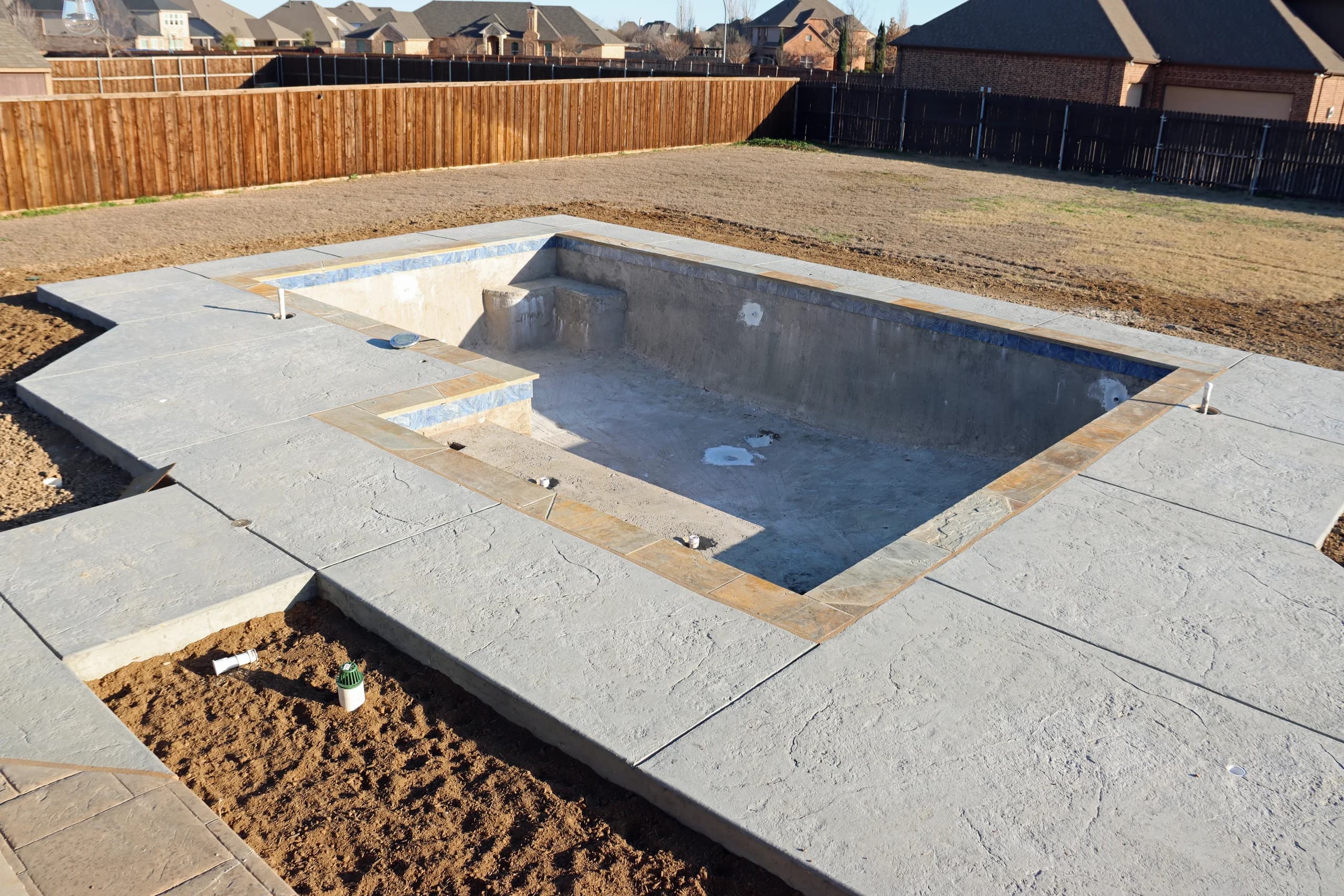
The single most common error is treating three quotes as three prices. They are not comparable until you make them comparable, and a low quote with vague scope is not a bargain. It is an unfinished decision.
Get Three Itemized Quotes, Then Make Them Comparable
Start by requesting at least three written, itemized quotes. Canada Mortgage and Housing Corporation advises homeowners to gather written estimates and judge them on scope, materials, and the builder's answers to your questions rather than on the lowest figure. That guidance is doubly true for pools, where the difference between two quotes is rarely the pool itself — it is what each builder quietly left out.
Before you compare anything, normalize the quotes. Confirm whether each price includes HST, because a quote that excludes 13 percent tax looks cheaper and is not. Confirm that all three assume the same pool size, the same shell type, the same depth, and the same decking footprint. If one builder priced a concrete deck and another priced backfill-and-grade-only, you are comparing two different projects wearing the same title.
Hunt for the Exclusions, Allowances, and Change-Order Clause
The money lives in three places most homeowners skim past. Exclusions tell you what is not in the price — common culprits are spoil removal, electrical bonding, gas hookups for heaters, fencing, and final grading. Allowances are placeholder dollar figures for items not yet chosen, like tile or coping; a generous-looking quote can hide a thin allowance that balloons the moment you pick anything other than the builder's cheapest option. And the change-order clause governs what happens when the excavator hits rock or a high water table — which, on a pool dig, is not a remote possibility but a Tuesday.
A builder who puts exclusions, allowances, and change-order pricing in writing is protecting both of you. One who waves them off with "we'll sort it out as we go" is handing you an open-ended invoice.
Use the audit below with all three quotes in front of you. If a builder leaves a row blank or answers verbally, write down the verbal answer and ask them to add it to the quote. The goal is not to win a negotiation. It is to surface the gaps before they become surprises.
If you want a deeper template for reading contractor quotes the same way across trades, the approach in the Homeowner.ca playbook for hiring a decking company transfers cleanly to pools — the trades differ, the quote traps do not.