How To Screen Contractors, Compare Written Quotes, and Protect Yourself From First Call to Final Payment

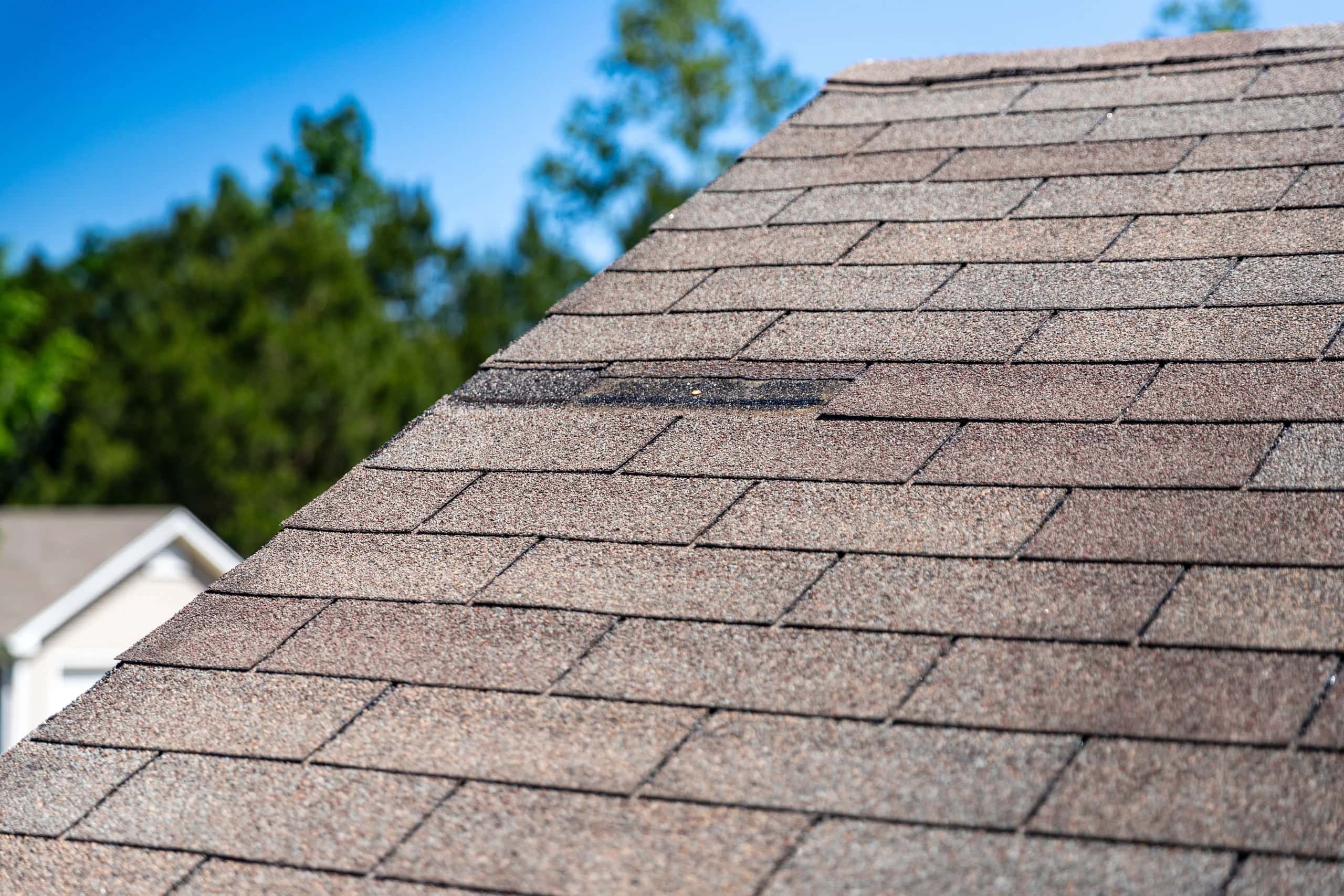
A roofer works diligently on repairing shingles of a suburban home. The image emphasizes safety and craftsmanship in residential roofing. (Source: PointForm AI)
Most homeowners think they are comparing prices when they collect roofing quotes. They are not. They are comparing scope clarity, crew accountability, documentation quality, and how much risk each contractor expects the homeowner to absorb.
That is what makes roofing quotes deceptively simple. Two numbers may sit close together yet describe entirely different jobs. One quote includes tear-off, underlayment, membrane placement, flashing replacement, permit handling, and a written workmanship warranty. Another says "replace roof" and leaves the most expensive decisions to be negotiated after the shingles come off.
This playbook is a decision framework for that process — structured around the five stages of a roofing project. Each stage answers four practical questions: what to ask, what good looks like, what should make you pause, and what must be documented before money moves. If you are still earlier in the process and building a shortlist of companies to call, our guide to choosing a reputable roofing company in Canada covers that step. This playbook picks up where the shortlist ends.
The first mistake is inviting roofers to price a moving target. If every contractor hears a different version of the problem, the quotes will never line up.
Start with the job facts. Note the approximate age of your roof, the material currently in place, any leak history, and whether you have had previous patch repairs. Take ground-level photos of each roof plane and any interior water damage. You are not diagnosing the roof. You are making sure every roofer starts with the same information.
Next, decide what you want quoted — but leave room for professional judgment. Do not ask one company for a repair price and another for a full replacement and then treat those numbers as competitors. Tell each roofer you want them to recommend the right path — repair, overlay, or full tear-off — and explain why. That keeps the inspection honest while forcing the contractor to declare what job they are actually pricing. If you are unfamiliar with the differences between shingle types and product tiers that will appear in these quotes, our guide to asphalt shingles in Canada covers what you need to know.
If you are unsure whether your roof needs repair or replacement at all, a professional roof inspection can clarify the scope before you start collecting quotes.
Here is where many homeowner guides get it wrong. They tell you to "check the contractor's licence." In Ontario, roofing is classified as a non-compulsory trade. A roofer does not need a Certificate of Qualification to operate legally. They can hold one voluntarily — and that signals training — but its absence does not mean the contractor is unqualified.
What you should verify instead is more fundamental.
Start with workers' compensation coverage. In Ontario, a WSIB clearance certificate confirms a contractor is registered, in good standing, and current on premium payments. It is typically valid for up to 90 days, so check the date. The clearance protects you directly: without it, you could be held liable for the contractor's unpaid premiums if a worker is injured on your property. You can verify a contractor's status online through WSIB's eClearance system rather than relying on a paper copy they hand you.
In British Columbia, the equivalent is a WorkSafeBC clearance letter. WorkSafeBC's homeowner guidance states that homeowners who hire contractors without confirming coverage can be held jointly liable for unpaid premiums. Every province has a workers' compensation authority. Check yours before signing anything.
Beyond workers' compensation, ask for proof of commercial general liability insurance. It is not legally mandated in Canada, but it is a de facto industry standard for roofing contractors. A contractor who cannot provide a certificate of insurance is telling you something important about how they run their business.
Finally, confirm a registered business name, a verifiable physical address, and a GST/HST number. Ask for references from recent local clients. Ask your neighbours — local reputation is harder to fabricate than an online review.
A contractor who dodges paperwork, changes the business name between conversations, offers a same-day signing discount, or steers you toward cash because it will be "easier for everyone" is not showing flexibility. They are showing you how the rest of the file will be managed.

Three written quotes is a strong target. But the number matters less than the discipline behind it.
Send every roofer the same roof brief. Same photos, same leak history, same questions. This sounds obvious. It is the difference between a clean comparison and a pile of unrelated estimates.
Each quote should answer six questions clearly: What job are you pricing — repair, overlay, or full tear-off? What materials and components are included? What is excluded? Who handles permits and inspections? Who will be on the roof — employees, subcontractors, or both? And how are change orders handled if hidden damage is found?
That last question matters more than most homeowners realize. Roofing often uncovers hidden decking damage, flashing failures, or ventilation problems that were invisible from the ground. A professional roofer should be able to explain, before the job starts, how those discoveries will be documented, approved, and priced.
Permits should also be settled before you compare totals. The Canada Mortgage and Housing Corporation renovation guide cautions that failing to obtain required permits can create problems later, including when selling the home. Your quote should state whether the contractor will confirm the requirement, who applies if one is needed, and whether the fee is included.
Ask each roofer to be specific about materials. "Architectural shingles" is not enough. You want the roofing system: shingle brand and model, underlayment type, ice-and-water membrane placement, flashing treatment, ventilation components, and cleanup expectations. If your quotes mention ventilation work, our guide to roof ventilation and attic insulation explains why this scope item matters for long-term roof performance.
When two prices are far apart, do not ask which roofer is overcharging. Ask which scope is missing. Roofing price gaps are usually caused by omissions, not margin.
This is the centre of the decision. Homeowners spend most of their energy getting quotes and too little energy reading them. That is backwards. The strongest contractor is usually the one whose quote leaves the fewest expensive decisions open.
A good roofing quote does not merely describe a roof. It governs a job. Use the table below as a quote-audit tool — bring it with you when you sit down to compare.
Two areas deserve closer attention after you have scanned the full table.
Warranties are two promises, not one. The Canadian Home Builders' Association advises that a contractor's written warranty should say what work is covered, how long coverage lasts, and what limits apply — separate from manufacturer protection on the roofing product. A manufacturer may stand behind the shingles. The roofer remains responsible for defective installation. If the quote blurs the two together, ask for the wording to be split before you sign.
Payment should follow milestones, not urgency. A standard payment structure involves a deposit (typically 10–30%), a progress payment tied to a visible milestone, and a final payment upon satisfactory completion and inspection. No reputable roofing contractor asks for full payment upfront. Be cautious of any schedule that front-loads money before materials arrive on site.
A low quote with vague scope is not a bargain. It is an unfinished decision. If three or more critical fields in the table above are vague, treat the quote as incomplete, not competitive.
For context on whether the line items in your quotes are in the right ballpark, see our province-by-province breakdown of roof replacement costs.
Once work begins, your job is not to supervise installation technique. It is to keep the live job aligned with the written scope. That means controlling four things: people, materials, surprises, and money.
Day one: align before the roof opens. Confirm the crew lead or supervisor by name. Confirm the material delivery matches the quoted system. Confirm the job path has not quietly changed. If the quote described one system and the truck arrives with another, stop and clarify before the first shingle comes off.
Watch for staffing changes. If the crew that arrives is not the crew you expected, ask who they work for and whether the business on your contract remains fully responsible. This has a particularly clear paper trail in Ontario — WSIB policy documents for construction explain that contractors retaining subcontractors must obtain clearances for each sub. "A different crew showed up" is not a scheduling note. It is a documentation question.
Manage discoveries in writing, not by phone. Roofing regularly reveals hidden damage — rotted decking, deteriorated flashing around chimneys and skylights, old repairs buried under layers. The right response is not to panic and not to approve by phone in the middle of a workday. Ask for photos of the damage, the quantity of material needed, the price, and the schedule impact — in writing. Then approve the change order in writing before the work proceeds.
Keep a photo record. You do not need hundreds of images. Photograph the tear-off in progress, any hidden damage that triggers a change order, the materials staged on site, and the finished roof from multiple angles. Time-stamp them. This is not adversarial. It is basic project documentation that protects both parties.
Watch how the site is run. You are not conducting a safety audit. But you can observe whether the site is organized, debris is managed, property protection is in place, and communication stays professional when weather or scope changes the schedule. Good roofers look accountable while the work is happening, not only after the invoice is sent.
Do not let verbal promises replace written ones once the project is live. The speed of a roofing crew can make informal decisions feel harmless. They are rarely harmless when the invoice arrives.
A roof job is not finished when the shingles look straight from the driveway. It is finished when the work has been inspected, the paperwork is complete, and the final payment can be released without leaving exposure behind.
Walk the property first. Inspect the roof from the ground in daylight. Check that flashings are installed at every penetration. Confirm valleys are properly lined and the drip edge is in place. Look for debris in gutters, garden beds, and the driveway — a magnetic nail sweep should be part of cleanup. If the job involved interior leakage, check the attic or ceiling area as well.
Collect the closeout file. At minimum, that means the final invoice, written warranty terms for both materials and workmanship, any manufacturer registration information that must be completed, permit paperwork if a permit was required, and copies of all approved change orders.
Understand holdbacks before you release the final payment. Canadian provinces have lien legislation that requires homeowners to retain a holdback — typically 10% to 15% of the total contract value — for a set period after work is completed (commonly 30 to 45 days). During that window, unpaid subcontractors or suppliers can file a construction lien against your property.
Here is the part most homeowners miss: paying your roofer on time does not protect you from a lien. If the contractor fails to pay their material suppliers or sub-crews, those parties can register a lien on your title regardless. The Canadian Home Builders' Association's legal guidance explains that a registered lien becomes public record and can affect your ability to refinance, access home equity, or sell your property until it is resolved.
In Ontario, the Construction Act requires a 10% holdback from each payment on renovation work. An Ontario construction law resource explains that this holdback must be retained until all potential lien claims have expired or been settled. Other provinces have their own rules — confirm yours before structuring the final payment.
Get lien waivers at closeout. Ask the contractor for a statutory declaration or lien waiver confirming that all subcontractors and suppliers have been paid. This is not a sign of mistrust. It is a standard closeout document.
Register the manufacturer warranty yourself. Do not assume the contractor will do it. Most shingle manufacturers require homeowner registration within a specified period. If you do not register, default coverage is almost always less comprehensive.
Set two follow-up reminders. The first after the next significant rain. The second after the first full winter cycle. You are looking for lifted shingles, flashing pulling away, attic moisture, or ice dam patterns. If ice damming is a concern for your home, our guide to ice dams, snow loads, and winter roofing problems covers prevention and early detection. Catching a workmanship defect during the warranty period is far better than discovering it after coverage expires.
Holdback percentages, lien timelines, and the closeout documents homeowners should request are province-specific. Use the contract to force the conversation early, then confirm the local rules before the final amount is released.
Roofing is a non-compulsory trade under Skilled Trades Ontario. Roofers are not legally required to hold a Certificate of Qualification to operate. Some obtain one voluntarily as a mark of training. Focus your vetting on WSIB clearance, liability insurance, business registration, and references instead.
Yes. Ontario homeowners can check clearance status online through WSIB's eClearance system. Search by business name, download the clearance, and confirm it is current and matches the legal name on the quote. Do not rely solely on a paper copy the contractor provides.
An overlay installs new shingles directly over the existing layer. It costs less upfront but hides the condition of the roof deck, adds structural weight, and may void some manufacturer warranties. A tear-off strips everything to the deck, allows inspection and repair, and gives the new system a clean foundation. Most Canadian building codes limit roofs to two layers total.
The manufacturer's material warranty — covering defects in the shingles and components — is issued by the manufacturer and survives regardless. The workmanship warranty, covering installation quality, is issued by the contractor and dies with the company. That is why the length and financial stability behind the workmanship warranty matters when choosing a roofer.
No. Paying cash eliminates your paper trail, voids your recourse for poor workmanship, and exposes you to liability if a worker is injured on your property. The Government of Canada's consumer guidance states that if there is an incident and you have no contract, your homeowner's insurance may not protect you.
It depends on what the contract says. Many municipalities require permits for roof replacement or major repair. The contract should state who confirms the requirement, who applies, and whether the fee is included. Regardless of the contract, the ultimate responsibility rests with you as the homeowner.
At least three written quotes, each pricing the same scope. The number matters less than the comparability. A significantly lower quote usually means something was left out, not that you found a bargain.
A construction lien is a legal claim that an unpaid subcontractor or supplier can register against your property title. Even if you have paid your roofer in full, their unpaid suppliers can lien your home. A registered lien is public record and can block refinancing, selling, or accessing equity until resolved. Holdbacks and lien waivers are your primary defences.
The additional or altered work described clearly, the reason for the change, the cost, the payment terms, and both signatures. Never approve scope changes verbally. Photos of the issue should accompany every change order.
RenoMark is a program run through the Canadian Home Builders' Association. Members must follow a Code of Conduct, provide a minimum two-year warranty, maintain a safe job site, and use a written contract. It is not a guarantee of quality, but it establishes a professional baseline that is useful when comparing contractors.
Most standard residential re-roofs (1,200–1,800 square feet of roof area) take one to three days with a crew of four to six people in cooperative weather. Complex roofs take longer. Your contractor should provide a timeline in the quote and communicate weather delays promptly.