Why Single-Upgrade Streams Exist
Not every homeowner wants (or needs) a full assessment-based bundle. The program’s main portal presents single-upgrade options—like heat pumps, solar/battery, thermostats, and appliances—on the Home Renovation Savings Program homepage while listing current “no assessment required” rebate categories.
These are your “one project at a time” entry points, but they come with their own technical rules and deadlines.
Heat Pumps: Big Rebates, Tight Eligibility Filters
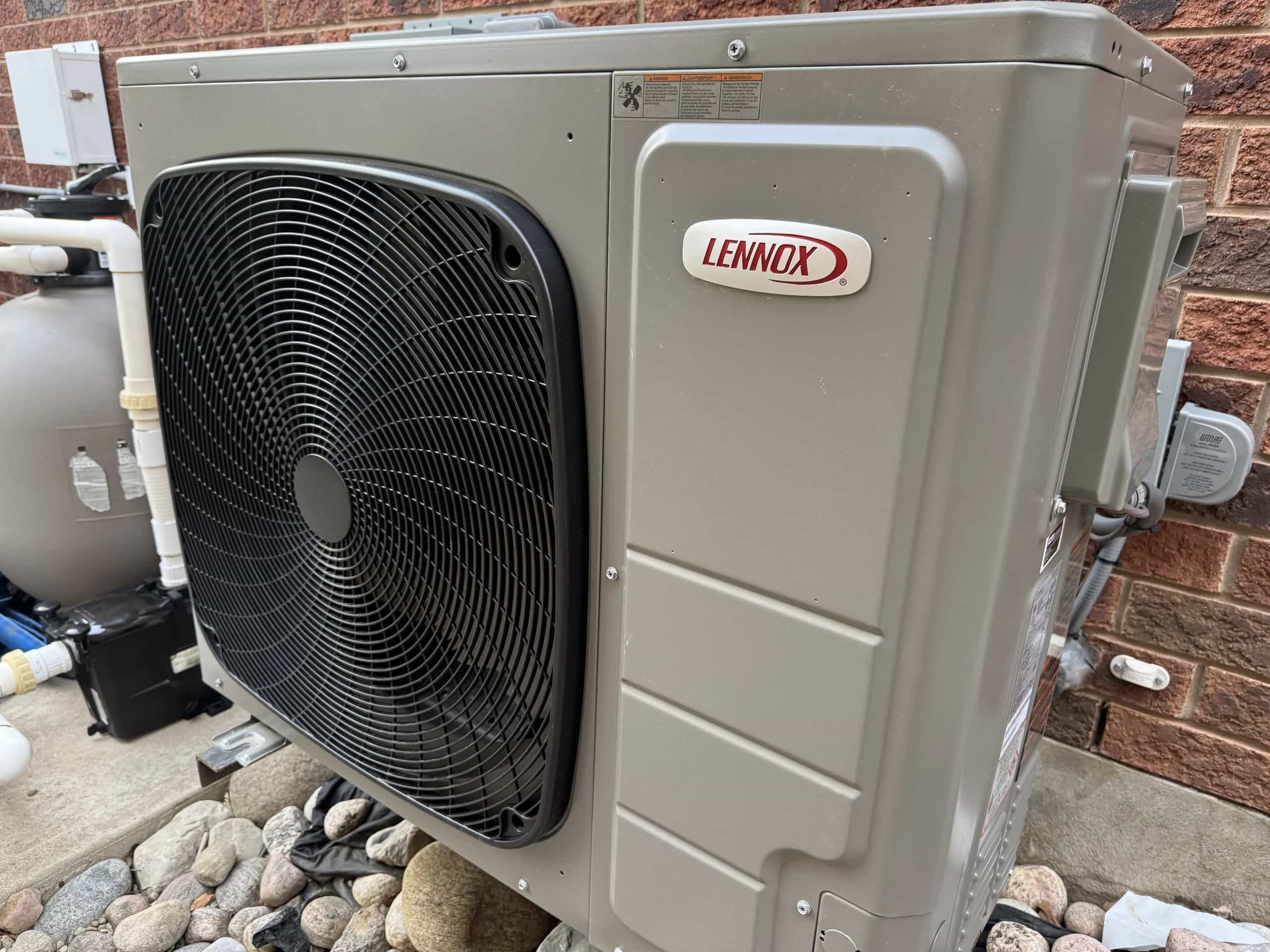
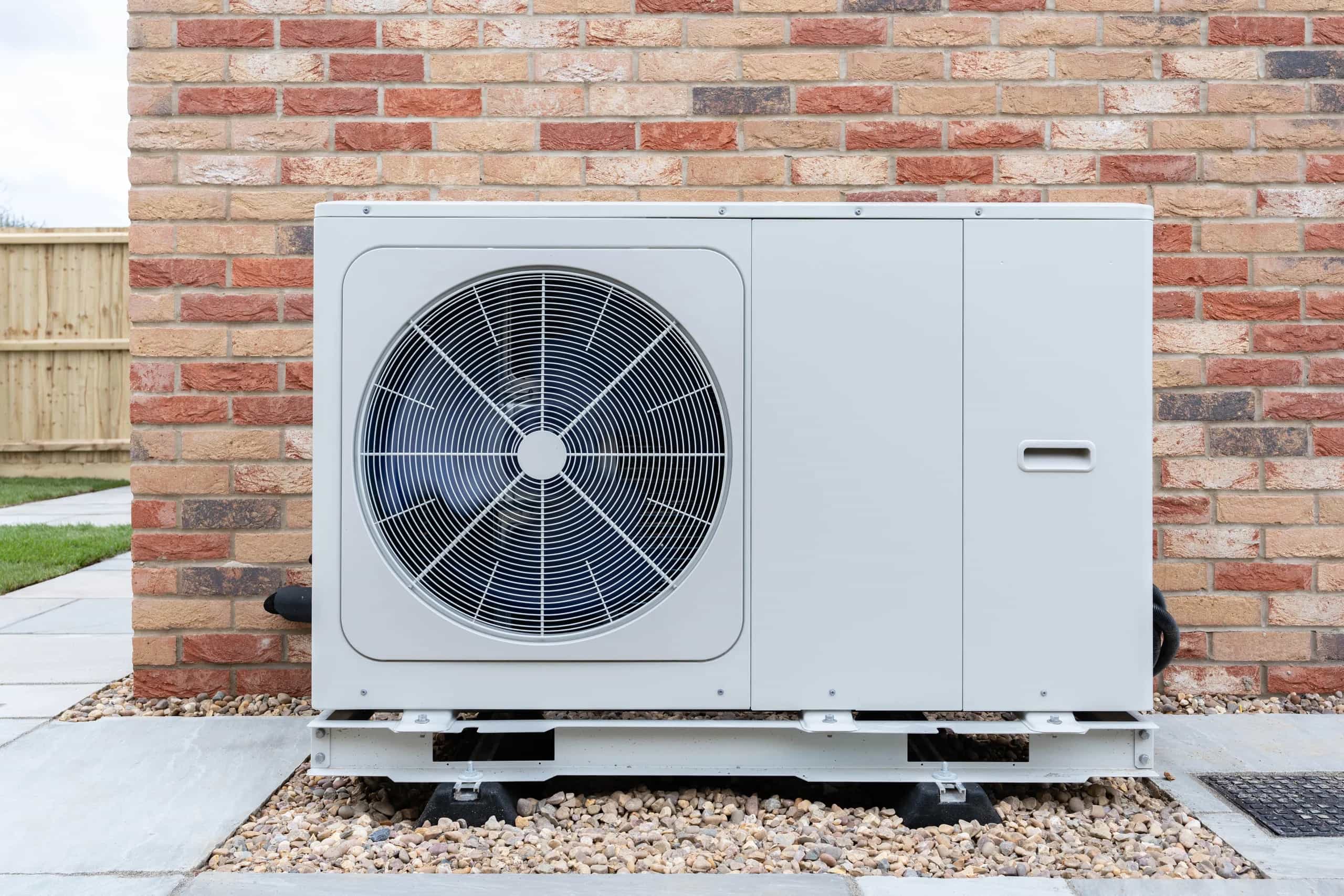
Heat pump rebates are among the largest incentives in HRSP, and they also have the most “if/then” rules because the program distinguishes between different baselines (fuel type, grid connection, and in some cases gas utility service). The program details define these conditions on the HRSP Help and Support page while specifying eligible home types, occupancy requirements for new homes, first-time heat pump installation rules, and the way incentives are calculated by tonnage and baseline fuel.
A practical eligibility checklist you can use before you get quotes:
Home and ownership basics
- You’re the property owner (tenants generally can’t apply for major measures)
- Your home type fits eligible categories (single/semi/row/townhouse/mobile on permanent foundation)
- If the home is newly built, you’ve met the minimum occupancy period before applying
Utility and fuel baseline basics
- You meet the program’s criteria based on how your home is heated (natural gas vs. electricity/oil/propane/wood) and your utility situation, including flagged exceptions such as Cornwall Electric customers
Equipment basics
- It’s a qualifying cold-climate air-source or ground-source heat pump
- It’s a first-time space-heating heat pump in the home
- The model appears on Natural Resources Canada’s qualified products list (often referenced as NRCan once introduced)
Heat Pump Incentives: Why “Tonnage” And Baseline Matter
To make the incentive math easier to visualize, here are simplified planning examples based on the program’s common tonnage-based structure.
If you’re comparing contractor quotes, ask them to state the proposed system tonnage explicitly and confirm the model’s listing status before you assume a rebate number.
Solar Panels And Battery Storage: Straightforward Category, Still Documentation-Heavy
Solar and battery rebates are often attractive because they can be a single, high-impact project. The practical difference is that your “proof package” typically needs to be clean: invoices, installation confirmation, and any program-specific forms.
Smart Thermostats: Two Application Styles, One Lifetime Limit
Smart thermostat rebates can look simple on the surface, but homeowners commonly miss the structure: there may be a “before you buy” discount-code path and an “after you buy” receipt submission path, and the program may limit the number of thermostat rebates per household over the program’s lifetime.
Appliances: Fast Wins If You Pick Eligible Models And Apply On Time
Appliance rebates are best treated as a “high-efficiency model” incentive rather than a general discount, and timing matters because the submission window can be tight. John Jordan’s announcement describes HRSP as a streamlined “one-window” offering and confirms appliances as part of the program in the news release post while summarizing eligible upgrade categories and the program’s intent.
Attic Insulation Without An Assessment: Contractor-Only, No DIY
Attic insulation is one of the most common upgrades homeowners plan, and HRSP includes a no-assessment option in many cases. The key constraints are that rebates are often calculated as a percentage of total cost up to a cap, the cap can vary by attic type (typical vs. flat/cathedral), and the work must be completed by participating contractors—DIY installations don’t qualify.