Professional Roof Inspections in Canada: What’s Checked, How Often, and How to Avoid Expensive Surprises
A Practical Guide for Canadian Homeowners to Protect Roofs, Warranties, and Budgets
By
Published: March 12, 2026
Updated: March 15, 2026
Credit: Homeowner.ca
Key Takeaways
•Regular professional roof inspections are one of the most cost-effective ways to prevent leaks, interior damage, and surprise roof replacements.
•In Canada, best practice is to combine routine seasonal inspections with extra checks after major storms, and to increase frequency as your roof ages.
•The inspection report you receive is not just paperwork—it is evidence for warranties, a roadmap for repairs, and a planning tool for future roof replacement.
In most Canadian homes, the roof only becomes “visible” when something goes wrong: a water stain on the ceiling, a draft you cannot explain, or shingles on the lawn after a storm. Yet your roof is one of the hardest‑working parts of your home, quietly keeping out snow, rain, wind, and summer heat for decades at a time. The question is not whether it will ever wear out, but whether you will catch problems early enough to control the cost and timing of repairs.
A professional roof inspection is how you stay ahead of those problems. Instead of a quick glance from the driveway, a trained roofing contractor performs a structured evaluation of your roof system: the visible surfaces, the flashings and penetrations, the drainage, and even signs of moisture inside the home. The goal is to find small defects and early wear long before they turn into leaks, mould, or structural damage.
Canadian industry guidance emphasizes that roof performance is not just about good materials and installation. The Canadian Roofing Contractors Association explains that a roof reaches its expected service life only when a preventative maintenance program—built around regular inspections and corrective repairs—is in place after installation, with inspections completed twice a year and after major weather events through a program of roofing preventative maintenance managed by the Canadian Roofing Contractors Association. When defects are ignored, the same guidance warns that water infiltration can damage roofing components, interior finishes, furnishings, and even electrical or mechanical systems, with repairs easily costing tens of thousands of dollars.
Canadian insurers echo that message. Aviva Canada notes that building managers should perform full visual roof inspections at least twice a year—ideally in the fall and spring—and after severe weather events, because regular inspections and simple maintenance significantly reduce the risk of expensive damage according to Aviva Canada. While that article speaks to commercial buildings, the same principle applies to residential roofs: a small amount of inspection and upkeep is much cheaper than an emergency replacement and interior remediation.
This guide is designed for Canadian homeowners who want clear, practical answers. You will learn what professional inspectors actually look for, how often you should schedule inspections at different roof ages, when to call after storms, and how to use inspection reports to support warranties and long‑term planning. By the end, you should be able to turn an abstract idea—“I should probably get the roof checked”—into a concrete, realistic plan for your home.
Advertisement — Article Continues Below
Why Professional Roof Inspections Matter in Canada
How Inspections Protect Your Home and Budget
If you own a home in Canada, your roof lives through freeze–thaw cycles, heavy snow loads, wind‑driven rain, ice storms, and intense summer sun. Over time, that combination will break down even the best roofing system. The question is whether deterioration is caught in the “cheap to fix” phase or only after it has spread into the structure and interior.
The Canadian Roofing Contractors Association describes how a preventative maintenance program combines regular inspections with timely repairs so the roof can perform for its intended service life, rather than failing prematurely due to avoidable issues according to the Canadian Roofing Contractors Association. Their guidance highlights a long list of stressors that affect roofs: ultraviolet exposure, wind, rain, snow, temperature swings, air pollution, structural movement, biological growth, design flaws, manufacturing defects, and simple lack of maintenance. Any one of these can start a problem that only shows up years later as a leak.
The stakes are high. The same bulletin explains that when defects are left unattended, moisture can penetrate the roofing system, corrode decking and fasteners, and damage interior finishes, furnishings, inventory, and electrical or mechanical systems, with repairs potentially costing tens of thousands of dollars as noted by the Canadian Roofing Contractors Association. At that point, you are not just paying for roofing work; you may be dealing with drywall replacement, mould remediation, damaged flooring, and disrupted living arrangements.
A Canadian insurer’s view reinforces the financial side. Aviva Canada advises that at least twice‑yearly roof inspections, combined with checks after severe weather, allow owners to address maintenance issues before they become big problems and help ensure the roof lasts for its designed lifespan and beyond according to Aviva Canada. Put differently, inspections convert unpredictable, emergency expenses into planned, manageable maintenance.
Finally, there is the safety and health angle. Moisture that enters through the roof can result in mould growth, compromised indoor air quality, and deterioration of structural elements, concerns highlighted in the Canadian Roofing Contractors Association’s discussion of moisture in roofing systems within the Roofing Preventative Maintenance technical bulletin. A small stain today can be an early warning sign of a much larger—and more expensive—problem tomorrow.
A helpful way to see the value of inspections is to compare what is at risk if you never look at the roof until it leaks.
Area Affected
Example Issue Without Inspections
Likely Impact on You as a Homeowner
Roof system itself
Undetected cracked shingles and failing flashings
Shortened roof life; premature, full replacement instead of smaller repairs
Building structure
Long‑term moisture in decking and framing
Structural repairs, potential safety risks
Interior finishes
Hidden leaks behind walls or above ceilings
Drywall replacement, repainting, flooring damage
Mechanical/electrical
Water reaching electrical or HVAC components
Equipment replacement, safety hazards
Household disruption
Emergency leak response during winter storm
Sudden hotel stays, insurance deductibles, time off work
Financial planning
Roof fails years earlier than expected
Unplanned five‑figure expense, possibly at a bad time financially
Important
If you already see water stains, sagging drywall, or active drips, you are in the “damage control” phase, not the “prevention” phase. In that situation, skip DIY diagnosis and call a qualified roofing contractor for a professional inspection as soon as possible.
Advertisement — Article Continues Below
Professional Versus DIY Roof Inspections
Why a Trained Roofing Contractor Sees More Than You Can from the Ground
Most homeowners do some kind of informal monitoring: looking at the roof from the driveway, checking the attic once in a while, or glancing at shingles after a storm. Those habits are useful, but they are not a substitute for a professional inspection.
The Canadian Roofing Contractors Association is clear that inspections should be undertaken by a qualified, trained roofing contractor who can properly assess the condition of roofing components, identify defects, and perform necessary repairs as outlined by the Canadian Roofing Contractors Association. That is because many problems are subtle: a slightly open seam in flashing, early blistering of a membrane, or a minor drainage issue that will become ponding water next spring.
Professional inspectors also operate within formal standards. The National Roof Certification and Inspection Association explains that its members must complete training, agree to strict NRCIA standards and a code of ethics, and are licensed annually to perform roof inspections and issue certifications, with inspections generating detailed reports that help evaluate roof systems as described by the National Roof Certification and Inspection Association. While NRCIA is a U.S.‑based organization, its description of certified inspections illustrates what “professional” means in practice: training, accountability, and documented findings.
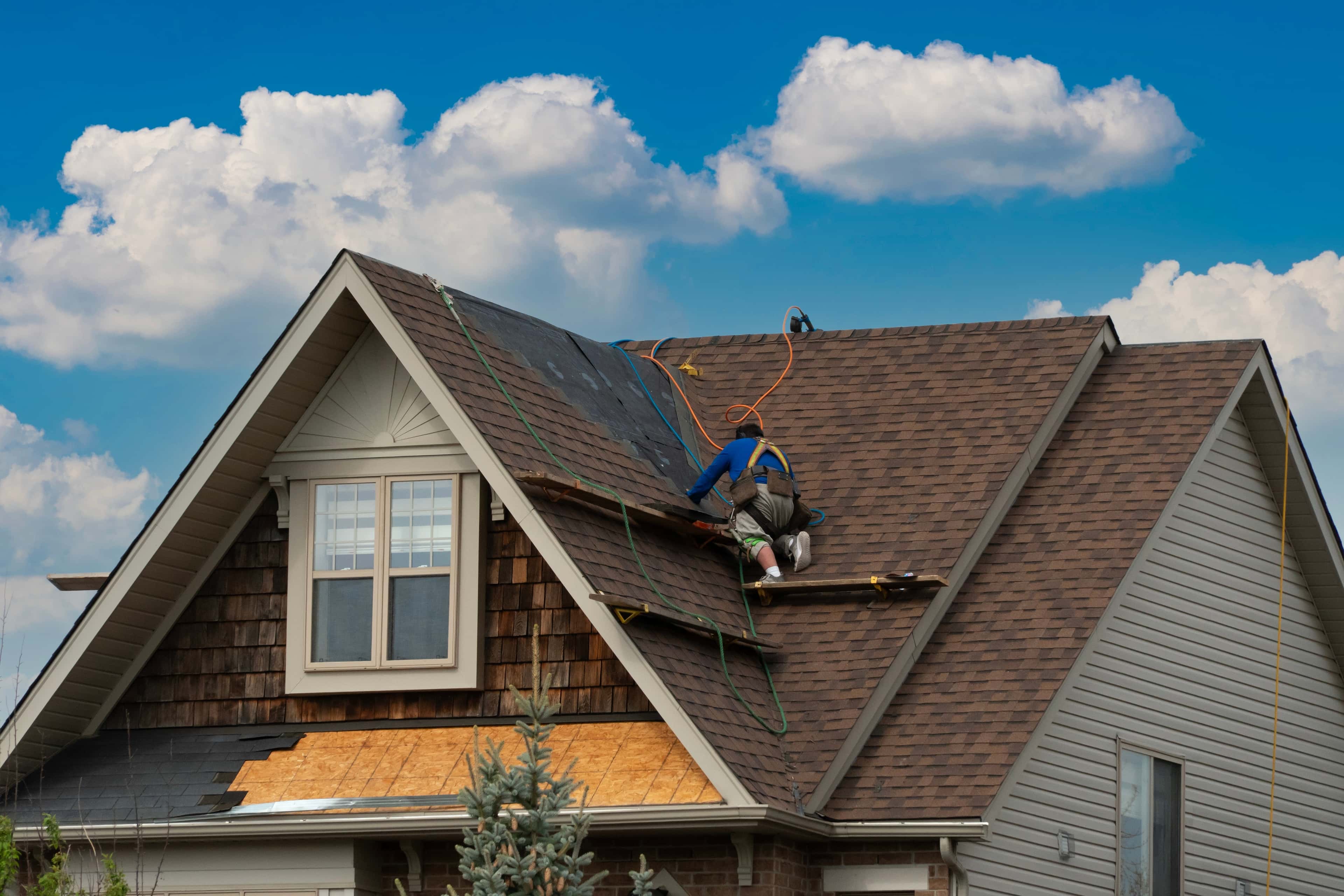
Safety is another major distinction. The Canadian Roofing Reference Manual introduction notes that it provides in‑depth technical information alongside sections on general work and equipment safety for roofing projects, serving as a reference for roofers to work safely and effectively according to the Canadian Roofing Contractors Association. Climbing on a roof without fall protection, proper footwear, and experience is one of the most dangerous DIY tasks a homeowner can attempt, especially on steep or icy roofs.
Here is a side‑by‑side view of DIY checks versus a professional inspection:
Full access to all slopes, valleys, penetrations, and often attic/interior spaces
Components assessed
Visible shingles, maybe gutters
Shingles or membrane, flashings, penetrations, drainage, structure, interior signs
Diagnostic tools
Naked eye, smartphone camera
Cameras, moisture assessment, close‑up inspection, sometimes drones and other tools
Ability to diagnose cause
“Something looks off”
Identifies root cause: design issue, material failure, wear, or installation defect
Documentation
Informal photos or notes
Written report with photos and repair recommendations
Warranty value
Limited (insurers and manufacturers prefer pro evidence)
Strong evidence for warranty claims and maintenance records
Tip
Use DIY checks to spot obvious changes from the ground—missing shingles, sagging gutters, stains inside—but treat them as triggers to call a professional, not as a replacement for a full inspection.
What Gets Checked During a Professional Roof Inspection
From Shingles to Ceiling Stains: A System‑by‑System Walkthrough
A good roof inspector does not just “look at the shingles.” They examine the roof as a complete water‑management system, starting inside the building and working outward.
The Canadian Roofing Contractors Association notes that a typical inspection should include reviewing interior walls and ceilings for water staining, checking exterior walls for cracking and signs of moisture, and examining the roof membrane, flashings, and penetrations, not just the visible surface according to the Canadian Roofing Contractors Association. That interior‑to‑exterior sequence helps identify leaks that may not yet be obvious from the roof surface.
Canada Sky Drone Services describes a comprehensive inspection as assessing material condition (cracks, lifting, curling, and aging), flashings around edges and penetrations, roof penetrations like skylights and vents, ventilation effectiveness, and previous repairs to evaluate the whole system rather than isolated defects as outlined by Canada Sky Drone Services. Their guide also highlights the value of aerial or drone‑assisted views for hard‑to‑reach areas and complex roofs.
On the commercial side, Holcim Elevate explains that a seasonal roof inspection involves looking for tears, splits, punctures, other physical damage, and ensuring that drains and gutters are functioning properly, followed by a comprehensive report with recommended repair or restoration options according to Holcim Elevate. Again, while this guidance is aimed at commercial roofs, the underlying principles apply directly to large residential roofs and multi‑unit buildings.
Putting these together, a typical professional inspection for a Canadian home often includes:
Area / System
What the Inspector Looks For
Why It Matters
Interior ceilings and walls
Water stains, bubbling paint, discolouration, mould odours
Early signs of leaks before they become obvious or widespread
Attic and roof structure
Moisture on rafters or decking, mould, inadequate ventilation, damaged insulation
Reveals hidden leaks, condensation issues, and structural concerns
Roof covering (shingles/membrane)
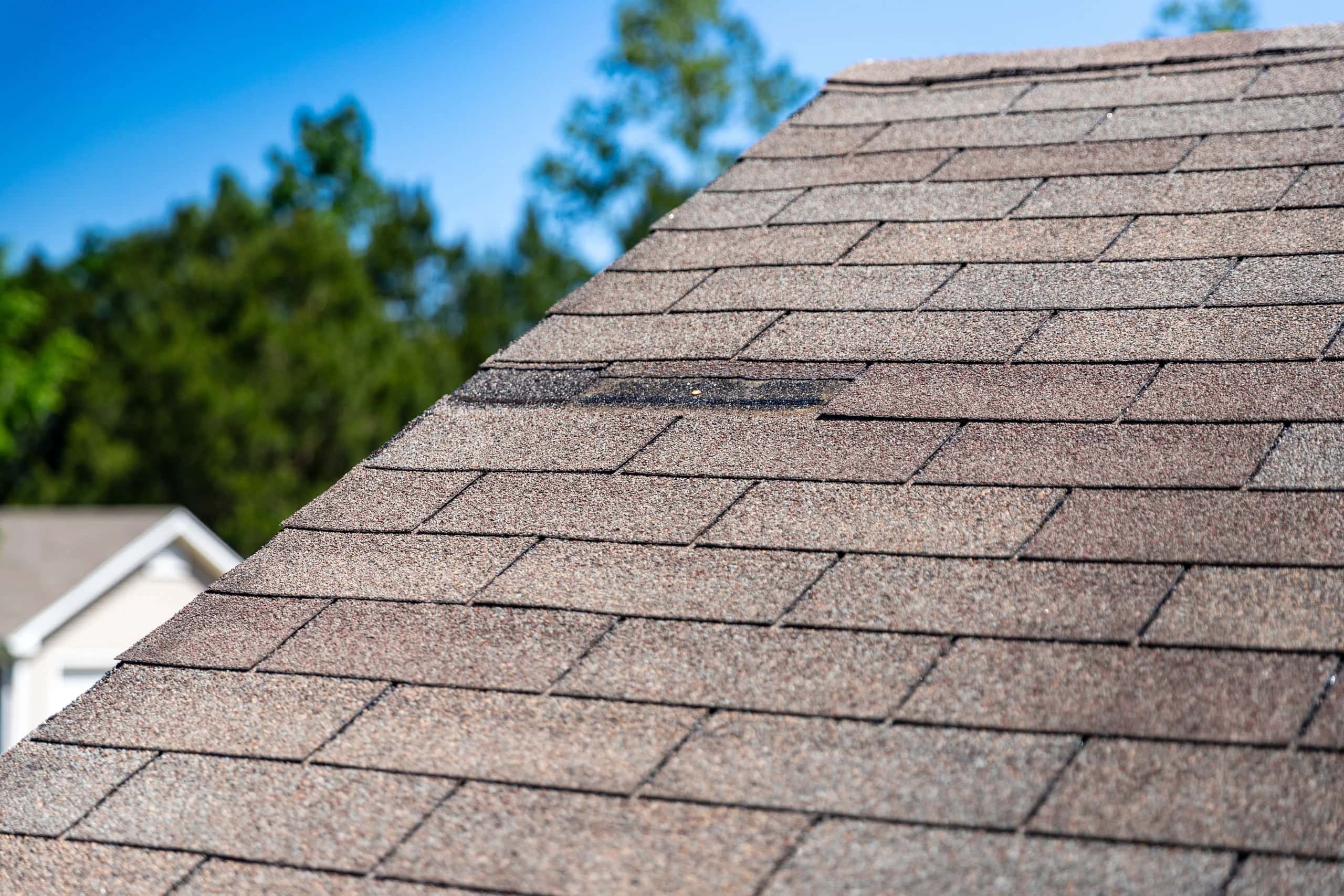
Cracked, curled, or missing shingles; blisters; surface wear; exposed fasteners
Direct indicator of weathering, storm damage, and end‑of‑life conditions
Flashings
Rust, gaps, lifting, or poor detailing around chimneys, vents, skylights, and walls
Flashing failures are one of the most common sources of leaks
Roof penetrations
Condition of boots, seals, and flashing at pipes, vents, and skylights
Weak points where water can enter if details are compromised
Eaves, valleys, and edges
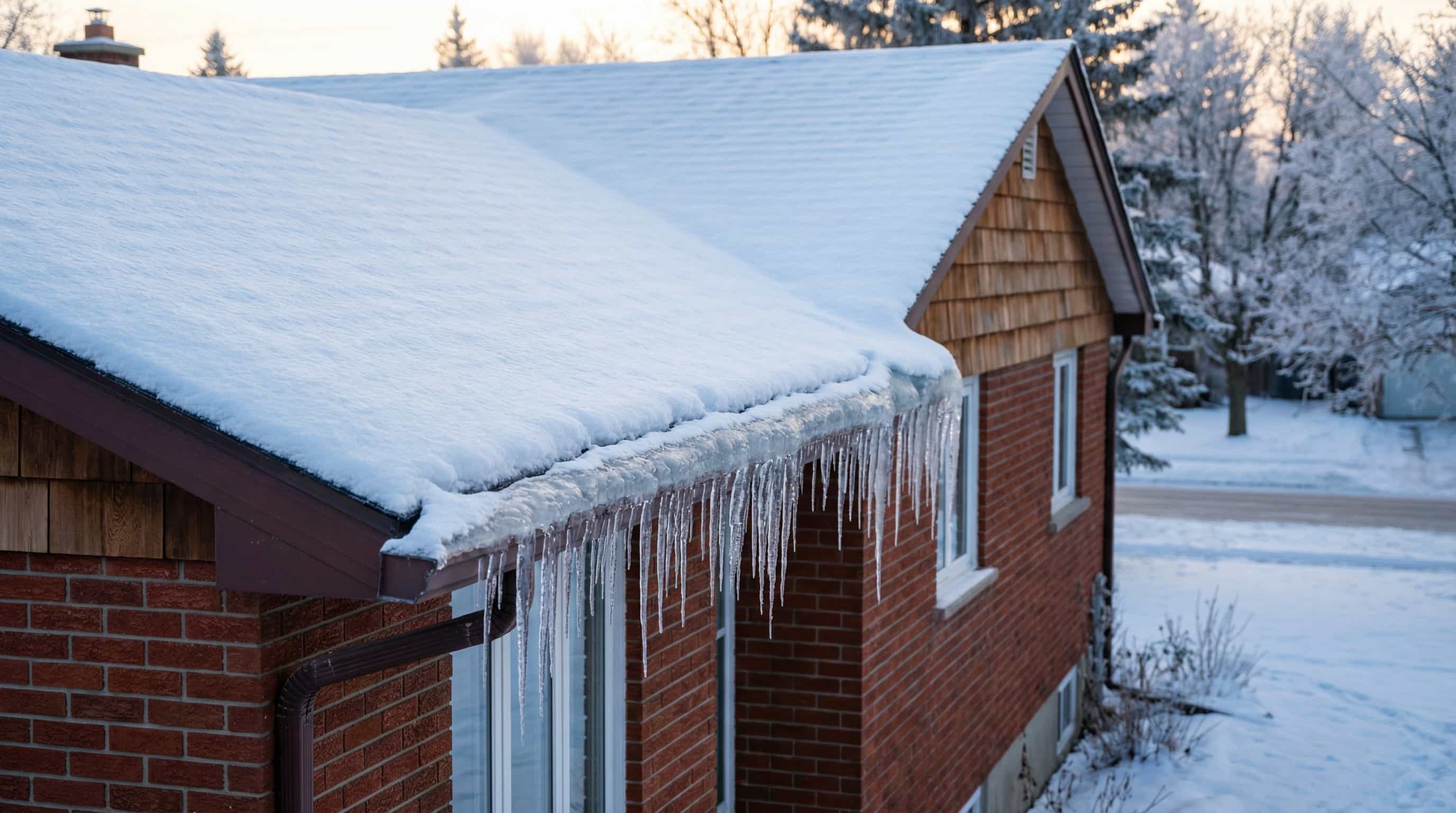
Ice‑dam scarring, shingle distortion, trapped debris, metal edge condition
Critical areas for snow and water management
Gutters and downspouts
Clogs, standing water, improper slope, loose fasteners, pull‑away from fascia
Poor drainage can cause leaks, ice build‑up, and foundation issues
Standing water accelerates roof covering deterioration and increases leak risk
Previous repairs
Quality of past patches, sealed seams, replaced sections
Weak or temporary fixes may fail earlier than the rest of the roof
Surrounding site
Overhanging trees, wind exposure, snow load accumulation zones
Helps identify external risks and recurring problem areas
Canada Sky Drone Services further notes that red‑flag signs—such as leaks or water spots on ceilings and walls, cracked or missing shingles, damaged or detached flashing, debris buildup, gutters pulling away, dark moisture stains, condensation around skylights or vents, and sagging or warped decking—should prompt a roof inspection rather than DIY monitoring according to Canada Sky Drone Services. Those are the kinds of issues professionals are trained to investigate safely and thoroughly.
Note
You can make your inspection more efficient (and often cheaper) by preparing: clear access to the attic, move vehicles away from eaves if debris might fall, secure pets, and have any previous reports or warranty paperwork handy so your inspector can understand the roof’s history.
Advertisement — Article Continues Below
How Often to Book Roof Inspections—and When to Call After a Storm
Building a Practical Inspection Schedule for Canadian Homes
There is no single schedule that fits every home, but credible industry and insurance guidance point in the same direction: you should have a roof inspection at least twice a year, with extra inspections after major weather events, and more frequent checks as your roof ages.
The Canadian Roofing Contractors Association recommends that inspections be completed twice a year—in the spring and fall—and also after any major weather events such as heavy rains, high winds, and ice storms within a preventative maintenance program described by the Canadian Roofing Contractors Association. That timing lines up with Canadian seasons: inspect after winter to catch cold‑weather damage, and again in the fall before snow and ice arrive.
Holcim Elevate reiterates that the Canadian Roofing Contractors Association recommends routine inspections and maintenance twice annually, usually in the spring and fall, and adds that major storms—heavy snow, ice, hail, and strong winds—are separate triggers for additional inspections so owners can catch damage early according to Holcim Elevate. For many Canadian homeowners, “storm‑triggered inspections” will be just as important as routine seasonal visits.
On the residential side, A. Clark Roofing & Siding advises homeowners to inspect roofs at least once a year in the fall to prepare for winter and, if possible, again in the spring, and to arrange inspections immediately after extreme weather events such as heavy hail or high windstorms according to A. Clark Roofing & Siding. They specifically note that frequent snowstorms in cities like Calgary and Edmonton can damage roofs through heavy snowfall and excess moisture, underscoring the importance of timely checks once it is safe to access the roof.
Canada Sky Drone Services offers an age‑based schedule that complements seasonal guidance: new roofs at years 1, 3, and 5; roofs aged 6–10 years every two years; and older roofs (10+ years) annually, with extra inspections after severe weather events as recommended by Canada Sky Drone Services. This reflects the reality that older roofs need more frequent professional attention.
From the insurance perspective, Aviva Canada recommends that building managers perform full visual roof inspections at least twice a year, ideally when the weather changes in the fall and spring, and after severe weather events, to prevent expensive damage according to Aviva Canada. For homeowners, this is a strong signal that regular inspections are not optional “nice‑to‑haves” but a core risk‑management practice.
You can turn all of this into a simple schedule for your home:
Roof Age / Situation
Baseline Frequency
Extra Triggers for an Additional Inspection
Notes for Canadian Conditions
New roof (0–5 years)
At least every 2 years, ideally spring and fall
After any major hail, high‑wind, or ice storm
Also inspect at year 1 and 3 if possible for early workmanship or material issues (aligned with Canada Sky guidance)
Mid‑life roof (6–10 years)
Twice a year (spring and fall)
After storms with hail, high winds, or unusually heavy snow loads
Roof is entering higher‑risk years; prioritize catching small defects quickly
Older roof (10+ years)
At least once a year; twice yearly is better
After any significant storm or visible changes from the ground
Combine inspections with budgeting for eventual replacement
Roof under enhanced manufacturer warranty
Follow warranty terms; often every 1–2 years
After events that could affect warranty coverage (e.g., impact, wind)
GAF notes that failing to maintain the roof properly can void some warranties, making documentation from inspections critical according to GAF
Storms deserve special treatment. Here are common Canadian events and how to respond:
Weather Event
Why It Is a Problem
Recommended Action
Heavy hail
Bruises or cracks shingles, dents flashing and vents
Book a professional inspection as soon as it is safe; A. Clark Roofing & Siding highlights hail as a key trigger for extra checks according to A. Clark Roofing & Siding
High winds / windstorm
Lifts or rips shingles, loosens flashings and edge metal
Have the roof inspected, especially if you see debris or missing pieces from the ground
Ice storm / freezing rain
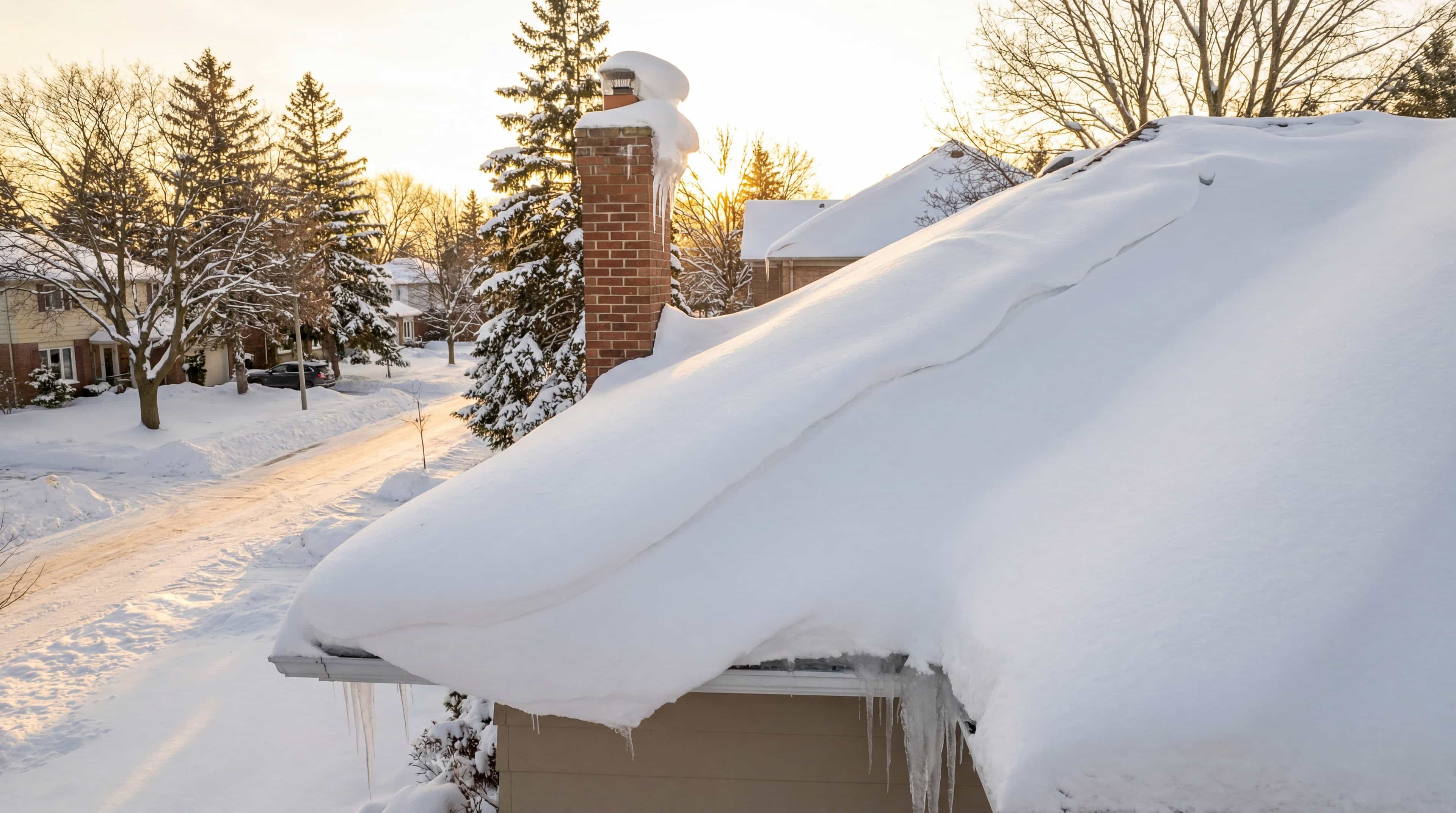
Creates heavy loads, ice dams, and hidden damage under ice
Arrange an inspection once thaw allows safe access
Heavy, repeated snowfalls
Prolonged weight and freeze–thaw cycles stress the roof structure
Inspect after the season or after unusually heavy events
Intense rainstorms
Expose drainage weaknesses, clogged gutters, and small flashings issues
Book an inspection if you notice overflow, interior drips, or new stains
Warning
After severe weather, avoid climbing on the roof yourself—surfaces can be slippery, unstable, or structurally compromised. Use binoculars from the ground for a quick look, then call a professional if you suspect damage.
How to Read, Store, and Use Professional Reports (Including for Warranties)
A professional inspection is only as useful as the report you receive and what you do with it. The best inspectors treat the report as a decision‑making tool, not just a checklist.
Holcim Elevate notes that after a roof inspection, the owner should receive a comprehensive report outlining any issues found, along with suggested solutions such as repair or restoration options, so that problems can be addressed before they escalate according to Holcim Elevate. In practice, a good residential report often includes:
A high‑level summary of the roof’s condition (e.g., “good with isolated defects,” “approaching end of service life”).
Photos showing key problem areas and overall views.
A list of specific defects with locations and descriptions.
Recommended repairs, with relative priority (urgent vs. monitor).
Notes on drainage, ventilation, and attic conditions.
Suggestions for future monitoring or follow‑up inspections.
The National Roof Certification and Inspection Association emphasizes that professional inspections by certified inspectors provide detailed reports intended to help the roof system by documenting conditions and guiding corrective work, as described in their homeowner resources for NRCIA members. This kind of report is valuable well beyond the day of the inspection.
Preventative maintenance guidance from the Canadian Roofing Contractors Association highlights that regular inspections and maintenance not only correct defects before they become costly but also allow for long‑term financial planning and budgeting for roof replacement, including scheduling work at optimal times for cost and building operations according to the Canadian Roofing Contractors Association. As a homeowner, that means you can use inspection findings to estimate remaining roof life and plan savings or financing, instead of being surprised by an urgent replacement.
Roof warranties add another layer of importance to documentation. GAF explains that to be eligible for enhanced manufacturer warranties, homeowners typically must hire a certified contractor, register the warranty properly, and meet ongoing requirements, and that failing to maintain the roof correctly can void some warranties, making regular inspections and cleanings—often every two years—essential as outlined by GAF. They also stress saving proof of purchase, contracts, and receipts, which together show that the roof was installed and maintained according to the warranty’s terms.
If you notice early wear—like significant granule loss, curling shingles, or repeated leaks on a relatively young roof—having professional inspection reports and repair invoices can help you have a more productive conversation with your installer, contractor, or manufacturer about whether a warranty claim is possible. While the outcome will always depend on the specific warranty language and investigation, your documentation is the starting point.
A simple way to stay organized is to build a “roof file” (digital and/or physical) with the following:
Document or Record
Why It Matters
When You Will Use It
Original roof contract and scope
Shows what was installed, when, and by whom
When discussing performance, warranties, or future quotes
Manufacturer warranty documents
Define what is covered, exclusions, and maintenance requirements
Before claiming a defect, planning maintenance, or selling the home
Proof of purchase (invoices, receipts)
Confirms products and services purchased
Required for many manufacturer warranty claims
Professional inspection reports
Provide dated evidence of roof condition and recommended actions
When prioritizing repairs, budgeting, or supporting warranty claims
Photos from inspections and repairs
Visual record of condition over time
Helpful for insurance claims, future contractors, or warranty review
Repair and maintenance invoices
Show that defects were addressed and maintenance requirements were met
Important when a warranty requires proof of proper upkeep
Written communications with contractors
Record of advice, promises, and scope clarifications
Useful if questions or disputes arise later
Tip
Scan or photograph all roof‑related documents and back them up in cloud storage. Give the folder a clear name (for example, “Roof – Installed 2021”) so you can update it after every inspection or repair and share it easily when selling your home.
Advertisement — Article Continues Below
Avoiding Expensive Surprises: A Simple Roof‑Health Strategy for Canadian Homeowners
Putting It All Together in a 10–20 Year Plan
Once you understand what inspections involve and how often to schedule them, you can turn that knowledge into a simple, long‑term strategy. Think of your plan as a combination of routine, event‑based, and lifecycle‑based actions.
1. Establish a baseline.
If you have recently purchased your home—or if you have not had the roof professionally inspected in several years—start with a full professional inspection. Choose a qualified, insured roofing contractor, ideally one who has experience with your roof type and local climate. The baseline report becomes your reference point for future inspections and budgeting.
2. Lock in a seasonal rhythm.
Based on guidance from the Canadian Roofing Contractors Association, Holcim Elevate, and Aviva Canada, aim for inspections in the spring and fall, adjusting frequency as your roof ages in line with the age‑based recommendations from Canada Sky Drone Services presented by Canada Sky Drone Services. At minimum:
Fall: Confirm the roof is ready for snow, ice, and Chinook‑style temperature swings where applicable.
3. Add event‑based triggers.
Overlay seasonal inspections with storm‑based triggers:
Hail storms with visible impact on cars, siding, or neighbours’ roofs.
High‑wind events that move outdoor furniture or break branches.
Unusually heavy or prolonged snow accumulation.
Ice storms or freezing rain that leave thick glaze on surfaces.
For each of these, plan at least a professional assessment, even if it is a focused post‑storm inspection rather than a full diagnostic.
4. Integrate warranties and documentation.
If your roof is under a manufacturer’s enhanced warranty, identify any maintenance or inspection requirements. GAF, for example, notes that skipping required maintenance or using unapproved contractors for service can jeopardize coverage, and recommends regular inspections and cleanings—often every two years—using the installing contractor according to GAF. Align your schedule with those requirements and keep all related documentation in your roof file.
5. Plan for eventual replacement.
Even with perfect maintenance, every roof reaches end of life. The Canadian Roofing Contractors Association points out that regular maintenance and inspections help maximize long‑term performance and allow owners to plan and budget for replacement, rather than reacting to a crisis according to the Canadian Roofing Contractors Association. Use inspection reports to track trends—more frequent leaks, growing areas of deterioration, or recommendations to replace rather than repair—and start financial planning several years before replacement is required.
A simple multi‑year plan might look like this:
Timeframe
Key Actions
Outcome You Are Aiming For
Year 0–1 (new or unknown roof)
Baseline professional inspection; create roof file; confirm warranties
Clear understanding of roof condition and obligations
Years 1–5
Spring and fall inspections; storm‑triggered checks; address defects promptly
Stable performance and strong documentation trail
Years 6–10
Maintain twice‑yearly inspections; consider more frequent checks for complex roofs; update remaining‑life estimates
Early detection of age‑related issues and realistic replacement horizon
Years 11–15+
At least annual inspections, ideally still twice‑yearly; request explicit replacement timing guidance from inspector
Smooth transition to planned replacement rather than emergency failure
At sale or refinance
Provide inspection history, repairs, and warranties to buyers or lenders
Demonstrate that the home has been proactively maintained and reduce surprises in buyer inspections
Note
Many homeowners ask, “Isn’t all of this overkill?” The answer depends on your risk tolerance. But given that roof failures can easily push into five‑figure costs plus disruption, a routine of professional inspections and small repairs is typically one of the highest‑ROI maintenance strategies you can adopt.
About the Author
Ryan May
Senior Contributor / Founder
Ryan is the founder of Homeowner.ca and a proud Canadian homeowner based in Guelph, Ontario. Over his 25-year career in digital publishing, he has focused on transforming complex information into clear, practical guidance that helps people make confident, well-informed decisions.
DIY checks are very helpful for spotting obvious changes—missing shingles, sagging gutters, or new interior stains—but they cannot replace a professional inspection. Industry guidance from the Canadian Roofing Contractors Association stresses that inspections should be performed by qualified, trained roofing contractors who can properly assess all components and identify subtle defects according to the Canadian Roofing Contractors Association. Think of your own checks as early‑warning signals and professional inspections as the diagnostic work‑up.
A practical rule is twice a year—spring and fall—plus after major storms. That approach aligns with guidance from the Canadian Roofing Contractors Association, Holcim Elevate, and Aviva Canada, all of which emphasize seasonal inspections and extra checks after severe weather as a preventive measure according to Holcim Elevate and Aviva Canada. Older roofs or roofs in particularly harsh microclimates may benefit from even more frequent inspections.
Yes, in principle. Many Canadian resources aimed at commercial buildings—such as Holcim Elevate and Aviva Canada—recommend twice‑yearly inspections and additional checks after severe weather, advice that transfers well to residential roofs according to Holcim Elevate and Aviva Canada. The specific details of membranes and drainage might differ, but the inspection mindset is the same.
Canada Sky Drone Services suggests inspecting new roofs at years 1, 3, and 5; roofs aged 6–10 years every two years; and roofs over 10 years annually, with extra inspections after severe weather as described by Canada Sky Drone Services. That age‑based pattern works well alongside seasonal inspections: as the roof gets older, you tighten the inspection interval.
A properly conducted inspection should not damage your roof. Professional inspectors are trained to walk on roof surfaces carefully, use appropriate access points, and avoid unnecessary traffic. In some cases—especially for complex or fragile roofs—drone‑assisted inspections can reduce the need for walking on the roof altogether, an approach noted as increasingly common by Canada Sky Drone Services.
Many manufacturer warranties specify that the roof must be properly maintained and may require regular inspections or prohibit unapproved repairs. GAF, for example, explains that you can void some extended warranties if you do not maintain your roof properly and recommends regular inspections and cleanings—often every two years—performed by the installing contractor, with proof of purchase and maintenance records kept on file according to GAF. Always read your specific warranty and align your inspection schedule accordingly.
At minimum, expect a written report summarizing roof condition, listing defects, and recommending repairs, ideally with photos. Holcim Elevate notes that a comprehensive report outlining issues and proposed solutions is standard after commercial inspections, a model that good residential inspectors follow as well according to Holcim Elevate. If your inspector only offers a verbal summary, ask for written documentation.
Look for a combination of experience, references, insurance, and training. The National Roof Certification and Inspection Association describes how its members must complete training, adhere to standards and a code of ethics, and provide detailed reports, illustrating what professionalism looks like in practice according to the National Roof Certification and Inspection Association. In Canada, you can also check whether the contractor belongs to reputable associations such as the Canadian Roofing Contractors Association or established regional groups, and ask for references from similar projects.
Interior water stains, active drips, bulging drywall, repeated tripped breakers near ceiling fixtures, sagging roof lines, or visible deck warping are urgent red flags. Canada Sky Drone Services lists leaks or water spots on ceilings and walls, cracked or missing shingles, damaged flashing, dark moisture stains, condensation around skylights or vents, and sagging decking as indicators that a roof inspection is needed right away according to Canada Sky Drone Services.
Typically, routine inspections and maintenance are considered part of normal homeownership and are not covered, although inspections performed as part of a claim investigation may be treated differently. Insurers such as Aviva Canada emphasize that regular inspections can prevent costly problems, suggesting they see inspections as a form of risk management rather than a claimable expense according to Aviva Canada. Check your specific policy or speak with your broker for details.
Yes. Early inspections can catch installation issues, minor defects, or damage from other trades or storms that occur shortly after installation. Canada Sky Drone Services recommends inspections at years 1, 3, and 5 for new roofs, in addition to seasonal checks, reflecting the importance of validating performance early on according to Canada Sky Drone Services. Early documentation is also very useful if you ever need to pursue a workmanship or product warranty issue.
A well‑documented history of professional inspections and repairs can reassure buyers and reduce surprises during their own home inspection. The Canadian Roofing Contractors Association points out that regular maintenance and inspections support long‑term planning and budgeting for roof replacement, which makes future costs more predictable according to the Canadian Roofing Contractors Association. Sharing that information can strengthen your negotiating position and may help avoid last‑minute price reductions tied to roof uncertainty.
Drone‑assisted inspections can be extremely useful, especially for hard‑to‑reach or steep roofs. Canada Sky Drone Services describes how drones and other tools allow inspectors to evaluate every aspect of a roof system thoroughly according to Canada Sky Drone Services. However, you still want an inspector with roofing expertise who can interpret what the images show and recommend practical repairs, whether they work for a roofing company or a specialized inspection firm.
Reference documents such as the Canadian Roofing Reference Manual provide in‑depth best practices and technical information on installation, safety, and roofing systems in Canada, and are used to support training and on‑site decision‑making for roofers according to the Canadian Roofing Contractors Association. While homeowners will not usually read these manuals directly, they underpin the standards your contractor or inspector should be following.
Yes, especially when they identify moisture problems before they spread. The Canadian Roofing Contractors Association explains that unattended defects can allow moisture to damage decking, structural elements, interior finishes, furnishings, and electrical or mechanical systems, with rectification costs potentially reaching tens of thousands of dollars, making regular inspections a highly cost‑effective safeguard according to the Canadian Roofing Contractors Association.
It depends on roof size, complexity, and access, but many residential inspections fall in the one‑to‑three‑hour range, plus time to prepare the report. Inspections that include attic access, extensive photo documentation, or post‑storm assessments of many small issues may take longer, especially when the inspector is following comprehensive checklists similar to those described in resources from A. Clark Roofing & Siding and Canada Sky Drone Services according to A. Clark Roofing & Siding and Canada Sky Drone Services.
Absolutely. Because Canadian guidance frequently anchors roof inspections to seasonal change—particularly spring and fall—it is efficient to coordinate roof inspections with gutter cleaning, exterior wall checks, and other seasonal tasks, a pattern reflected in recommendations from A. Clark Roofing & Siding and Aviva Canada according to A. Clark Roofing & Siding and Aviva Canada. Bundling tasks can reduce service calls and keep your home’s exterior systems aligned.