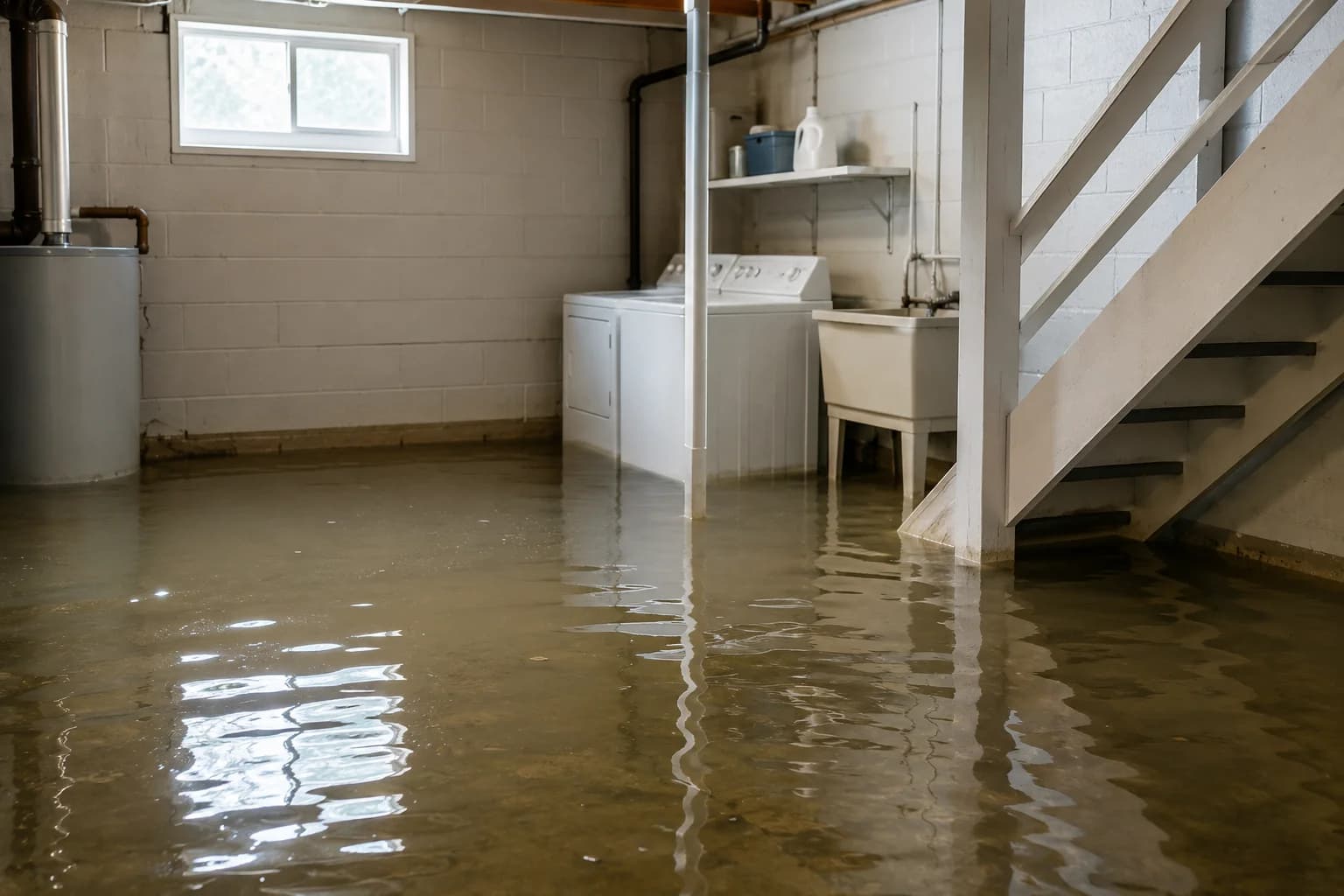
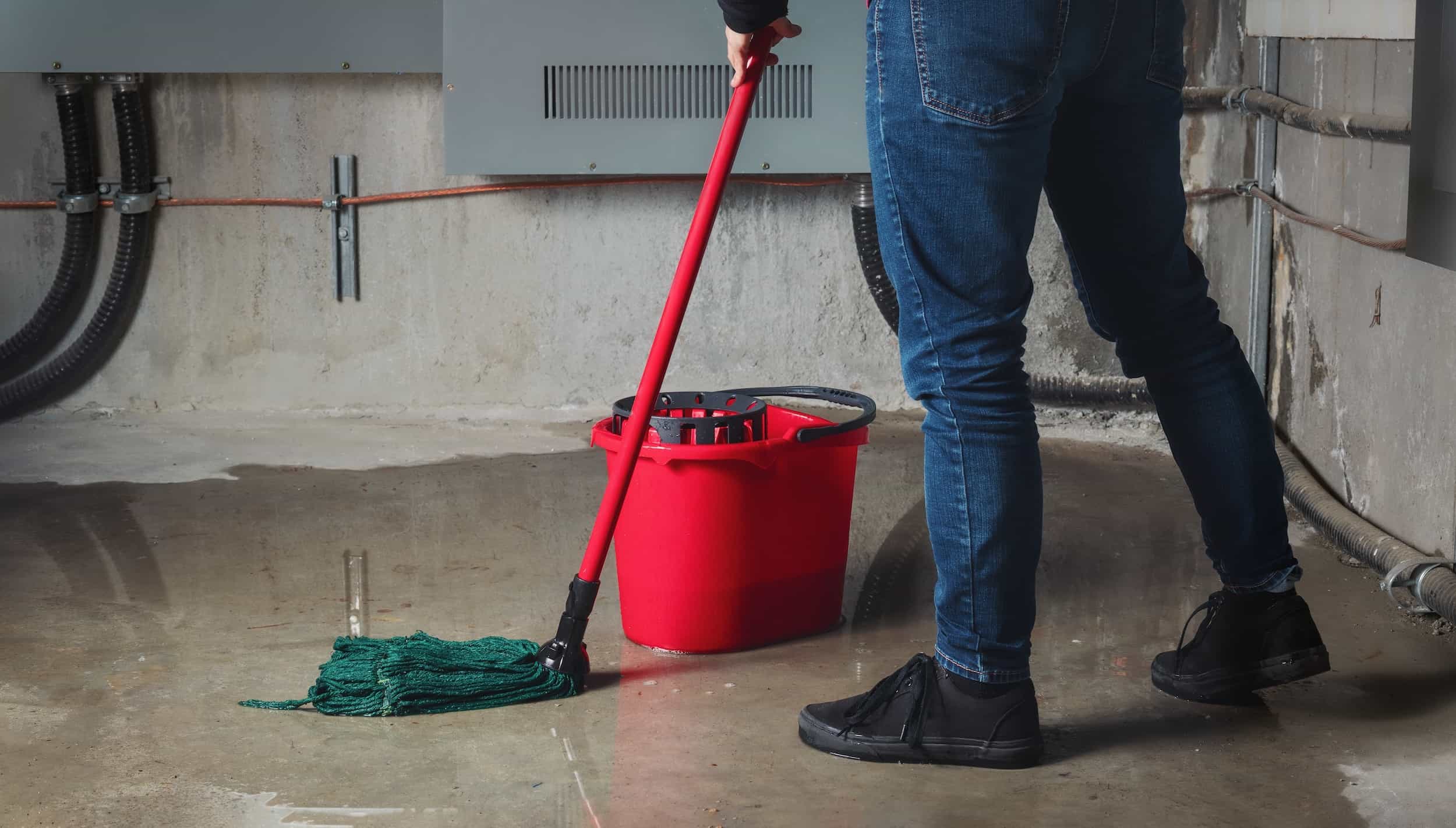
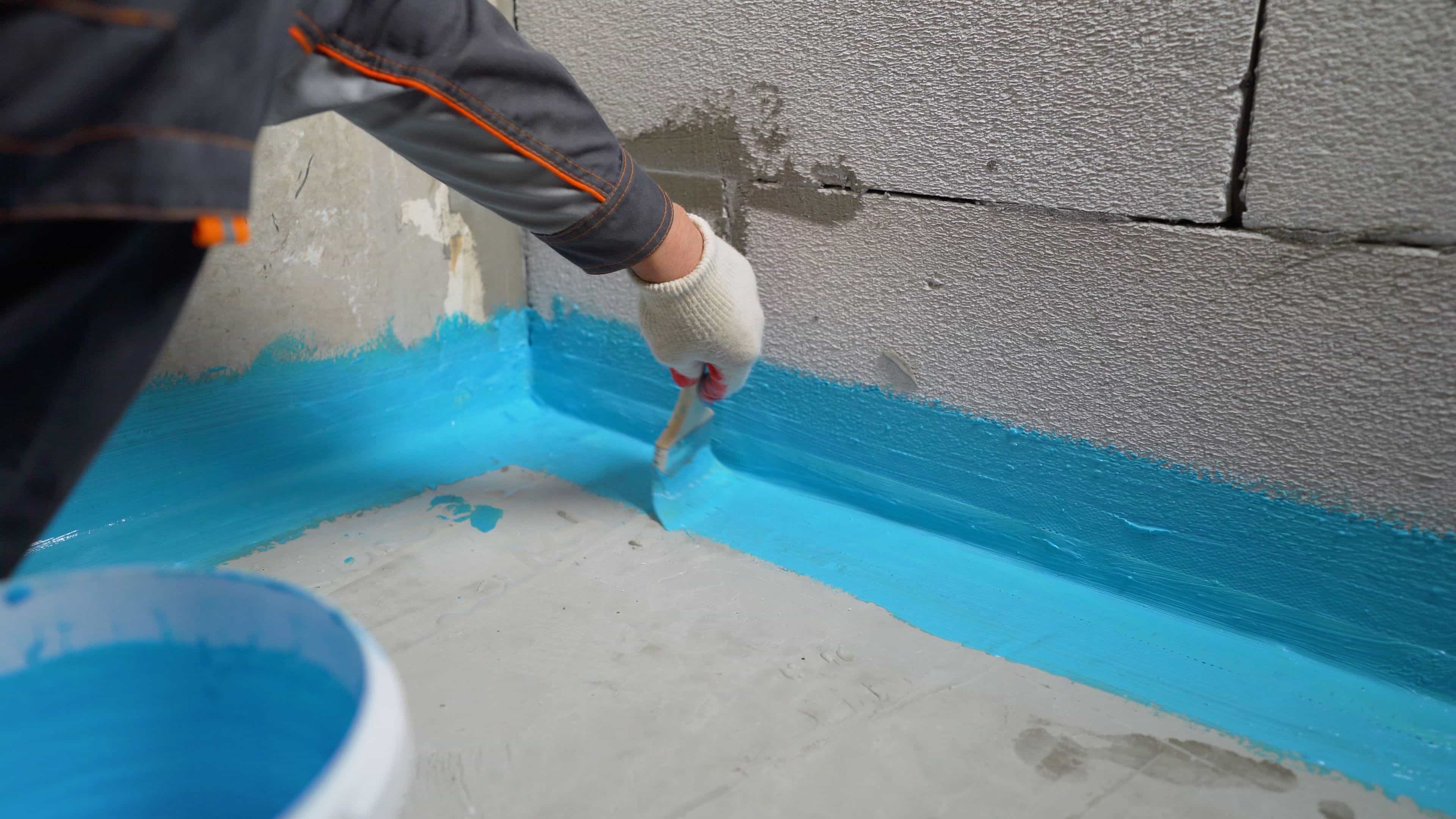
Mould is not only a cosmetic nuisance, and it helps to know why we treat it so seriously. Damp conditions and mould growth in a home are linked to eye, nose, and throat irritation, coughing, wheezing, and worsening asthma, and the risk runs higher for infants, children, older adults, pregnant people, and anyone with a respiratory condition. If someone in your home develops symptoms, a chat with a healthcare professional is the right next step. Keeping the space dry is not fussiness—it is looking after the people who live there.
Cleaning Small Areas Safely
If a small patch of mould does appear, you can often handle it yourself with the right approach. Clean washable, non-porous surfaces with unscented soap and water and dry them quickly and thoroughly. Skip the bleach, which is not recommended for mould cleanup, and know that painting over a mouldy surface only hides it rather than removing the health risk. Wear the same protective gear you used for extraction—goggles, an N95 respirator, and gloves—since even a modest cleanup stirs spores into the air. For a deeper walkthrough of spotting and removing household mould, our guide to indoor mould goes further than we can here.
When to Call a Professional
Knowing your limits is part of doing this well. Health Canada frames the DIY-versus-professional decision largely around size: a small area of roughly one square metre or less—think three or fewer modest patches—can usually be cleaned by occupants taking proper precautions, while a single patch larger than about three square metres calls for professional assessment and remediation. For a familiar rule of thumb, the U.S. Environmental Protection Agency suggests bringing in a professional once mould covers more than about ten square feet, which lands close to that one-square-metre mark.
Size is not the only trigger. It is time to call in trained help when the water was contaminated with sewage, when mould keeps returning after you clean it, when water has soaked into wall cavities or under flooring where you cannot properly dry it, or when anyone in the home is feeling unwell. Hidden dampness inside walls and insulation can grow mould even when the surface looks dry, which is exactly the kind of problem professionals are equipped to find and fix.