Snow and Ice
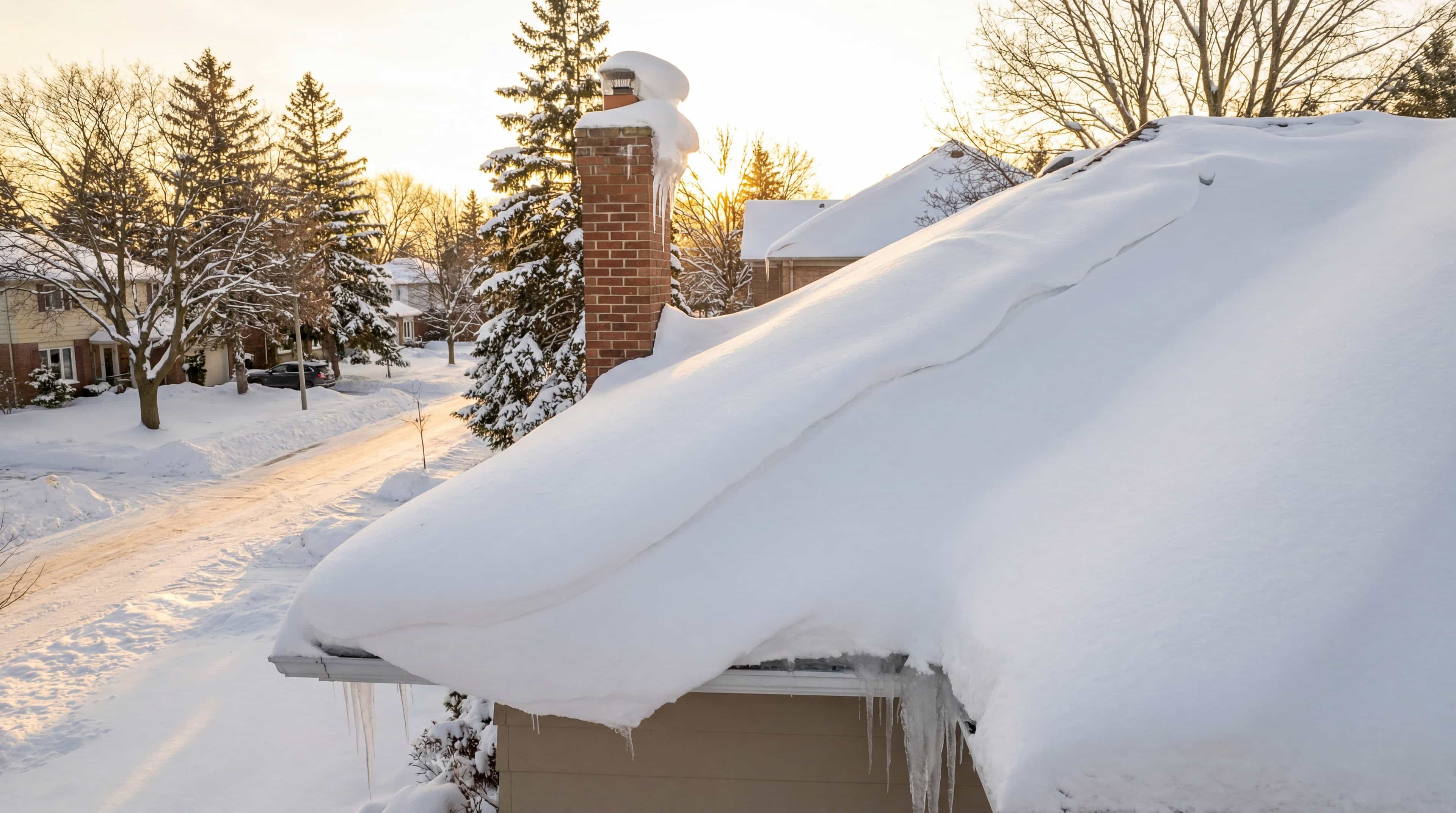
Our winters are the real test, so let's give them the attention they deserve. Under the National Building Code of Canada, every roof in the country is engineered to carry a specified snow load, and provincial and municipal codes adjust those values for local climate zones. That structural baseline applies no matter which material you choose, which is reassuring.
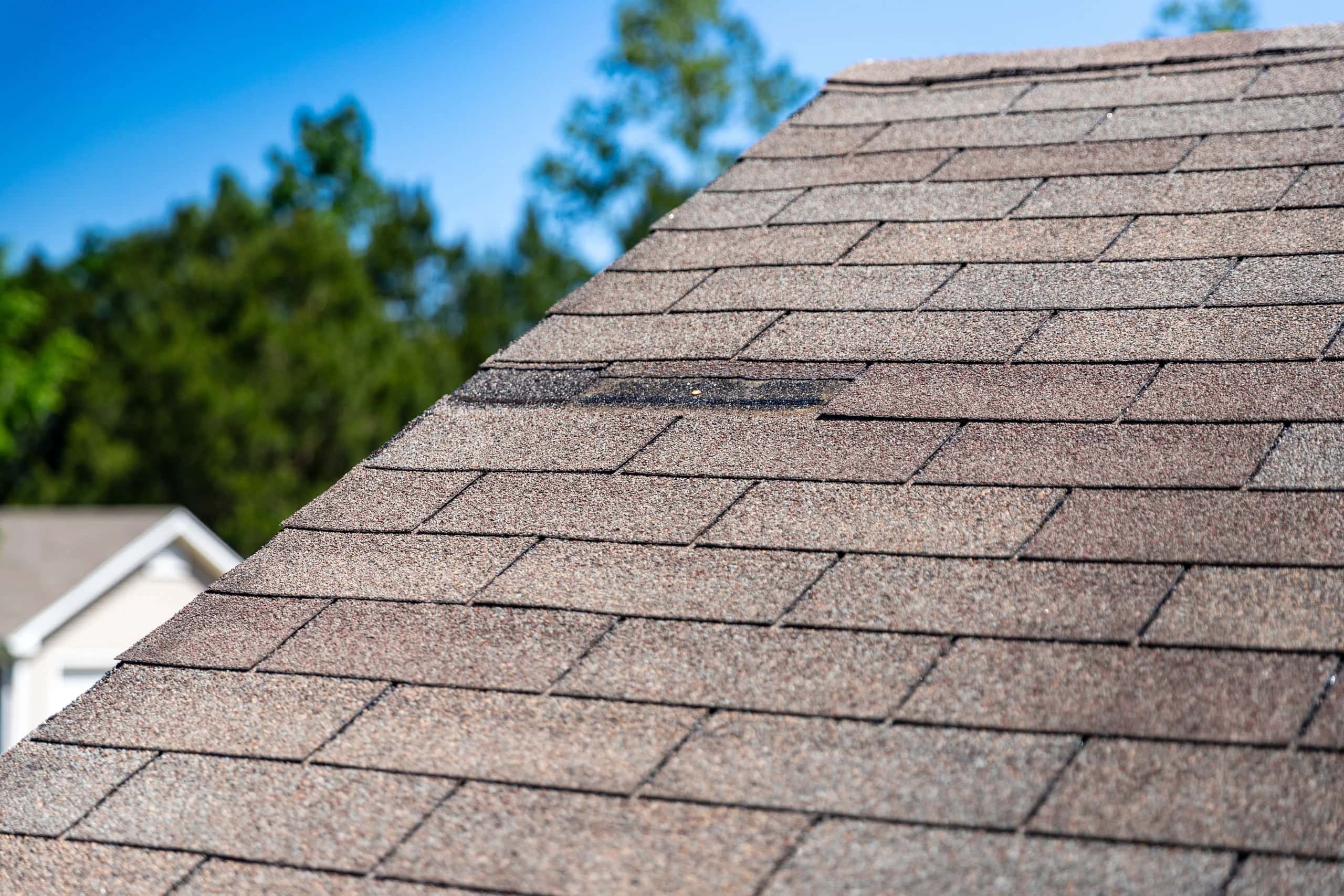
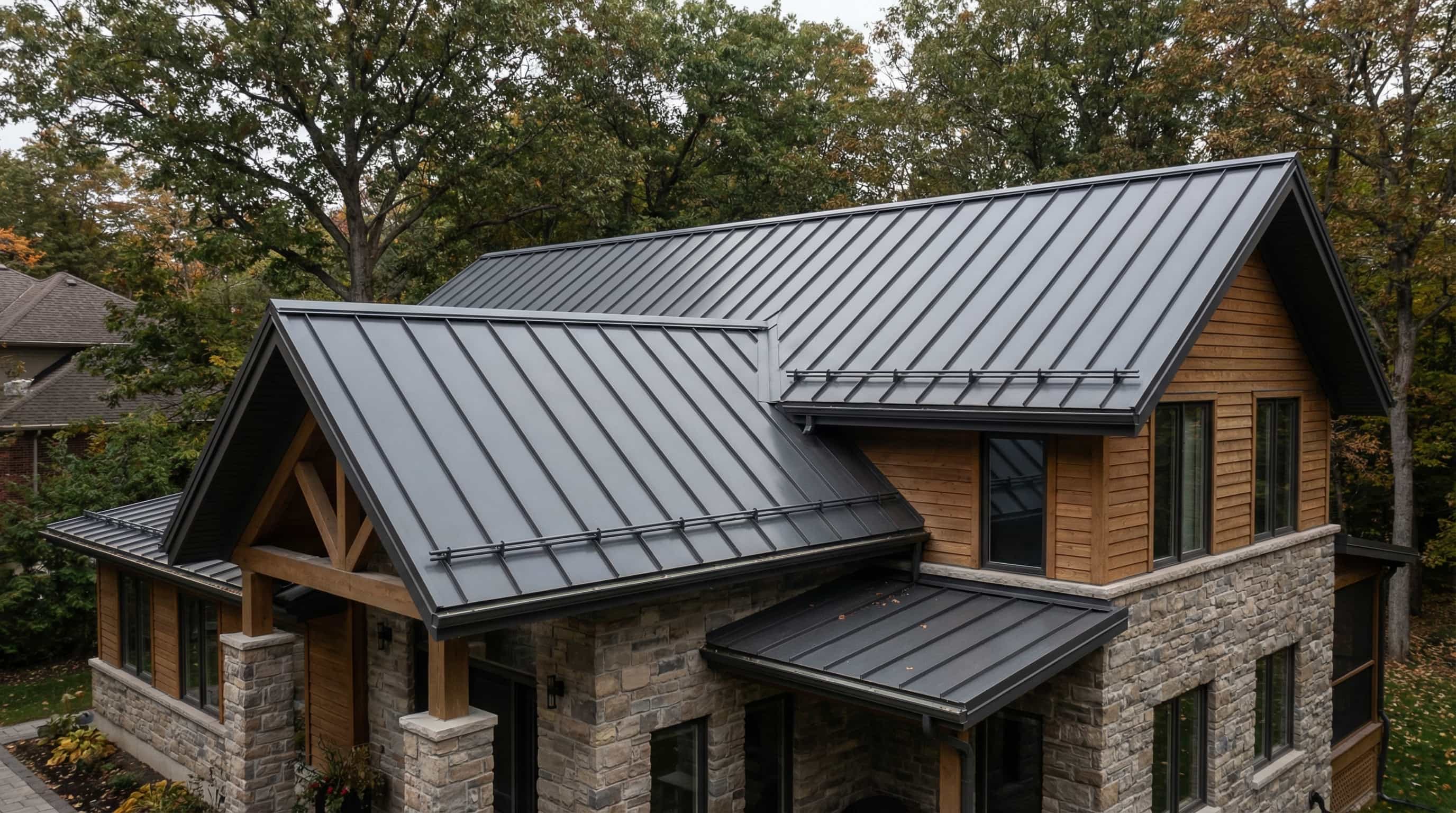
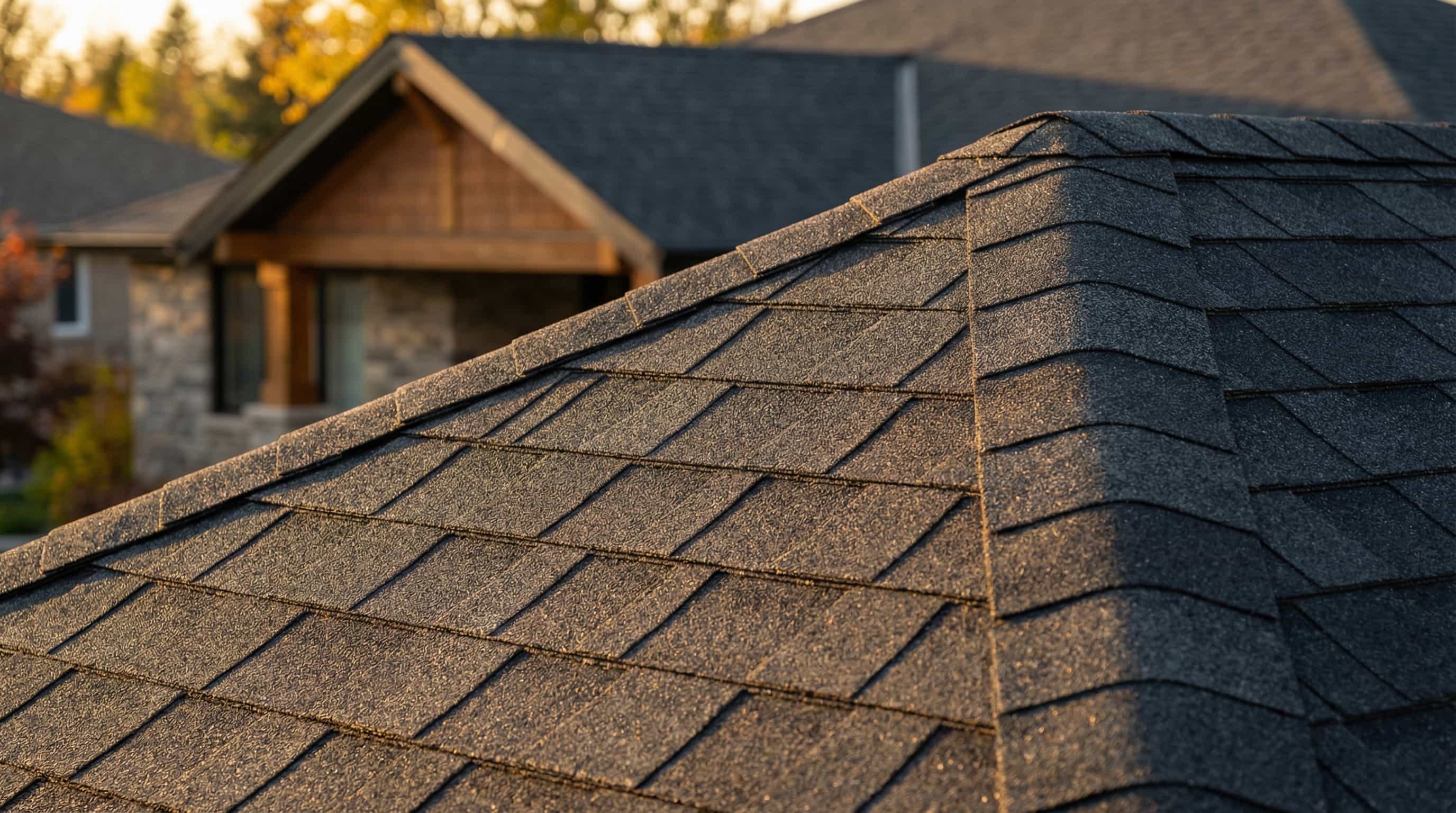
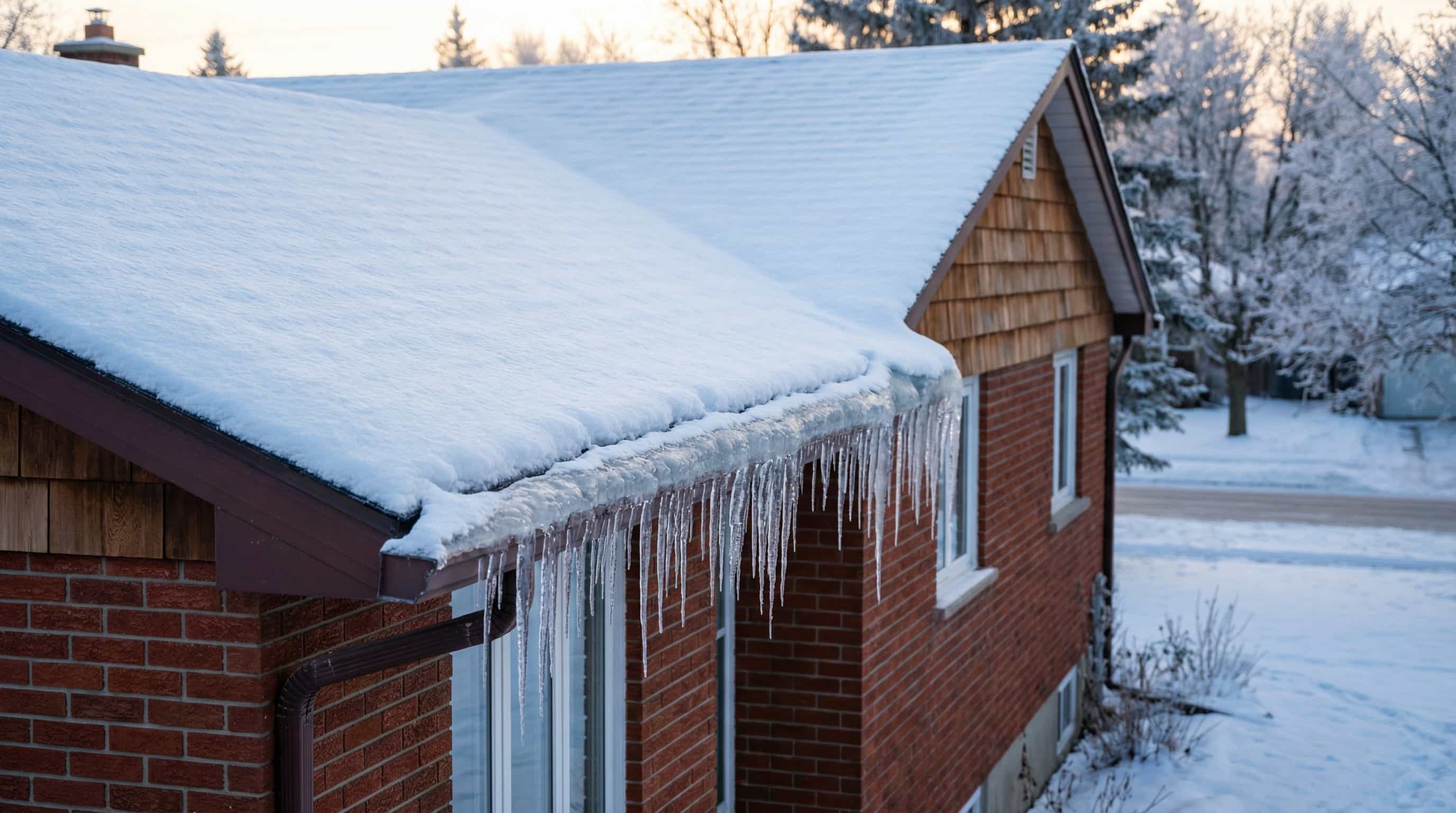
The difference shows up on the surface. Metal's smooth panels tend to shed snow in clean sheets before it can pile up, which eases the load and reduces the conditions that lead to ice dams. Asphalt's rougher, granular surface holds snow longer, and that lingering snow is exactly what feeds ice dams along the eaves. If winter performance is your main worry, our survival guide to ice dams, snow loads, and winter roofing problems goes deeper on prevention.
Cold itself wears the two materials differently. A Canadian winters guide from Bears Valley Roofing explains how repeated freeze-thaw cycling makes asphalt shingles brittle over time, leaving them prone to cracking and granule loss, while metal keeps its flexibility and water-shedding ability in deep cold. This is much of the reason asphalt often underperforms its rated lifespan in Ontario, Quebec, and the Prairies.
Wind and Hail
Wind resistance favours metal when the system is specified well. A 2026 Canadian comparison from RoofNow notes that many architectural asphalt shingles are rated for winds around 110 to 130 mph when new, while well-installed standing-seam metal can be engineered for uplift at 140 mph or higher, provided the panels, clips, and fasteners are correctly chosen.
Hail is the headline issue across the Prairies, and it is where metal's reputation is earned. A Calgary climate guide from Superior Roofing explains that thicker 24-to-26-gauge steel can reach a Class 4 impact rating, the highest level in common impact tests, something only specially engineered asphalt products achieve. Large hail can leave cosmetic dents in metal, but it rarely punches through or causes leaks. Gauge, by the way, simply refers to the thickness of the steel, where a lower number means a thicker, tougher panel.
Fire
Fire safety is closer to a tie than many people expect. As VR Metal Roofing points out, both materials can achieve a Class A fire rating, the top classification. Metal earns it because it is non-combustible by nature, while asphalt reaches it through the specific product and roof assembly. So while metal has a slight conceptual edge, a quality asphalt roof is not the fire liability some assume.