Asphalt Shingles in Canada: Best Types, Brands, Warranties & When Upgrades Are Worth It
A Practical Guide To 3‑Tab vs Architectural Shingles, Roof Systems, And Real‑World Value
By
Published: March 11, 2026
Updated: March 15, 2026
Credit: Homeowner.ca
Key Takeaways
•Architectural shingles usually last longer and handle wind better than basic 3‑tab shingles, but they cost more up front.
•The “roof system” (underlayment, ice & water shield, drip edge, starter, and vents) matters just as much as the shingle brand.
•Warranties mostly cover manufacturing defects in the shingles; stronger protection usually requires system components and qualified installers.
For most Canadian homes, the roof you see from the street is an asphalt shingle roof. Asphalt shingles are the dominant steep‑slope roofing material in North America, blending a fibreglass mat with asphalt and mineral granules to create an affordable, weather‑resistant surface, as outlined in background information from Wikipedia’s overview of asphalt shingles, which is why they show up on so many bungalows and two‑storeys across the country.
That doesn’t mean all asphalt shingles are the same. If you’re replacing a roof or reviewing a home inspection, you’ll quickly hear terms like 3‑tab, architectural, wind rating, ice & water shield, and limited lifetime warranty. Each of these has a real impact on how long your roof will last, how it looks, and how well it handles Canadian weather.
The challenge is that roofing quotes often focus on price per “square” (100 sq. ft.) and a vague shingle brand name. Important details—like whether the roof includes proper eave protection for ice dams or whether the installation qualifies for an extended system warranty—are easy to miss.
This guide is designed to give you a clear framework for evaluating asphalt shingle choices in Canada. You’ll see how 3‑tab and architectural shingles differ, how wind ratings and climate matter, what shingle and system warranties actually cover, and when upgrading to a better shingle or full roof system is worth the extra money.
Advertisement — Article Continues Below
Asphalt Shingles 101
How They’re Built And Why They Work Well In Canada
At a high level, an asphalt shingle is a layered product:
Base mat – usually fibreglass, providing strength and dimensional stability.
Asphalt coating – adds waterproofing and flexibility.
Mineral granules – protect the asphalt from UV, add colour, and improve fire resistance.
This layered structure—described in overviews like Wikipedia’s article on asphalt shingles—allows manufacturers to tune shingles for different looks and performance levels while still using a broadly similar manufacturing process.
On a typical Canadian home, shingles sit on top of:
Roof deck – usually plywood or OSB.
Underlayment – a sheet material that adds secondary water protection over the deck.
Eave protection / ice & water shield – a self‑adhered membrane at vulnerable areas.
Drip edge and flashings – metal pieces that steer water away from edges and joints.
You don’t need to know how to install these components, but it helps to understand that shingles are just one layer in a system. A strong shingle installed over weak underlayment or missing eave protection is like winter tires on a car with worn‑out brakes—you’ve only solved part of the problem.
Where Asphalt Shingles Shine In Canadian Conditions
Asphalt shingles remain popular in Canada because they balance several factors that matter to homeowners:
Affordability – they are generally cheaper than metal, tile, or synthetic alternatives.
Versatility – they work on simple and complex roof shapes and suit many architectural styles.
Repairability – individual shingles can be replaced after wind or ice damage.
Availability – virtually every roofing contractor is familiar with them, and replacement bundles are easy to source long after installation.
However, performance varies significantly between entry‑level 3‑tab products and thicker, higher‑rated architectural lines. To understand whether an upgrade is worth it, you first need to understand how these two families of asphalt shingles differ.
Advertisement — Article Continues Below
3‑Tab vs Architectural Shingles
Construction, Appearance, Lifespan And Cost
Homeowners usually encounter two main asphalt shingle types:
3‑tab shingles – the traditional, flat, single‑layer shingle.
Architectural shingles – also called laminate or dimensional shingles; thicker and multi‑layered.
Construction And Appearance
3‑tab shingles are cut so that one strip forms three equal “tabs,” giving a uniform, flat look once installed. They use a relatively thin, lightweight construction and are usually the lowest‑cost asphalt option, a pattern described in guides from sources like Angi’s comparison of architectural vs 3‑tab shingles, which is why they’re common on older homes and budget re‑roofs.
Architectural shingles, by contrast, are built with multiple asphalt layers laminated together. This extra thickness creates a more dimensional, shadowed look that can mimic wood shakes or slate. The added material also increases weight and impact resistance, which generally improves durability and wind performance.
Typical Lifespan Ranges
Under normal conditions and with proper installation:
3‑tab shingles often have typical service lives in the 15–20 year range.
Architectural shingles frequently target 25–35 years of service life.
Harsh Canadian realities—like frequent freeze–thaw cycles, high UV in some regions, ice dams, and wind‑driven rain—can shorten those ranges. That’s why it’s important to look at both the nominal lifespan and how the specific product is engineered for cold climates, which we’ll come back to in the brand section.
Cost And Value Over Time
Because they use more material and offer longer warranties, architectural shingles cost more per square than 3‑tab products. The labour cost to install architectural shingles can also be higher, especially on complex roofs.
However, a key point is lifecycle cost. If a 3‑tab roof needs replacing roughly every 15–20 years while an architectural roof can often last 25–30+ years under similar conditions, the more expensive roof may cost less over a 30‑year period for homeowners who plan to stay long term, a pattern discussed in resources like Hoel Roofing & Remodeling’s analysis of architectural vs 3‑tab shingle cost and lifespan.
If you expect to move within 5–10 years, a solid 3‑tab may be good enough. If you’re in your “forever home” or a windy, storm‑prone area, the upgrade to architectural often makes financial and practical sense.
A simple rule of thumb: if you’re trying to minimize monthly cost over the next 20–30 years and you live in a windy or snowy Canadian region, architectural shingles paired with solid underlayment and eave protection usually offer better value than the cheapest 3‑tab option.
Canada has some of the most roof‑testing weather on the planet: Pacific storms on the West Coast, prairie winds, lake‑effect snow, and Atlantic hurricanes and nor’easters. That’s why understanding wind ratings and climate‑tailored products is crucial.
Typical Wind Ratings: 3‑Tab vs Architectural
Many 3‑tab shingles are rated for wind speeds around 60–70 mph, roughly 95–110 km/h, when installed correctly. Architectural shingles commonly reach 120–130 mph, about 190–210 km/h, under proper installation and fastening patterns, a range reflected in comparisons like Today’s Homeowner’s guide to 3‑tab vs architectural shingles, which is why roofing contractors often recommend laminates in wind‑exposed locations.
These numbers are not predictions of actual storm limits; they come from standardized lab tests. Still, they offer a useful way to compare products if you know your area regularly sees strong winds.
Understanding Wind Classes (ASTM D3161 And D7158)
Manufacturers often reference standards such as ASTM D3161 and ASTM D7158, which define wind‑resistance classes like:
When reviewing quotes, ask which wind class your proposed shingle carries and whether high‑wind installation methods (extra nails, specific patterns, or adhesives) will be used where required.
Canadian Standards: CSA A123.5
Most shingles sold into the Canadian market from major brands are tested to CSA A123.5, a Canadian standard that includes performance criteria for wind resistance and weathering. Product literature for lines like IKO’s Dynasty architectural shingles highlights compliance with CSA A123.5 for use in Canada, as seen in IKO’s performance shingle information for homeowners, which gives added confidence that the product has been evaluated for local conditions.
Brand Examples: Wind And Climate
Here’s how some popular Canadian‑market products illustrate the range of performance:
BP Yukon SB 3‑tab – A fibreglass 3‑tab shingle sold in Canada with a 30‑year limited warranty and a standard wind warranty up to 115 km/h, with a high‑wind warranty up to 130 km/h when installed to the manufacturer’s special instructions, according to the product details for BP Canada’s Yukon SB shingles.
BP Weather‑Tite architectural lines – BP markets its Weather‑Tite technology as formulated for Canadian climate and notes that some products offer wind warranties up to 220 km/h, assuming the full system and installation requirements are met, as described in BP Canada’s overview of its Weather‑Tite shingles.
IKO Dynasty architectural shingles – This performance shingle line lists a limited lifetime warranty and a limited wind warranty of 130 mph (about 210 km/h), along with a 15‑year “Iron Clad” protection period for manufacturing defects, as summarized in IKO’s Dynasty performance shingle literature.
These examples show that not all 3‑tabs are strictly “entry level” and that premium architectural products can push wind warranties into very high ranges—especially important on exposed lakefront lots, prairie acreages, or coastal properties.
Climate‑Aware Recommendations (High Level)
Canadian Context
Wind / Weather Exposure
Shingle Strategy (High Level)
Sheltered urban infill, short horizon
Moderate winds, limited drifting snow
Quality 3‑tab or entry architectural, focus on proper underlayment
Prairie outskirts, open farmland
Frequent strong winds, blowing snow
Architectural with higher wind class, strong eave protection
Atlantic or Pacific coastal zones
Storm systems, wind‑driven rain
High‑performance architectural shingle with premium wind rating
Snow‑belt cottage or rural home
Deep snowpack, risk of ice dams
Architectural or robust 3‑tab, but prioritize ice & water shield system
Note
Always ask your roofer to specify both the wind class and any high‑wind installation requirements for the shingle you choose. A premium shingle installed without the required fasteners or patterns may not achieve its rated performance—or qualify for its advertised wind warranty.
Advertisement — Article Continues Below
Warranties: Materials vs Workmanship
How To Read Shingle, System, And Labour Coverage
Many homeowners hear “lifetime warranty” and assume their roof is fully covered for as long as they own the home. In reality, roofing warranties are layered and conditional.
The Three Main Warranty Buckets
Most asphalt shingle roof packages involve some combination of:
Manufacturer shingle (materials) warranty
Covers manufacturing defects in the shingles themselves.
Often described as “limited lifetime” for architectural lines or a fixed term (e.g., 25–30 years) for some 3‑tab products.
Coverage schedules often start with a full, non‑prorated period and then step down over time.
Manufacturer system or enhanced warranty
Adds extended coverage (sometimes including labour) when you install a full set of branded components—eave protection, underlayment, starter, shingles, and hip & ridge—and meet registration and installer requirements.
BP’s Weather‑Tite Extended Limited Warranty, for example, requires that a complete set of specified BP components be used and registered, as described in BP Canada’s shingle warranty documentation, which is why quotes specifying a full “system” often connect directly to warranty eligibility.
Workmanship / labour warranty
Provided by the contractor (sometimes backed by the manufacturer for certified installers).
Covers installation errors, such as improperly flashed valleys or missed nails.
Manufacturer materials warranties often distinguish clearly between what’s covered on the product side and what must be taken up with the installer, a division explained in homeowner resources like IKO’s warranty information centre, so it’s critical to see both documents together.
Non‑Prorated “Initial Protection” Periods
Many manufacturer warranties include an early period—often in the 10–20 year range—where material defects are covered at or near the full original value before switching to prorated coverage. BP and IKO both describe this kind of initial non‑prorated protection in their warranty materials, as seen in BP Canada’s homeowner warranty summaries, which significantly affects how much you’ll receive if there’s an early‑life failure.
Once the roof is well into its expected life, warranties typically pay only a fraction of replacement cost, and you’re often responsible for labour and disposal. This is why the roof’s first decade or two of service is the most economically “protected.”
How Contractor Warranties Fit In
Local roofing companies also issue their own workmanship guarantees. These might range from one year to 10+ years on labour, and some certified installers can register enhanced manufacturer‑backed workmanship coverage. Canadian contractors like Halton Hills Roofing explain that material and labour coverage are usually separate, with the manufacturer handling shingle defects and the contractor handling installation issues, as described on Halton Hills Roofing’s roof warranty information page, which is why you should evaluate both when comparing quotes.
Warranty Comparison Snapshot
Warranty Type
Who Issues It
What It Covers
Key Homeowner Actions
Shingle / materials warranty
Manufacturer
Manufacturing defects in shingles
Keep proof of purchase; follow installation requirements
System / enhanced warranty
Manufacturer
Materials and sometimes labour
Use full component system; register; use approved installer
Workmanship / labour warranty
Roofing contractor
Installation errors
Keep contract and warranty; call contractor for leaks
Tip
When reviewing quotes, always ask for written copies of both the manufacturer warranty and the contractor’s workmanship warranty before you sign. Confirm who you call for what type of issue—leaks, blow‑offs, or visible shingle defects—and what happens if the installer retires or closes.
Underlayment, Eave Protection, Drip Edge And Ice & Water Shield
The “Hidden” Roof Components That Protect You From Ice Dams And Wind‑Driven Rain
Shingles handle most of the weather, but the waterproofing backbone of a Canadian roof lives underneath them. For cold climates, the most important elements are underlayment, eave protection / ice & water shield, and drip edges and flashings.
Ice Dams: Why Eave Protection Matters In Canada
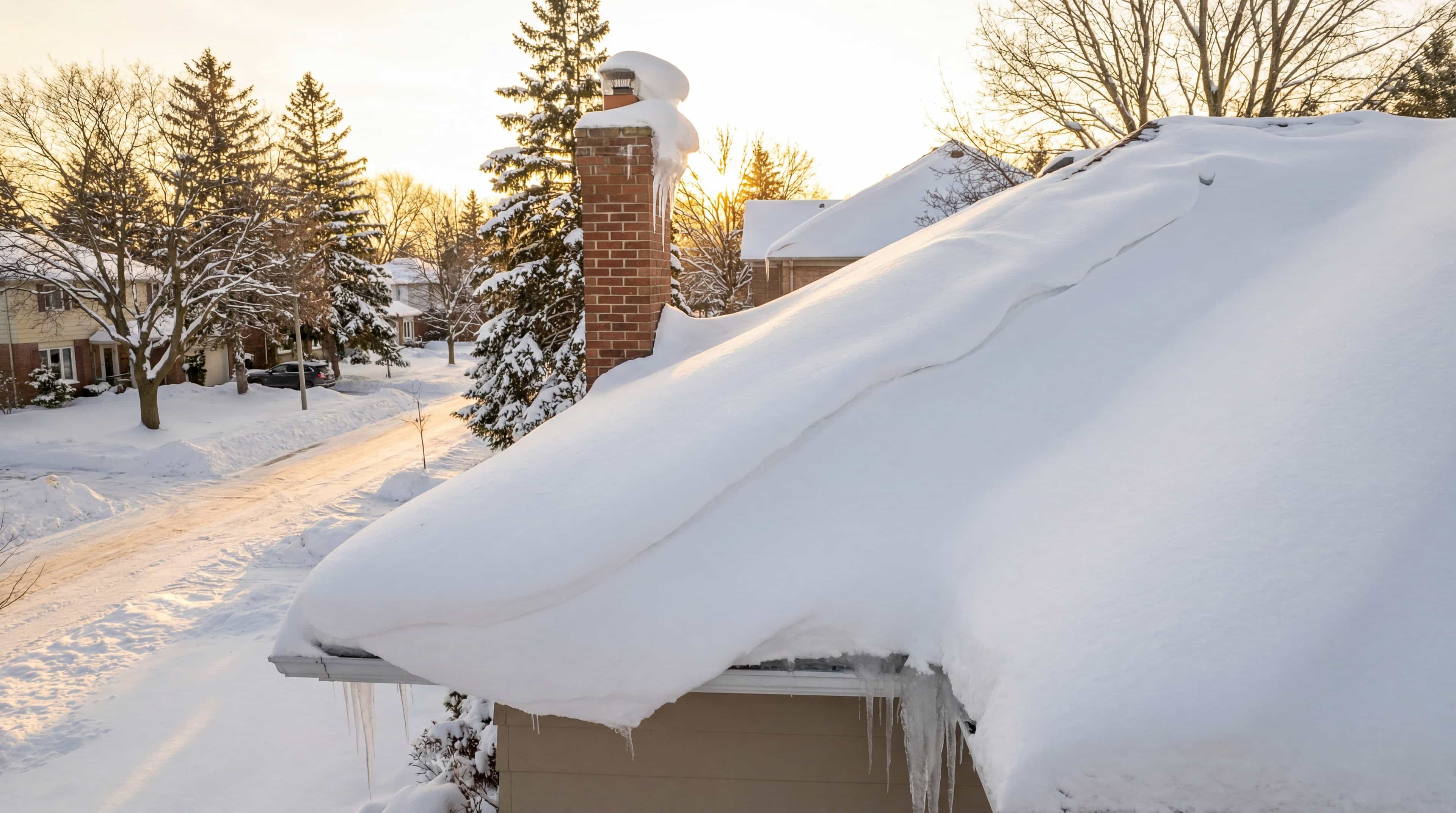
In winter, heat escaping from your home can melt snow on the upper parts of the roof. That meltwater flows down, hits the colder overhangs at the eaves, and refreezes. Over time, a ridge of ice (an ice dam) can form at the edge, trapping more meltwater behind it, which can push water back up under shingles and into the roof deck and ceiling below. This process is described in plain language in Natural Resources Canada’s “Keeping the Heat In” guide for roofs and attics, helping explain why eave protection is so critical in snowy regions.
Proper insulation and air sealing help reduce ice dams, but roofing materials themselves also need to be prepared for ponded water right at the eaves and in valleys.
What Underlayment And Eave Protection Do
Roofing practice manuals like the Roofing Contractors Association of British Columbia’s eave protection and underlayment guide describe two broad categories of sheet materials under asphalt shingles:
Self‑adhered eave protection membrane (ice & water shield) – installed at eaves, valleys, and other vulnerable areas; bonds to the deck and seals around nails to stop water from reaching the wood below.
The self‑adhered membranes are usually made from rubberized asphalt or butyl with a polyethylene or other film on top, giving them a sticky underside that forms a tight seal.
Ice & Water Shield Products
Manufacturers like GCP Applied Technologies describe their self‑adhered products—such as Grace Ice & Water Shield HT—as roofing underlayments specifically designed to prevent water from ice dams and wind‑driven rain from leaking into the structure by sealing to the deck and around fasteners, as summarized in GCP’s technical information on Grace Ice & Water Shield HT. These membranes are typically rolled out along eaves, in valleys, and sometimes along rakes or around penetrations.
While often treated as an afterthought, metal drip edge and properly integrated flashings:
Protect the edges of the roof deck from rot.
Help ensure water drops cleanly into gutters rather than wicking back under shingles.
Provide a neat, straight finished line along eaves and rakes.
Together, underlayment, eave protection, and flashings form the safety net beneath your shingle choice. Skipping these to save a small amount upfront can lead to far more expensive leak repairs later.
Component Summary Table
Component
Primary Role
Why It Matters In Canada
Underlayment
Secondary water‑shedding layer over deck
Backup protection if shingles lift or blow off
Ice & water shield (eave mem.)
Self‑adhered waterproofing at eaves/valleys
Defence against ice dams and wind‑driven rain
Drip edge
Metal trim along eaves and rakes
Protects deck edges, channels water into gutters
Valleys / detail membranes
Reinforce changes in roof planes
Guard against heavy runoff concentration and snow loads
Important
For most Canadian roofs with meaningful winter snow, skipping ice & water shield at the eaves to shave a few dollars off a quote is a false economy. Make sure your contract clearly states where eave protection will be installed and what product will be used.
Advertisement — Article Continues Below
Major Asphalt Shingle Brands In The Canadian Market
Who Makes What, And How To Think About Brand Choice
You don’t need to become a roofing brand expert, but knowing the major players helps you make sense of quotes and warranties.
Prominent Canadian‑Market Brands
Some of the better‑known asphalt shingle manufacturers serving Canada include:
BP (Building Products of Canada) – Canadian manufacturer with 3‑tab and architectural lines, plus Weather‑Tite system components.
IKO – International manufacturer with strong presence in Canada and CSA‑compliant products.
CertainTeed, GAF, Owens Corning, and others – U.S. manufacturers whose shingles are commonly available through Canadian distributors.
The Roofing Contractors Association of British Columbia’s technical manual references Canadian‑market asphalt shingles tested to CSA A123.5 and used with specific underlayments and eave protections, as outlined in RCABC’s section on eave protection and underlayment, which indirectly shows how brands like BP and IKO integrate into local best practices.
BP Canada: Weather‑Tite And Regional Focus
BP positions its Weather‑Tite shingles and roofing systems as designed for Canadian climate, emphasizing resilience against freeze–thaw cycles and strong winds. Its product literature highlights design details and wind warranties up to 220 km/h on certain lines when installed as a complete system, as in BP Canada’s “Hello there” overview of Weather‑Tite shingles, giving Canadian homeowners a climate‑tailored option.
BP also offers regionally focused lines—such as its Signature West series—marketed specifically for Western Canadian weather conditions with enhanced wind and algae resistance, as described in the product information for BP’s Signature West roofing collection, making it easier to match shingles to local climate and aesthetics.
IKO: Performance Shingles And Warranty Structure
IKO’s Dynasty and other performance architectural shingles are marketed with limited lifetime warranties, high wind ratings, and CSA A123.5 compliance for Canadian use, as detailed in IKO’s performance shingle product page. IKO’s warranty documentation for homeowners further explains concepts like Iron Clad non‑prorated coverage and the distinction between material and labour coverage, in resources like IKO’s warranty information for homeowners, which are helpful when comparing one manufacturer’s warranty language with another’s.
How To Treat Brand Names In Your Decision
Brand alone shouldn’t decide your roof. Instead, look at:
Specific product line (not just “IKO roof” or “BP roof”).
Wind rating and CSA compliance.
Available system/extended warranties and their requirements.
Installer familiarity and track record with that brand.
In practice, a well‑installed mid‑range shingle from a reputable brand can outperform a top‑tier product installed poorly. Your contractor’s experience and attention to detail matter just as much as the logo on the bundle.
Note
When comparing quotes, ask roofers to list the exact shingle line (e.g., BP Mystique, IKO Dynasty), not just the brand name. Then you can look up wind ratings and warranty details on the manufacturer’s website.
A Practical Framework For Choosing 3‑Tab vs Architectural And System Options
With all this information, the real question is: When is it worth paying more for better shingles and a fuller roof system?
Step 1: Define Your Time Horizon
Ask yourself:
How long do you realistically plan to own this home?
Are you likely to renovate heavily or build an addition that changes the roofline?
If you expect to sell within 5–10 years, you may prioritize lower upfront cost and curb appeal. If you see yourself staying 15–25+ years, lifecycle cost becomes more important.
Analyses of 3‑tab versus architectural shingles often show that while 3‑tab roofs are cheaper initially, the longer lifespan of architectural shingles can lead to a lower cost per year of service over a 25–30 year period when both are properly installed, as discussed in comparisons like Hoel Roofing & Remodeling’s review of architectural vs 3‑tab shingles, which is especially relevant if you intend to stay put.
Step 2: Assess Your Climate And Site Exposure
Consider:
Are you in a high‑wind area (open fields, coastal, hilltop)?
Do you regularly see deep snow on the roof?
Is your home shaded and prone to slow snow melt and ice dams?
Higher‑rated architectural shingles and robust eave protection become much more attractive as wind and snow loads go up.
Step 3: Consider Curb Appeal And Neighbourhood Expectations
Architectural shingles often:
Look richer and more dimensional.
Come in more colour blends that complement stone, brick, or siding.
If you’re in a neighbourhood where most homes have dimensional shingles, installing basic 3‑tab on a high‑value home can make it look dated or cheaper than it is. Conversely, upgrading from an aging 3‑tab roof to a well‑chosen architectural shingle can significantly improve curb appeal and perceived value.
Step 4: Evaluate Warranty And System Options
Ask:
Does the proposed shingle line offer a non‑prorated initial protection period that aligns with how long you plan to stay?
Are you comfortable buying the full system (eave protection, underlayment, starter, hip & ridge) to qualify for extended warranties?
Is your contractor certified or recognized by that manufacturer for enhanced labour coverage?
If you’re paying premium prices for a top‑tier shingle but skipping the compatible system components or registration steps, you may be leaving valuable warranty protection on the table.
Step 5: Compare Scenarios
Here’s a simplified decision table using typical Canadian scenarios:
Scenario
Recommended Strategy
Starter home, moving in ~7 years, mild climate
Quality 3‑tab or entry‑level architectural; basic system with eave protection
Long‑term family home in windy prairie town
Mid‑ to high‑tier architectural with higher wind rating + full system
Code‑compliant, budget‑appropriate shingle; focus on watertightness and curb appeal rather than max warranties
Tip
Ask each roofer to price two options: (1) a solid but economical package, and (2) an upgraded architectural shingle with enhanced underlayment and eave protection. Seeing the price difference in dollars—not just in abstract percentages—makes the upgrade decision much easier.
Advertisement — Article Continues Below
How To Talk To Your Roofer
Key Questions To Ask Before You Sign A Contract
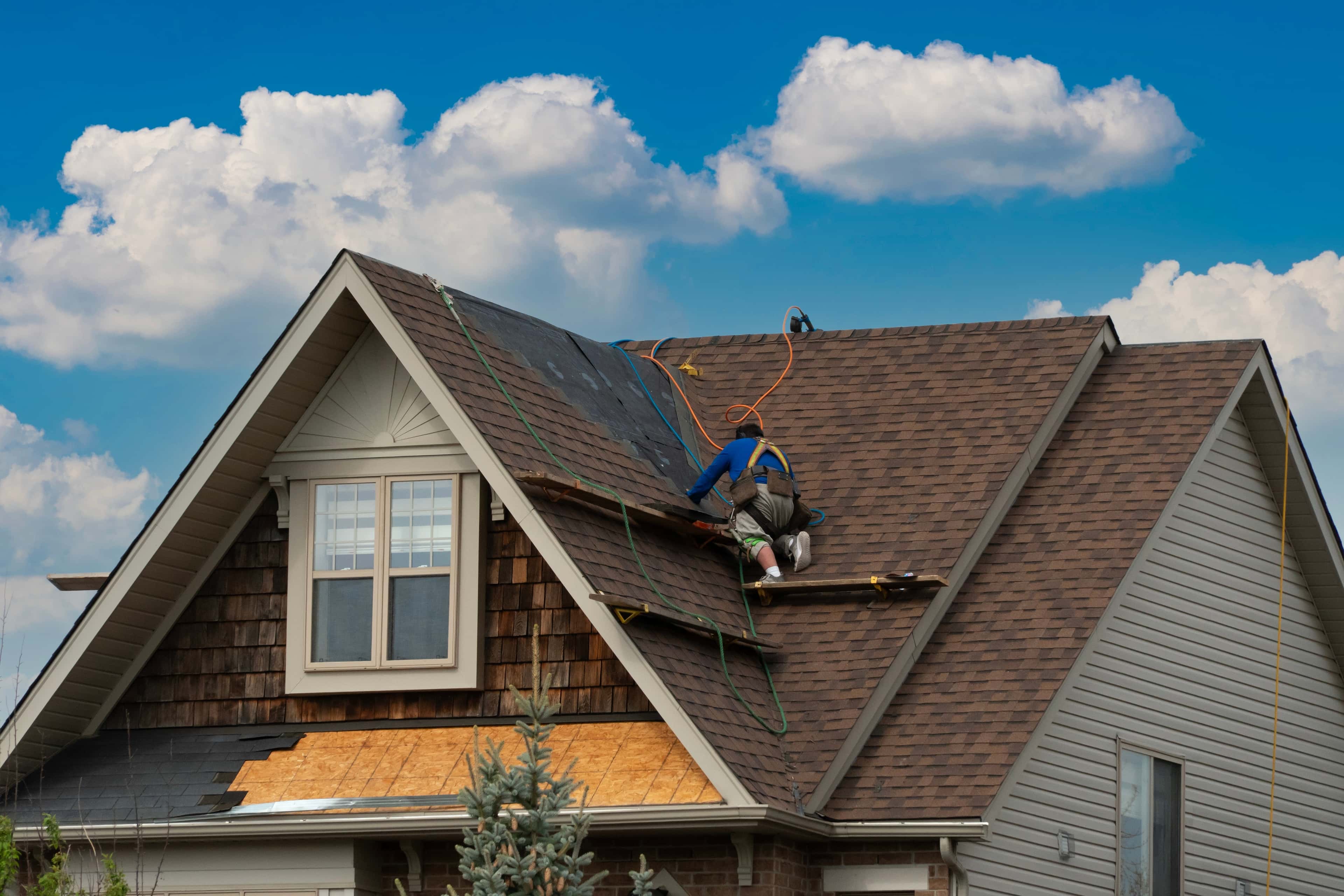
Even a great shingle can perform poorly if the installation and details are rushed. When reviewing quotes and meeting contractors, consider asking:
Shingle Details
Which specific shingle line are you proposing (brand and model)?
What is its wind rating and wind class?
Is it tested to CSA A123.5?
Underlayment And Eave Protection
What type of underlayment will you use over the whole deck?
Where will ice & water shield be installed (eaves, valleys, hips, around penetrations)?
Which product will you use for eave protection?
Flashing And Drip Edge
Will you replace existing drip edge and flashings, or reuse them?
How will you handle chimneys, skylights, and wall transitions?
Ventilation
How will you ensure attic ventilation is adequate for the new roof?
Will you add or adjust vents if needed?
Warranties And Paperwork
What is the manufacturer shingle warranty, and what are its key conditions?
What is your workmanship warranty, and what does it cover?
Will you register any system or extended warranties on my behalf?
Contractors like Halton Hills Roofing emphasize that understanding the division between manufacturer coverage and installer workmanship is essential for realistic expectations, as explained in their overview of roof warranties for homeowners, which is why it’s worth insisting on clear written answers to these questions.
Warning
Be wary of quotes that significantly undercut others without clearly specifying shingle lines, underlayment, eave protection, and warranty details. Low bids sometimes omit key components like ice & water shield or offer shorter workmanship coverage.
About the Author
Ryan May
Senior Contributor / Founder
Ryan is the founder of Homeowner.ca and a proud Canadian homeowner based in Guelph, Ontario. Over his 25-year career in digital publishing, he has focused on transforming complex information into clear, practical guidance that helps people make confident, well-informed decisions.
Yes, as long as you choose shingles and system components that are rated and designed for cold climates. That means looking for products tested to Canadian standards (like CSA A123.5), ensuring you have proper underlayment and ice & water shield at eaves and valleys, and pairing them with good attic insulation and ventilation to reduce ice dams.
Stand back and look at the pattern. 3‑tab shingles look flat and uniform, with a repeating “brick‑like” layout. Architectural shingles have a thicker, staggered pattern with more shadow lines and depth. A roofer—or even a home inspector—can usually confirm this quickly from the ground.
Not necessarily. Architectural shingles can last significantly longer because of their thicker construction and stronger warranties, but real‑world life depends on climate, ventilation, roof design, and installation quality. Think in terms of better odds of a longer life, not a guaranteed number of years.
It depends on your local market. In many neighbourhoods, buyers expect dimensional shingles on newer or higher‑value homes, so upgrading can help with curb appeal and buyer confidence. If most surrounding homes still have 3‑tab roofs and you’re selling within a few years, a high‑quality 3‑tab replacement may be enough.
Dark shingles do absorb more solar heat than light ones, which can slightly increase roof surface temperatures. However, attic insulation, ventilation, and overall building design have a larger impact on indoor comfort. In most Canadian climates, winter performance and durability matter more than marginal differences in summer heat gain.
“Limited lifetime” generally means the manufacturer will cover manufacturing defects for as long as an eligible owner owns the home, but the amount of coverage usually declines over time according to a schedule. Labour, disposal, and other costs may not be fully covered, especially after the non‑prorated initial period.
Typically no. Enhanced system warranties usually require using the manufacturer’s full set of components—eave protection, underlayment, starter, shingles, and hip & ridge—and having them installed together on a new roof. Reusing older layers may void eligibility for those higher‑tier warranties.
Certified or credentialed contractors often can register stronger manufacturer‑backed warranties and may be more familiar with brand‑specific installation details. While skilled non‑certified roofers can also do excellent work, certification can be a helpful signal—especially if you’re paying for a premium shingle and want the most robust available warranty.
Requirements depend on local codes and enforcement, but practically speaking, any region with significant snow or ice benefits from eave protection. Even where it isn’t strictly required, it’s a sensible upgrade on most Canadian roofs because ice dams and wind‑driven rain are common failure modes.
Cost is the main reason, but there are cases where 3‑tab makes sense—such as matching an existing section on a detached garage, keeping a starter home affordable, or working within tight insurance or financing constraints. Some higher‑end 3‑tab products also offer respectable wind ratings and multi‑decade warranties, making them a reasonable middle ground.
Look beyond the headline. Compare wind ratings, the length and depth of the non‑prorated coverage, requirements for extended system warranties, and the reputation of each product in your region. Ask your roofer which products they’ve had the best long‑term experience with and why.
Technically, yes; many roofs use mixed components. However, if you want enhanced system warranties, manufacturers usually require using their own branded components throughout. Mixing brands may be fine from a performance standpoint when done correctly, but it can limit warranty options.
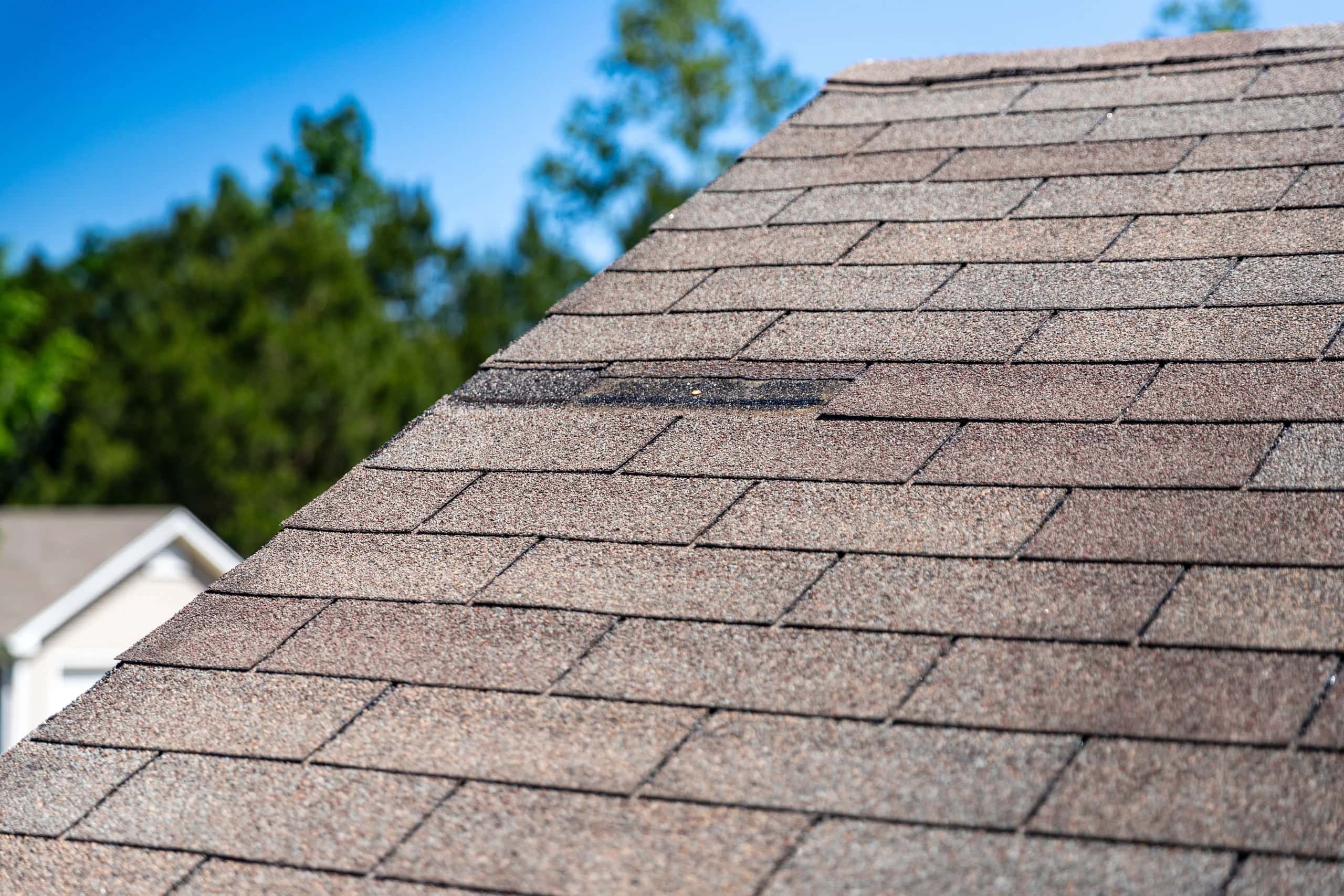
A quick visual check every spring and fall is a good idea. Look for missing, cracked, or curling shingles; exposed nails; and debris buildup in valleys and gutters. After major wind or ice storms, a more careful look—or a drone or professional inspection—can catch issues early before they become leaks.
Repairs can be a bit more time‑consuming because architectural shingles are thicker and have a more complex pattern, but experienced roofers handle both regularly. The main difference is aesthetic: matching the texture and colour blend on an older roof can be slightly trickier with dimensional shingles.
Even if your roof looks generally fine at 15–20 years, it’s wise to start budgeting and getting opinions. Factors like granule loss, curling, brittle tabs, and frequent blow‑offs are signs the roof is nearing end‑of‑life. A planned replacement is almost always cheaper and less stressful than an emergency replacement after a major leak.