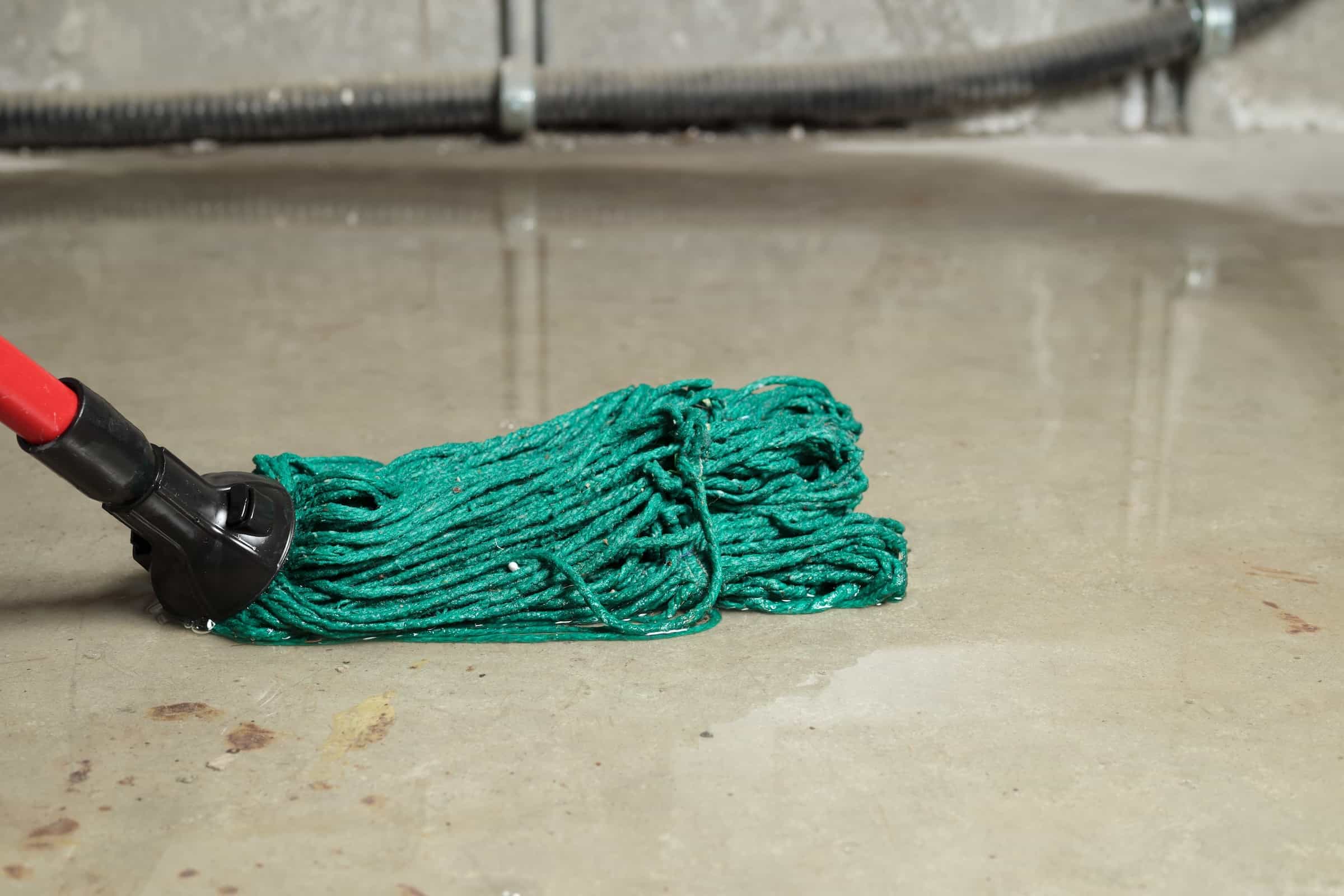
Basement water problems rarely start in the basement. They usually start outside—snowmelt that can’t soak into frozen ground, rain that overwhelms soil absorption, or a high water table pushing groundwater upward. By the time you notice damp drywall, a musty smell, or a puddle near a floor drain, the real story has already unfolded under your lawn and around your foundation.
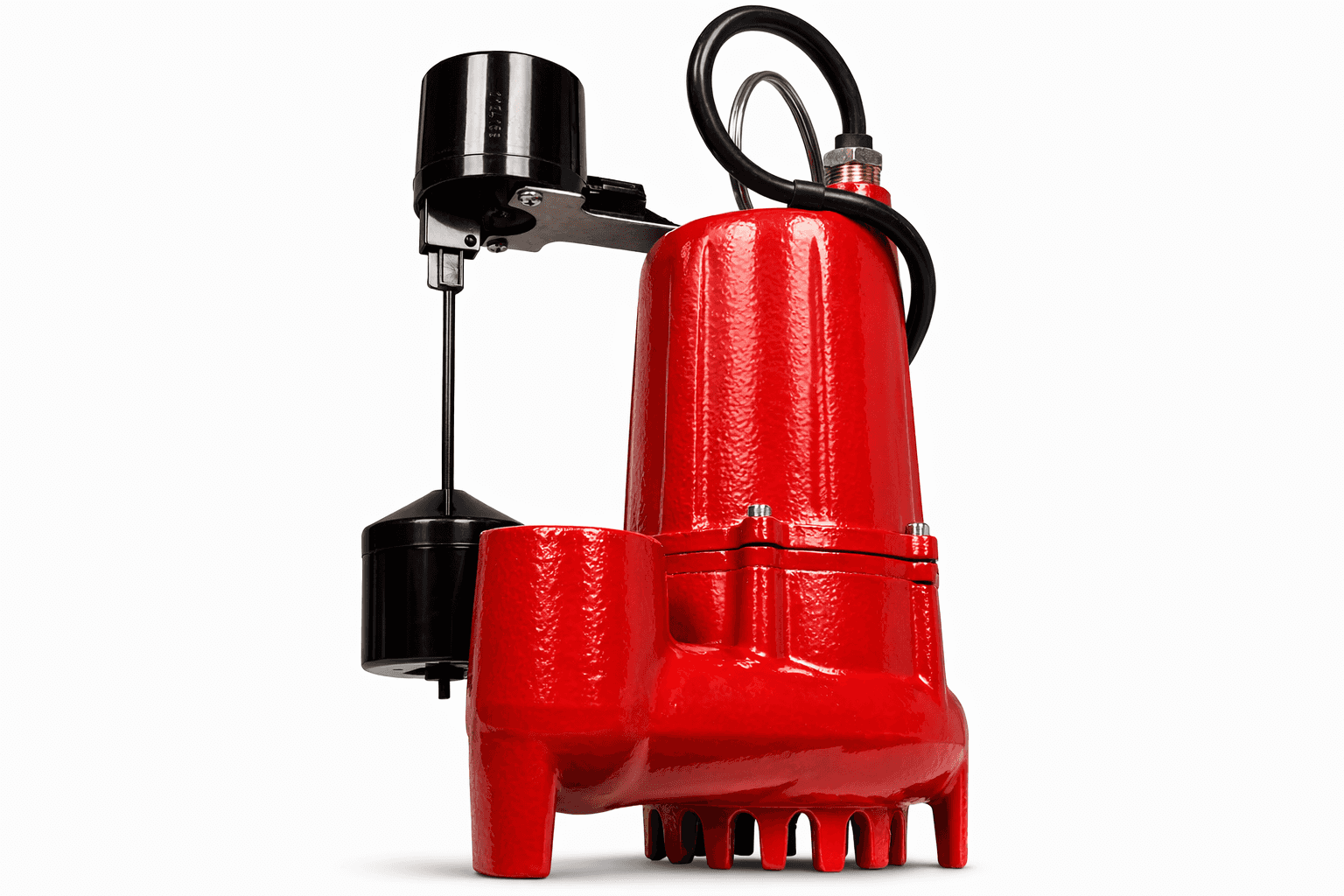
A sump pump is one of the most common “last steps” in that story. In Wikipedia’s sump pump article the device is described as a pump used to remove water that has collected in a sump basin, which is exactly how many Canadian basements manage groundwater when gravity drainage isn’t practical.
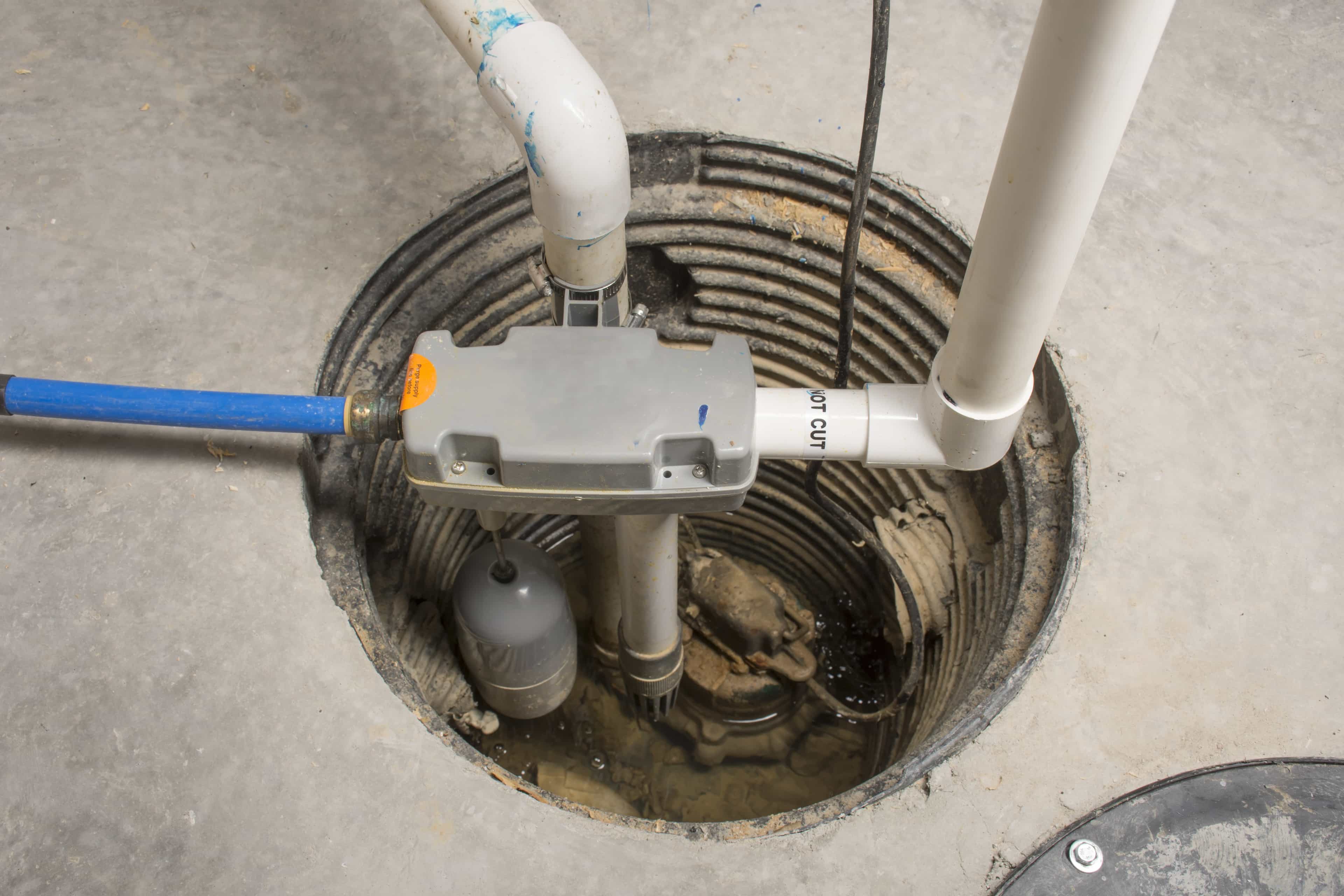
But the pump is only one piece of a system. Most homeowners interact with the system as a round lid in the floor, a humming sound after a storm, or a discharge pipe outside that runs for a minute and stops. Under that lid is a small basin (the sump pit), a pump, and a float or sensor that tells the pump when to turn on and off.
This guide breaks the whole setup into a clear, homeowner-friendly framework: where the water comes from, how it gets to your pit, how the pump moves it, where it should go, and what a sump pump can’t do. Along the way, you’ll get practical checklists, simple diagrams, and “what to look for” comparisons to help you assess your own home—especially in Canadian conditions where freeze–thaw cycles and spring melt add unique pressure to foundations.