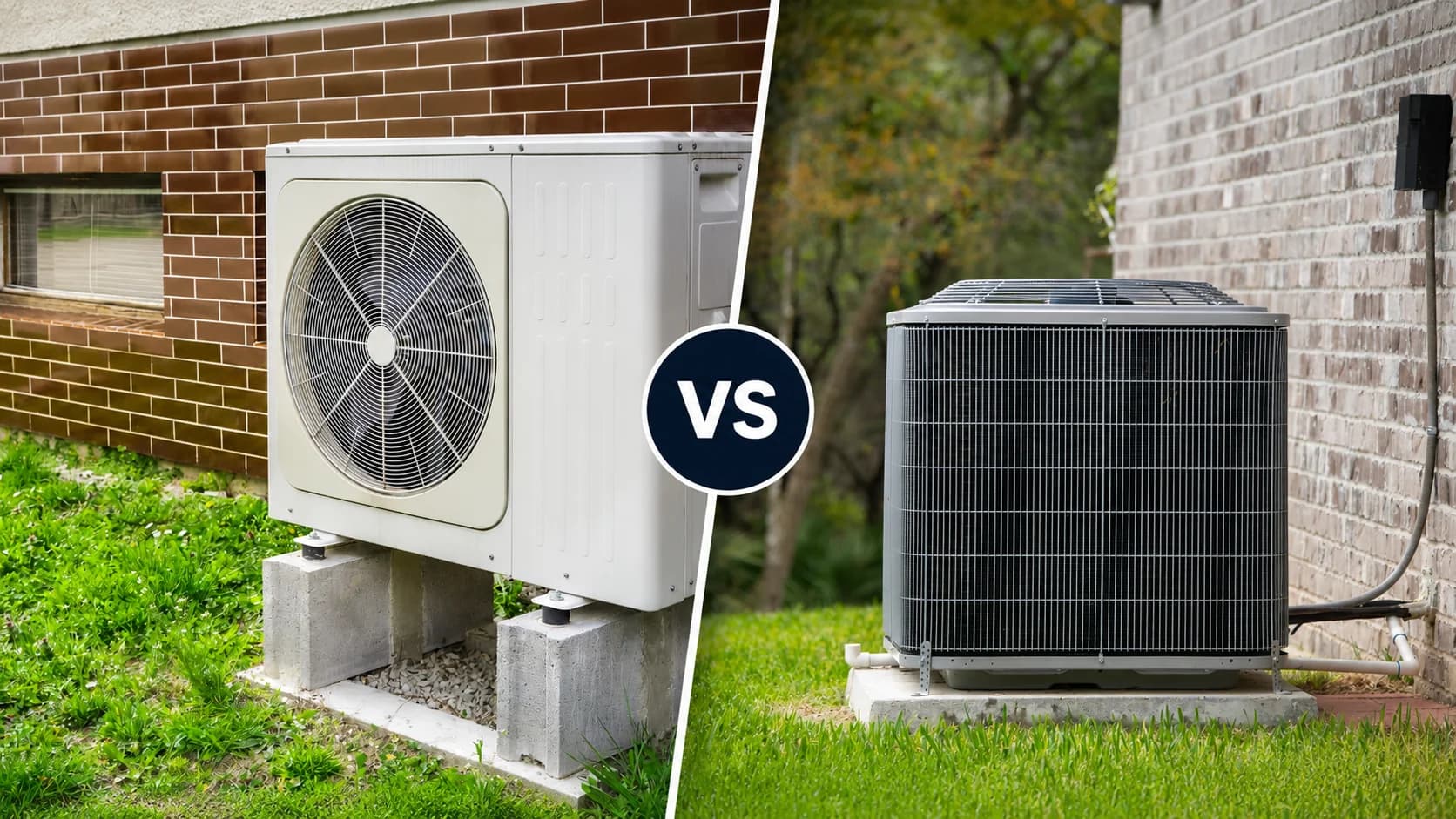
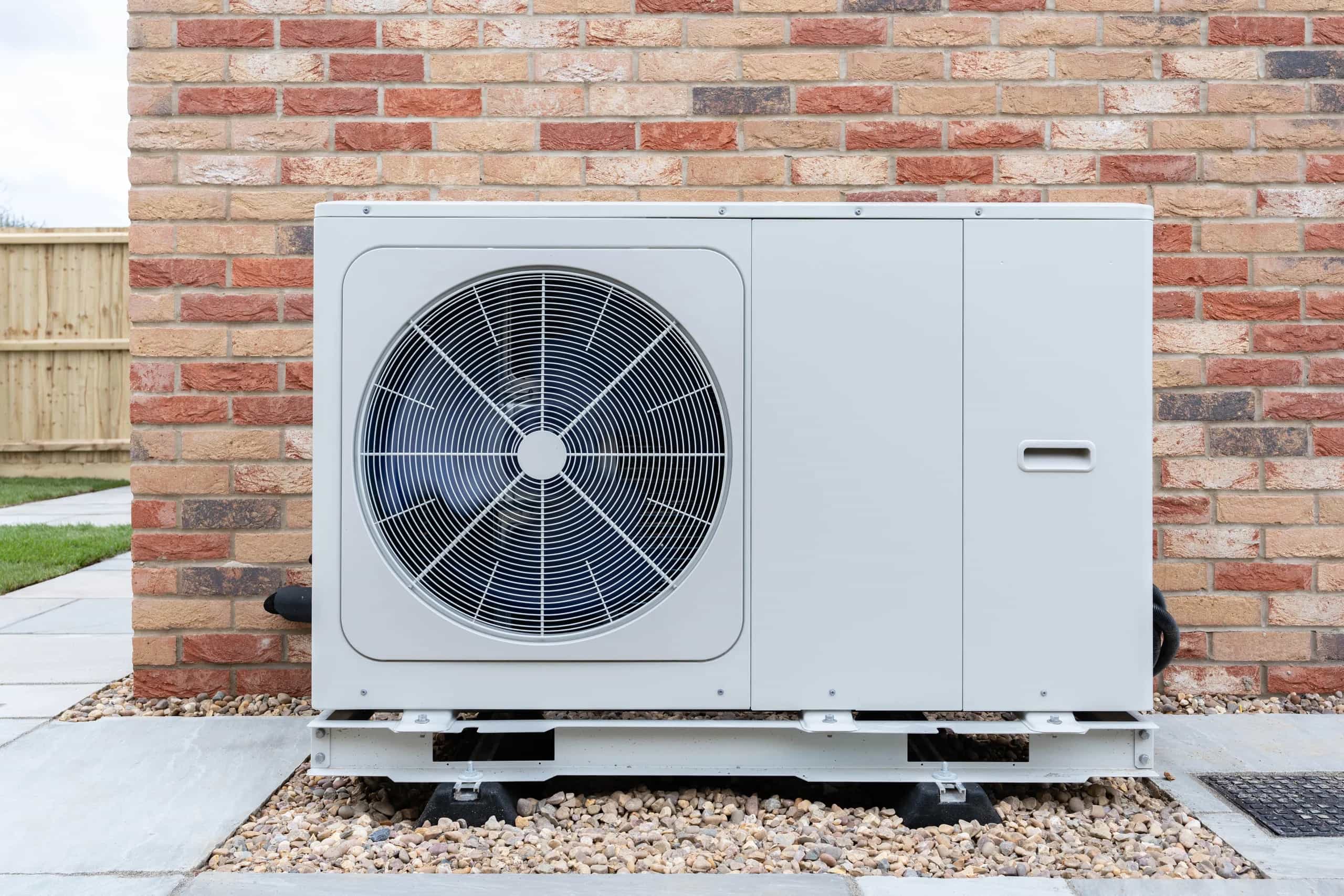
This is the spine of the whole decision, and it is the part most generic comparisons skip. The value of a heat pump depends on two regional levers: what you pay for electricity, and what fuel the heat pump would replace.
Electricity prices vary enormously across the country. Drawing on residential price data compiled by the Canada Energy Regulator, hydro-rich provinces such as Quebec, Manitoba, and British Columbia sit at the low end, while Alberta, Saskatchewan, the Maritimes, and especially the territories pay substantially more. Cheap electricity makes a heat pump's running costs easy to love. Expensive electricity narrows the gap, particularly against inexpensive natural gas.
The second lever is the fuel you would displace. A federal technical report on the cost-effectiveness of cold-climate heat pumps found the economics are generally most favourable where homes heat with expensive fuels — oil-heated Atlantic homes are the textbook case — and lower electricity prices, while savings are less certain where cheap natural gas competes against pricier power, as in parts of the Prairies. The publication is candid that this is a "generally," not a rule.
Put the two levers together and a rough regional map emerges:
Read this as a starting point, not a verdict. Your home's insulation, the system you are replacing, and your contractor's design will move you within your region. But the pattern holds: a heat pump is an easier financial call in a low-rate, oil-or-electric-heated home than in a gas-heated home where power is dear — though a strong provincial rebate can still shift a borderline case.