The guidance above applies to most Canadian homes — single-family detached houses with basements. But several common situations create unique radon considerations.
New Construction
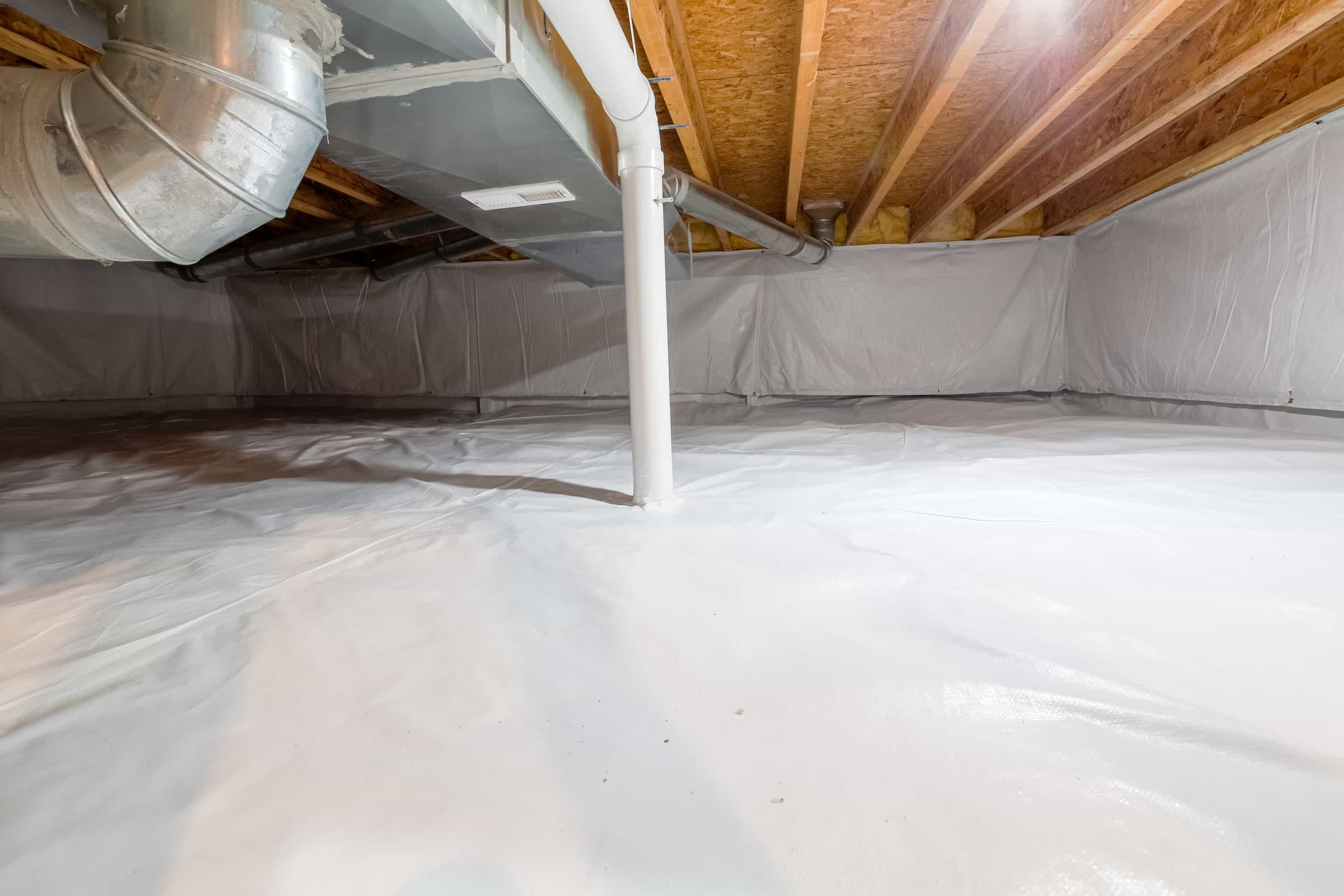
Since 2010, Canada's National Building Code (NBC) has included radon provisions requiring a radon rough-in in new residential construction. This means a sealed pipe stub is installed through the foundation slab during building, making it straightforward to add a fan and complete a mitigation system later if testing reveals elevated levels.
However, "rough-in" is not "mitigation." The pipe alone does not reduce radon — it simply makes future mitigation easier and less expensive. Every new home should still be tested after occupancy. Health Canada recommends testing the first heating season you are in the home, then retesting after two years (as the building settles and soil conditions around the new foundation stabilize).
The adoption and enforcement of these code provisions varies by province and municipality. Some jurisdictions have adopted more stringent requirements than the NBC minimum, while others have been slower to implement them.
Energy Retrofits and Airtight Homes
This is an increasingly important issue as Canada pushes toward energy efficiency through programs like the Greener Homes Grant. When you upgrade insulation, seal air leaks, install new windows, or improve your building envelope in any way, you are reducing air exchange with the outside. That is excellent for your energy bills — but it can increase indoor radon concentrations by trapping more soil gas inside.
Health Canada specifically warns that energy retrofits can affect radon levels and recommends testing both before and after any major retrofit project. If you are planning or have recently completed an energy retrofit, a radon test should be part of your post-project checklist.
Homes with HRV (heat recovery ventilator) or ERV (energy recovery ventilator) systems have a built-in advantage here — these systems provide continuous fresh air exchange while recovering heat, which helps dilute indoor radon. But they are not a substitute for proper soil gas management if your foundation is leaking radon. For more on how these ventilation systems work, see our guide on HRV & ERV Systems.
Condos and Multi-Unit Residential Buildings
If you live in a condominium or apartment above the second floor, your radon risk is generally lower — but not zero. Health Canada recommends that all homes be tested, including units in multi-storey buildings. Ground-level and below-grade units (common in Canadian condos with underground parking) are most likely to have elevated levels, but radon has been found at significant concentrations on upper floors in some buildings.
In multi-unit buildings, radon mitigation is a building-wide decision, not an individual unit decision. If your test shows elevated levels, your condo board or property management company needs to be involved in the response. This can add complexity — but the testing itself is no different.
Real Estate Transactions
There is currently no legal requirement in any Canadian province to test for or disclose radon levels during a home sale. But this is changing in practice, if not yet in law. Buyer awareness is increasing, and radon testing is becoming a more common component of the due diligence process — particularly in known high-radon areas.
If you are selling: having a recent radon test result available can be a selling point. If the result is below the guideline, it removes a concern. If it is above the guideline and you have mitigated, the mitigation system itself adds value. Disclosure proactively is almost always better than having a buyer discover elevated levels during their own testing.
If you are buying: consider making radon testing part of your conditions of purchase, or plan to test immediately after closing. A long-term test started in your first heating season gives you the data you need to make an informed mitigation decision before the issue becomes entrenched.
For a detailed breakdown of how radon intersects with real estate in Canada — including what to ask for, how to negotiate, and how testing timelines fit with closing dates — see our guide: Radon Testing for Home Sales in Canada.
Well Water
Radon can dissolve in groundwater and enter your home when you run the tap, shower, or operate a dishwasher. For homes on municipal water, this is generally not a concern — treatment and distribution dilute radon to negligible levels. But homes on private wells, particularly deep wells in areas with uranium-bearing bedrock, can have measurable radon in their water supply.
The primary risk from waterborne radon is not ingestion — it is inhalation. When radon-rich water is agitated (running a shower, filling a sink), radon escapes into the air and contributes to indoor airborne concentrations. Health Canada notes that waterborne radon typically contributes less to indoor levels than soil gas infiltration, but it can be a secondary source worth investigating if your air test comes back elevated and your home is on a private well.
If you are on well water and concerned, testing your water separately is the first step. For more on what well water testing covers — including contaminants beyond radon — see our guide: Well Water Testing in Canada.