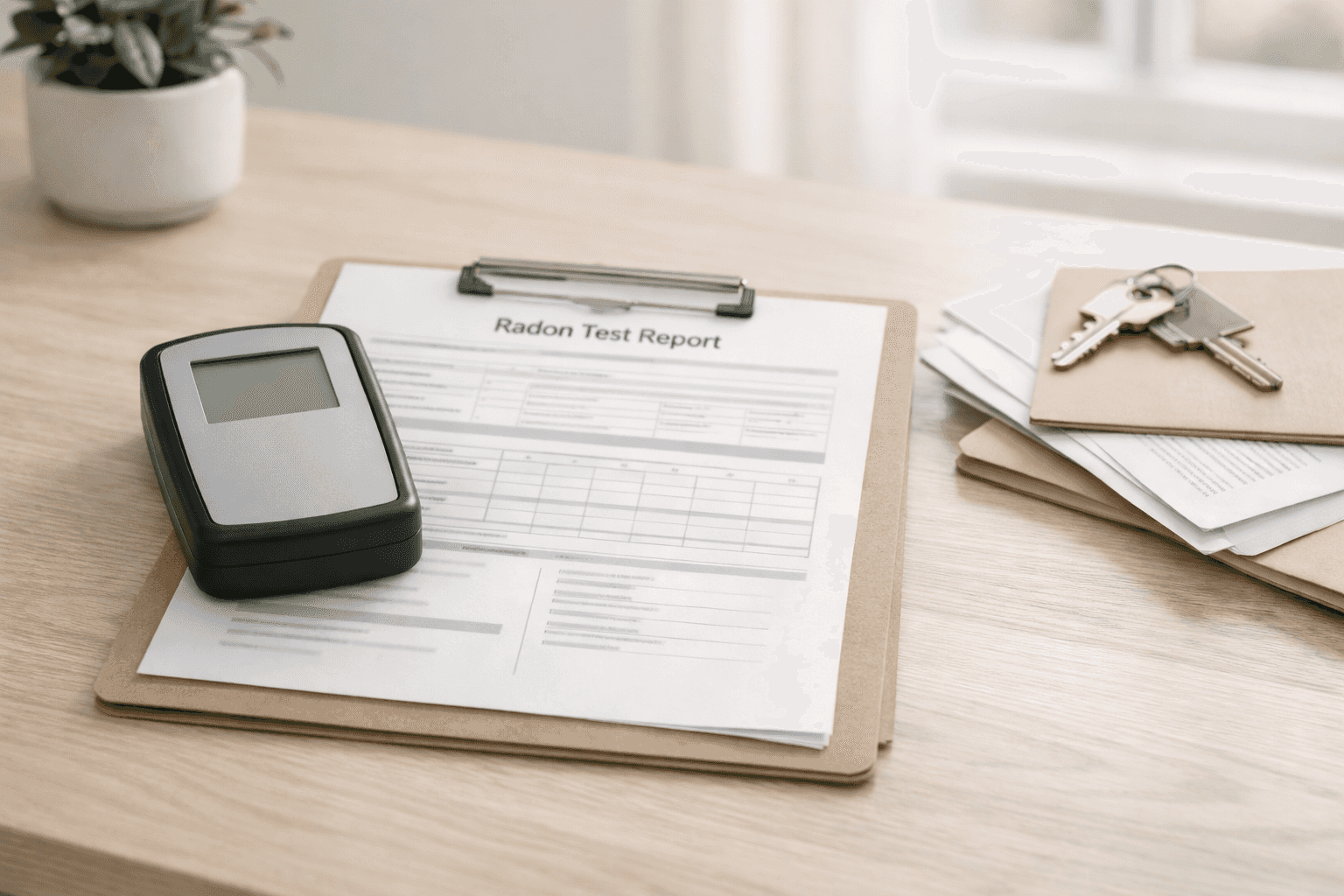
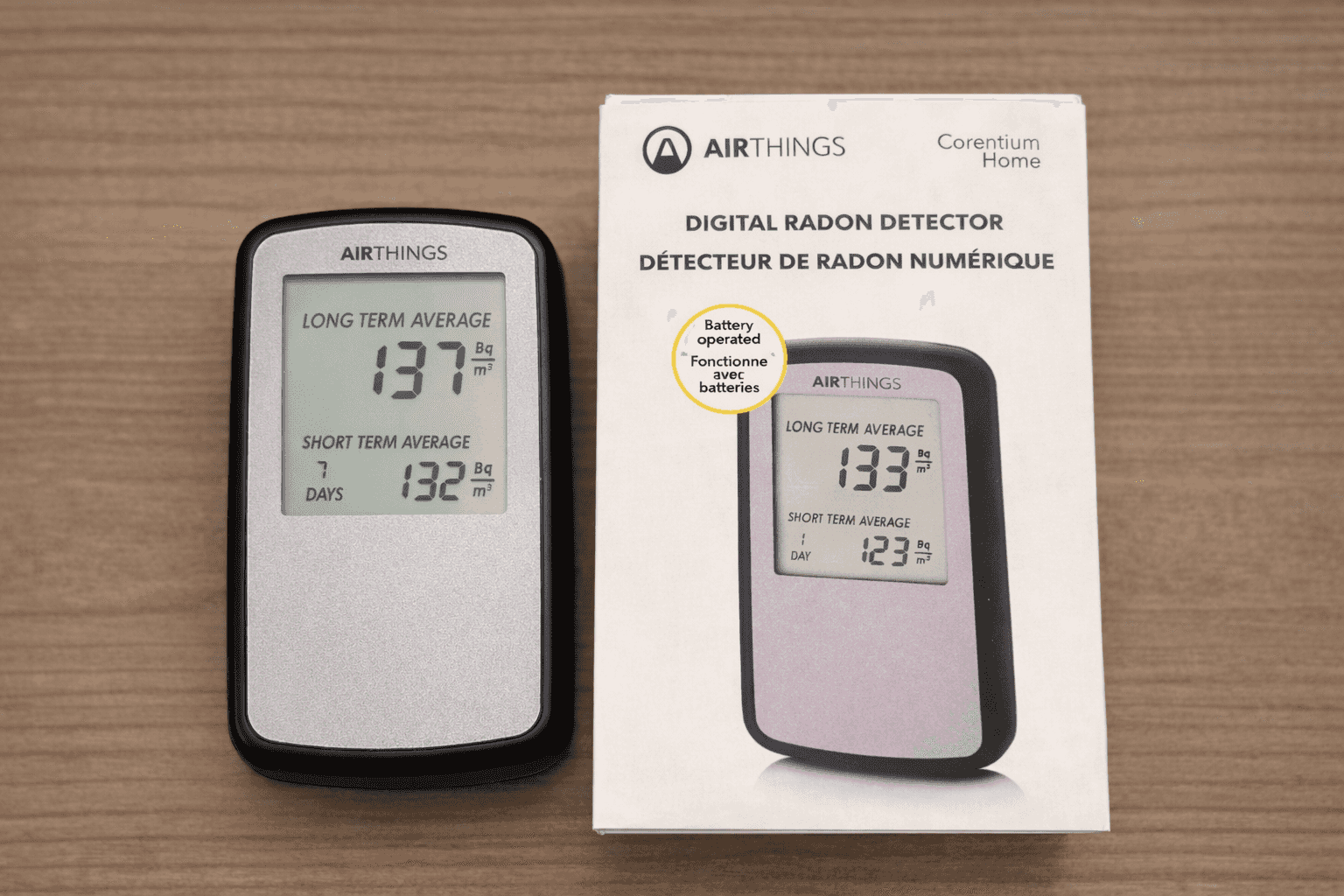
A radon mitigation system is supposed to reduce risk quietly in the background—yet the only way to know it’s doing that is to measure what happens after it’s turned on. In practice, post-mitigation testing is less about “getting a passing grade” and more about building confidence that the system is performing under real Canadian conditions, including winter stack effect and closed-house living.
In Canada, radon follow-up testing is anchored to a clear benchmark: Health Canada’s guide for radon measurements in residential dwellings sets a national guideline of 200 Bq/m³ for homes and also emphasizes reducing levels as low as reasonably achievable, which changes how you think about “success” when results are close to the line.
This guide walks you through a practical, homeowner-friendly workflow that mirrors how professionals verify performance: first confirm the system is operating, then confirm your annual-average exposure is actually lower. You’ll also learn how to place tests properly, how to interpret results without overreacting to fluctuations, and what to check if a result comes back higher than expected.
If you’ve just had mitigation installed, you’re in the ideal window to do this right. Good follow-up testing isn’t complicated—but it is precise. A small placement mistake or the wrong testing window can turn a “clear answer” into a confusing data point.