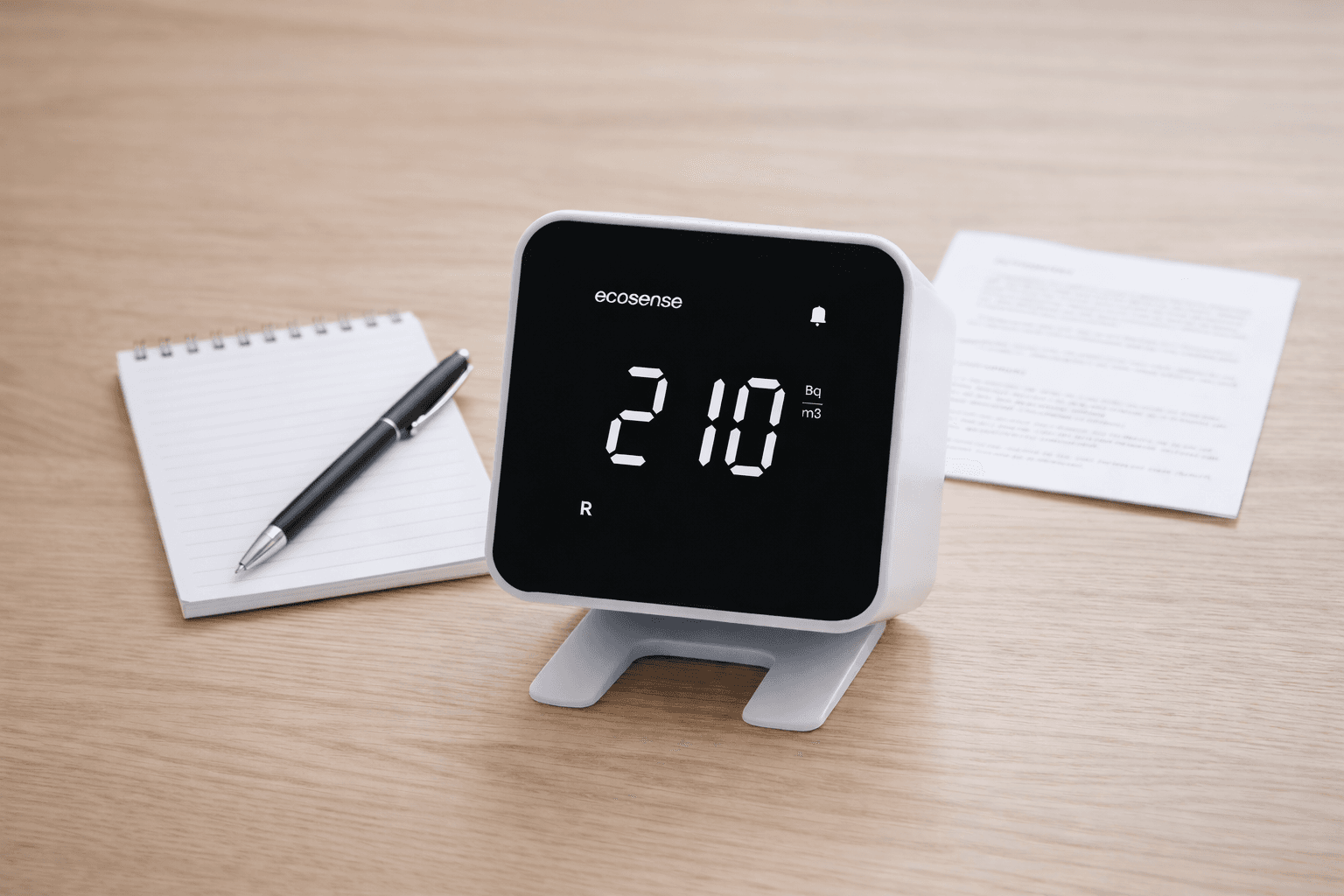
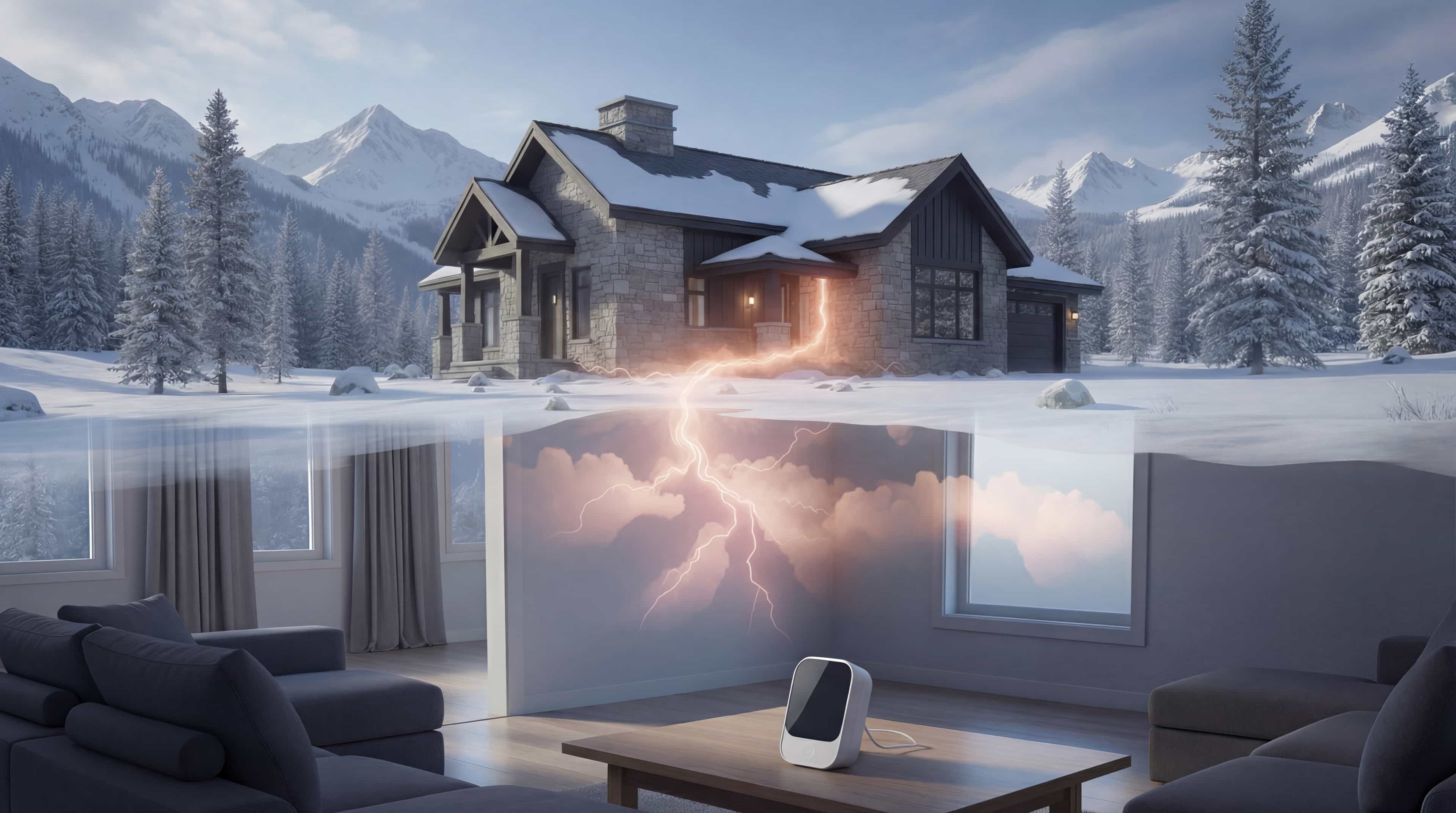
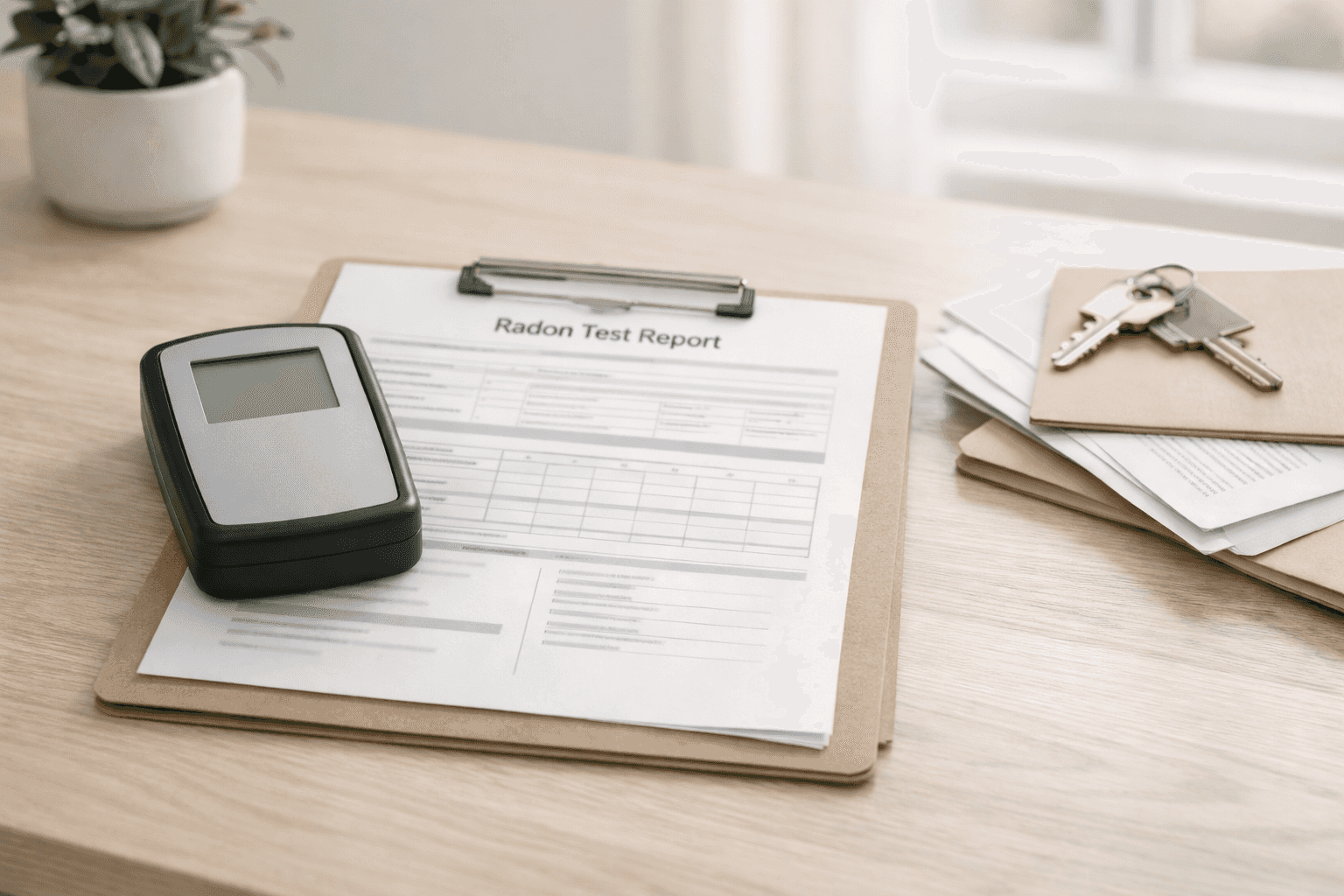
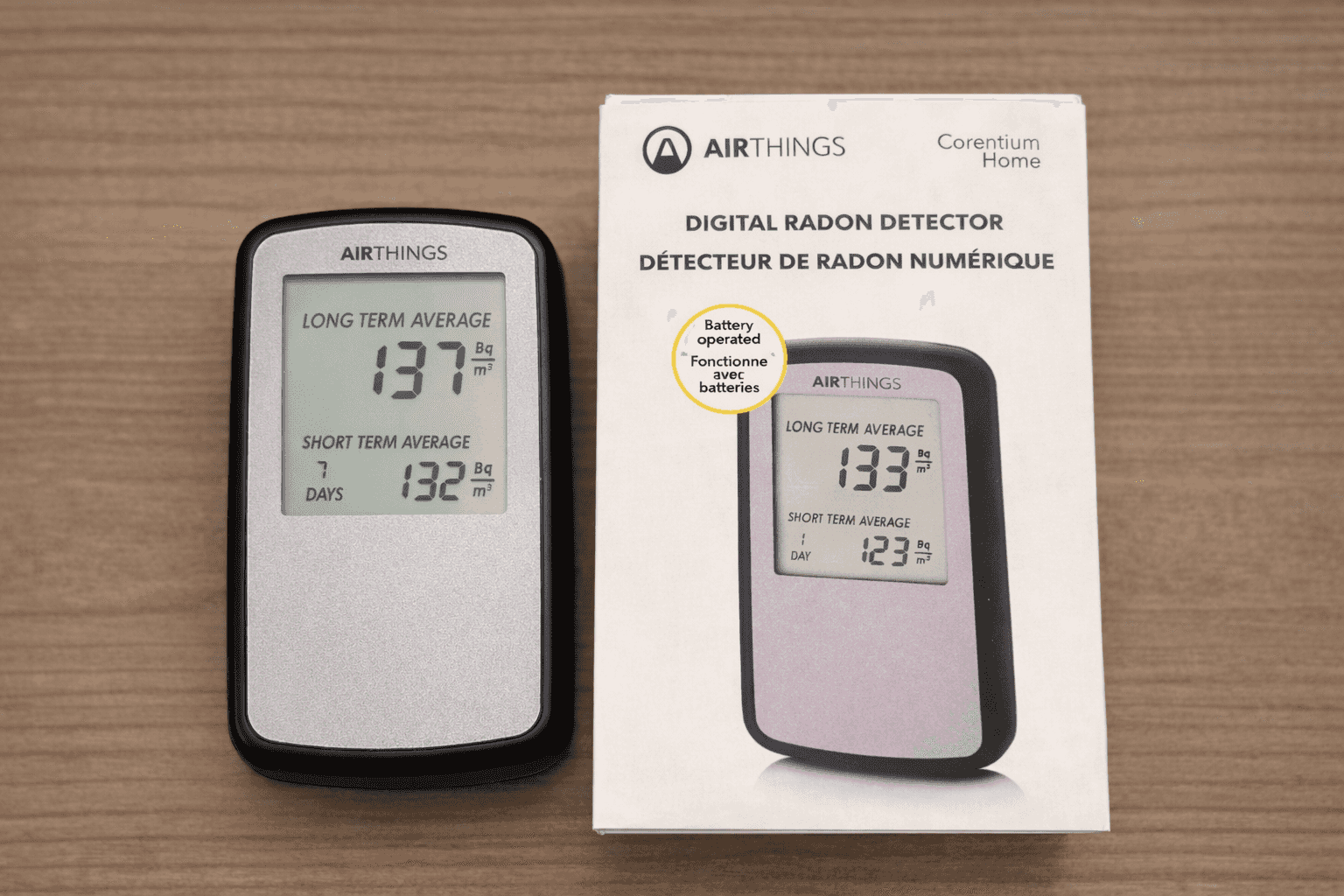
Radon results are weirdly stressful for such a simple output: you get one number, usually in Bq/m³, and it’s not obvious whether you should relax, re-test, or start calling contractors. The problem is that radon isn’t like a leaky faucet you can see—it’s closer to a pressure and airflow issue your house “runs” every day, especially in winter.
What makes this harder is that radon behaves like a moving target. Levels can shift by hour, by season, and by how you use your home. A basement that’s “just storage” today can become a home office next month, and suddenly your real exposure changes even if the geology under your house didn’t.
Health risk is the reason this topic matters. In Canada, radon exposure is linked to lung cancer outcomes in a way many homeowners don’t realize, and the stakes are especially important for never-smokers, as described in Health Canada’s radon action guidance for municipalities for community-level public health planning.
This guide is designed to do one thing well: give you a clear interpretation framework for low, borderline, and high readings, plus step-by-step next actions that match Canadian standards and real homeowner constraints (time, budget, disruption, and uncertainty).