March Is When Advice Becomes A Choice
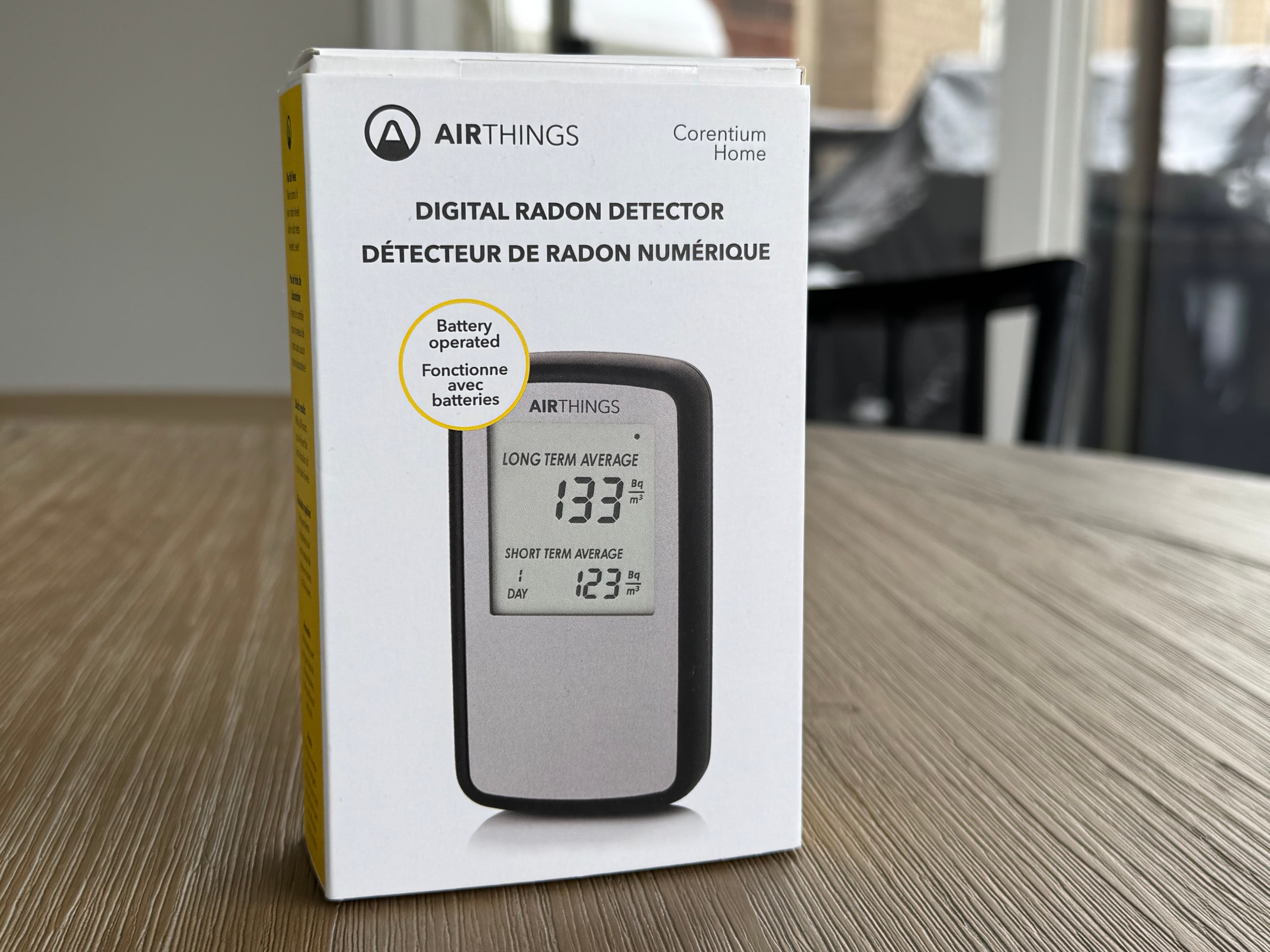
For most readers, the practical takeaway is simple. If you have not tested yet, a new long-term detector started now is unlikely to stay fully inside the cold-season conditions Health Canada prefers. That leaves two sensible options: use a short-term screening test while the house is still mostly closed, or wait until autumn and run a proper long-term test from the start.
As Health Canada’s Take Action on Radon page notes, every home in Canada has some radon, and testing is the only way to know your home’s level. That is part of why March deserves attention even from households outside the regions most often discussed as higher-radon areas, such as parts of the Prairies, Ontario, and New Brunswick. Radon is not limited to one province, one type of foundation, or one age of home.
The bigger point is not to panic. It is to avoid drifting into another season without a plan. If you still want a reading before homes shift into open-window spring patterns, the remaining window is short. If you have already missed the best timing for a long-term test, the smart move is to put a real testing date on the calendar for October rather than assuming the issue can wait indefinitely.
That is why March is the last practical testing month. The season is not ending because the risk is gone. It is ending because the conditions that make radon testing most useful are about to change.